DAY 1
CONTENTS
Starting from Osaka and Heading First to Fukuchiyama, Kyoto
The route from central Osaka to Fukuchiyama runs via Osaka City Road Route Kujo-Umeda onto Naniwasuji, joining the Hanshin Expressway Route 11 Ikeda Line, then continuing onto the Chugoku Expressway at the Ikeda exit before merging onto the Maizuru-Wakasa Expressway at Yoshikawa Junction. From there, exit at Fukuchiyama IC and follow National Route 9 toward the Fukuchiyama Station Shomen-dori shopping street. The journey takes roughly 1 hour and 29 minutes (about 106km) and, while it includes toll roads, makes for a smooth and highly recommended route.
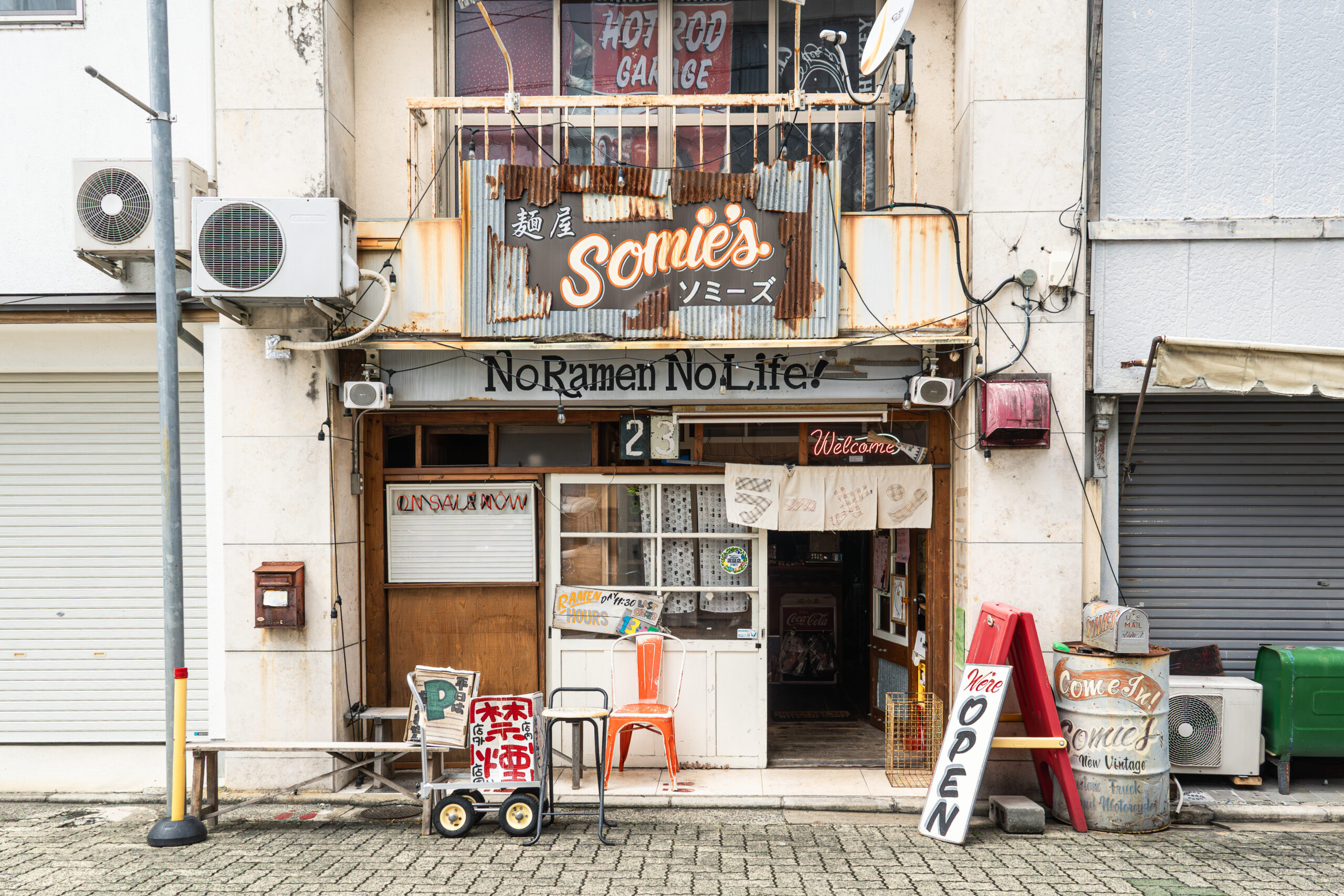
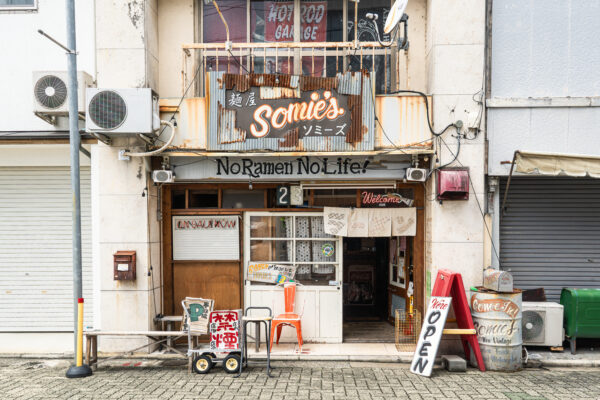
Menya Somis
Once you arrive in Fukuchiyama, the first stop worth making is “Menya Somis.” This beloved ramen shop, cherished by both locals and visitors, is known especially for its broth made without chemical seasonings or additives, paired with house-made noodles.
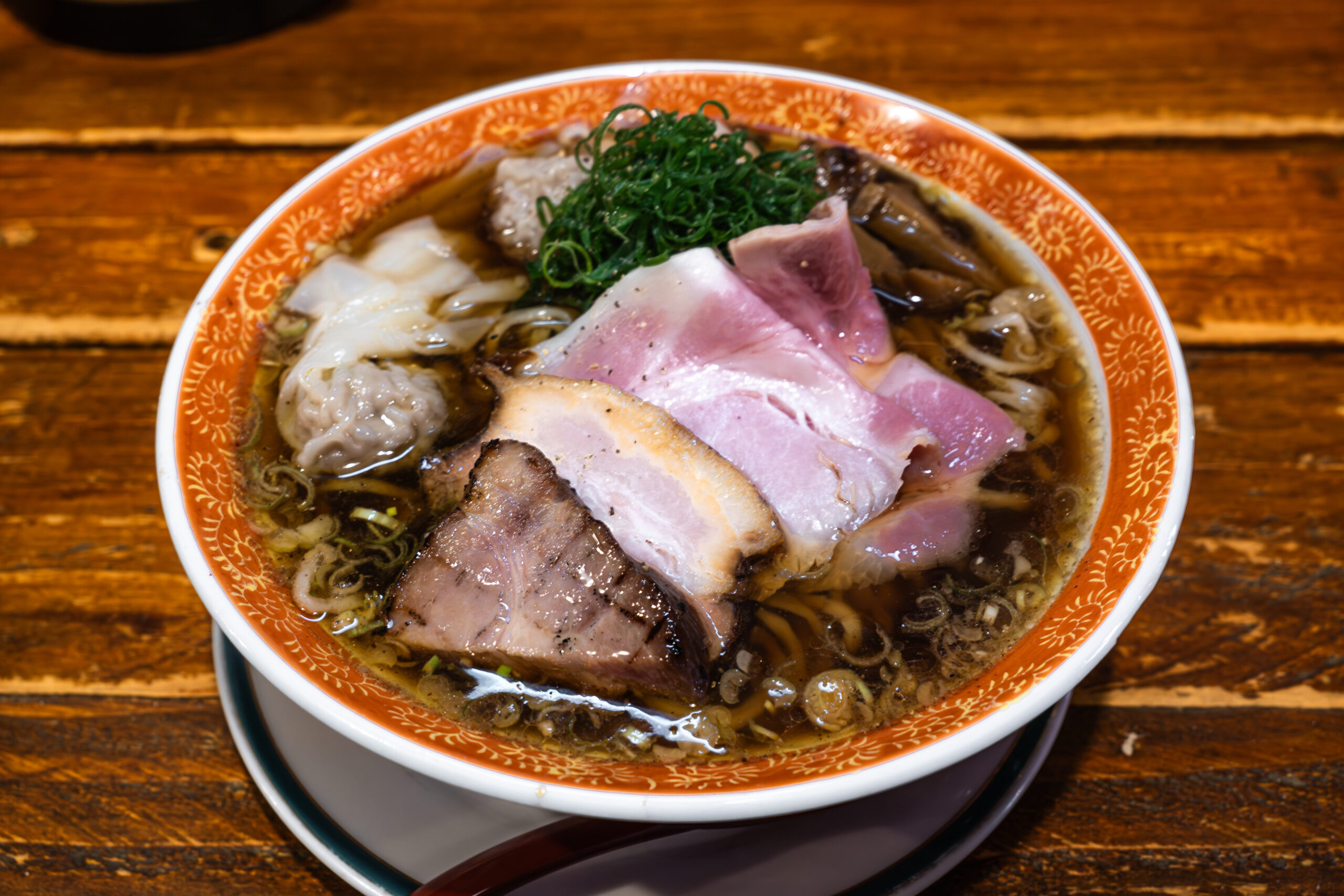
“THE★Shoyu Wonton” & “Extra Chashu”
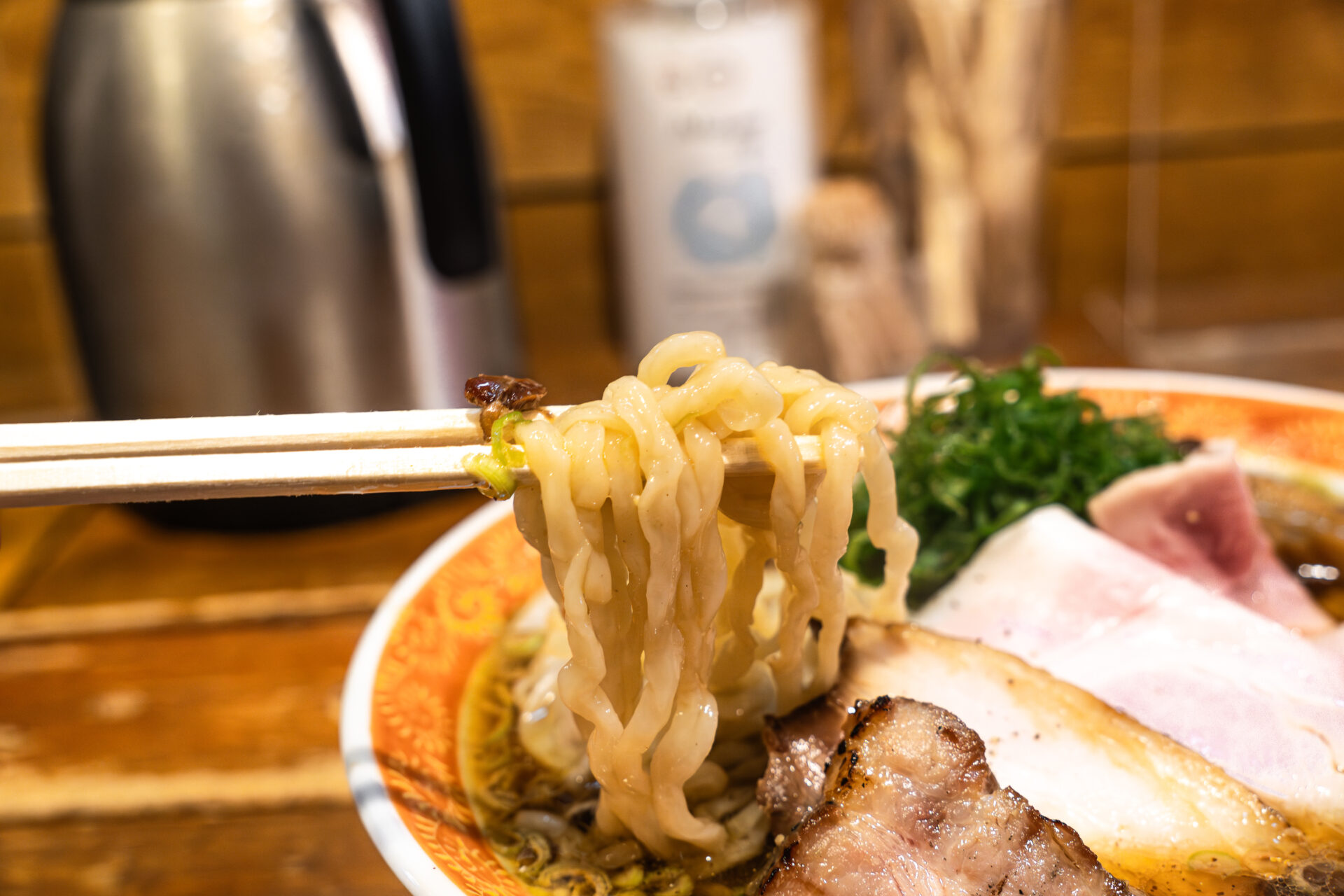
Silky, smooth noodles that beautifully carry the shoyu broth, rich with the umami of niboshi (dried sardines) and chicken.
A delicate broth paired with silky, tender wontons. For an even richer bowl, I’d recommend adding the extra chashu.
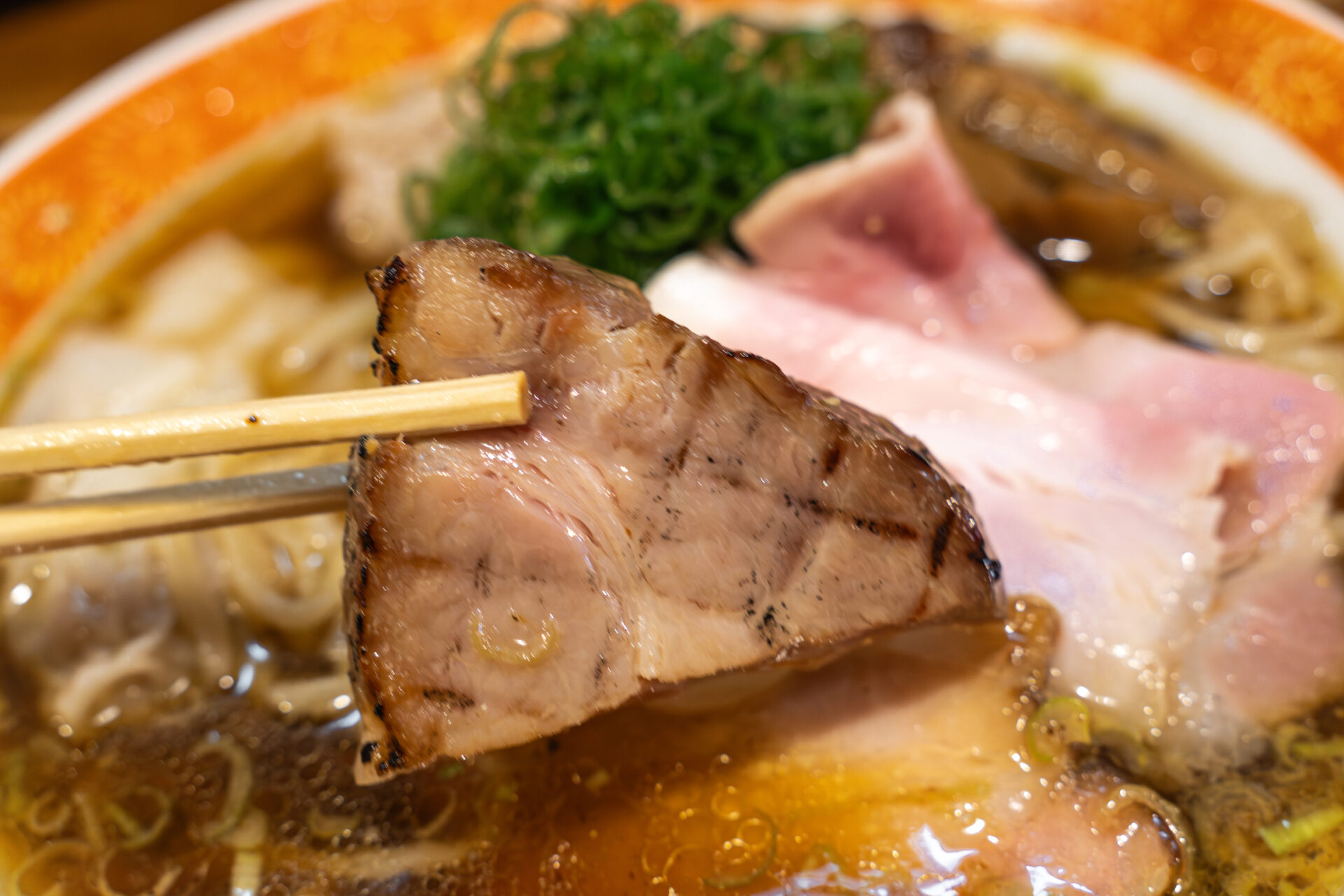
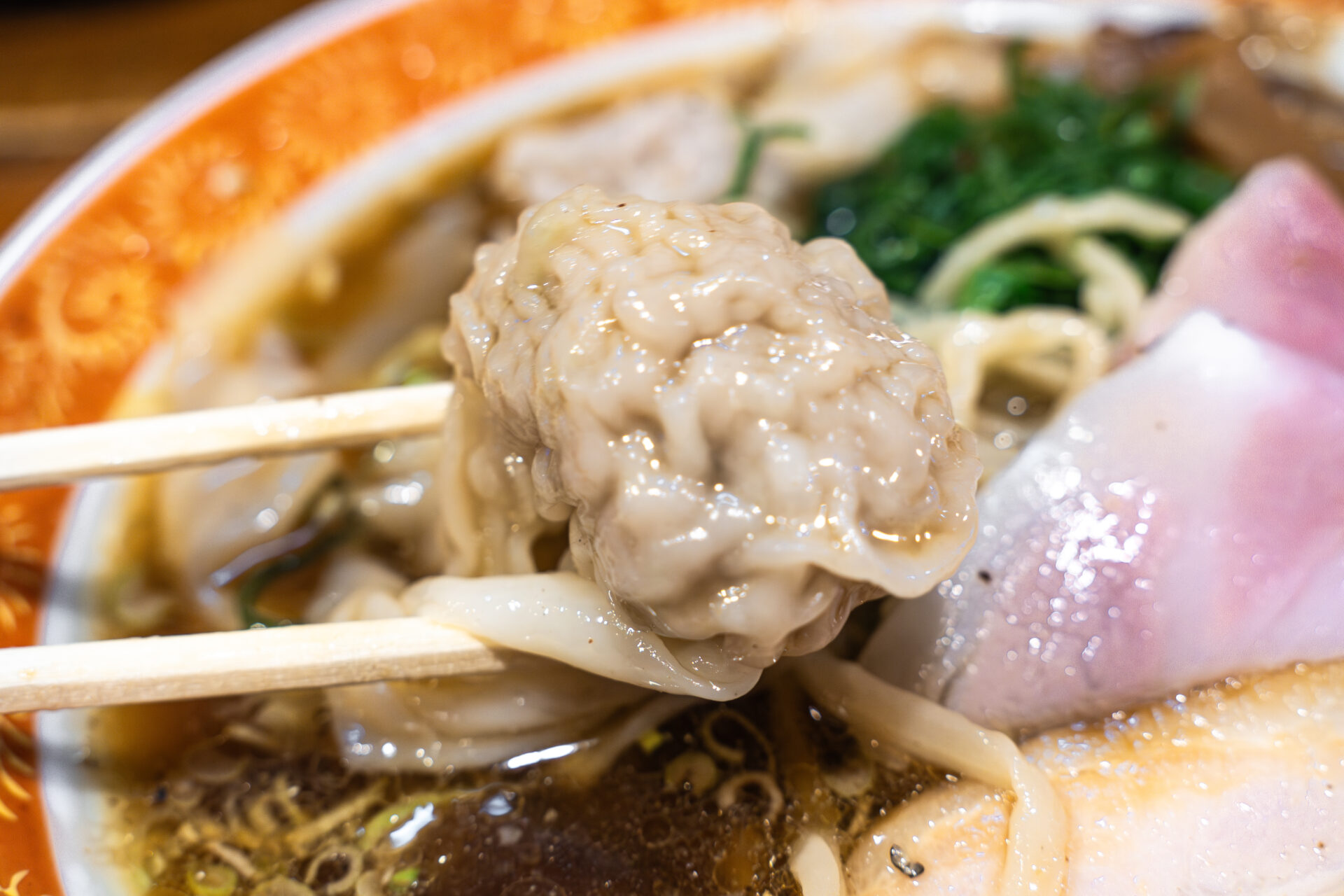
If you’re eating ramen in Fukuchiyama, Menya Somis is an absolute must. A meticulously crafted bowl built on additive-free broth, house-made noodles, and a deep respect for quality ingredients.
- ADDRESS
京都府福知山市駅前町24
- OPEN
月・金 11:30 - 13:45
土・日・祝日 10:45 - 14:00
■ 定休日
火・水・木 ※不定休の場合あり。必ずブログで確認してください。
- AWARD
食べログ ラーメン WEST 百名店 2024,





Yogashi Mountain
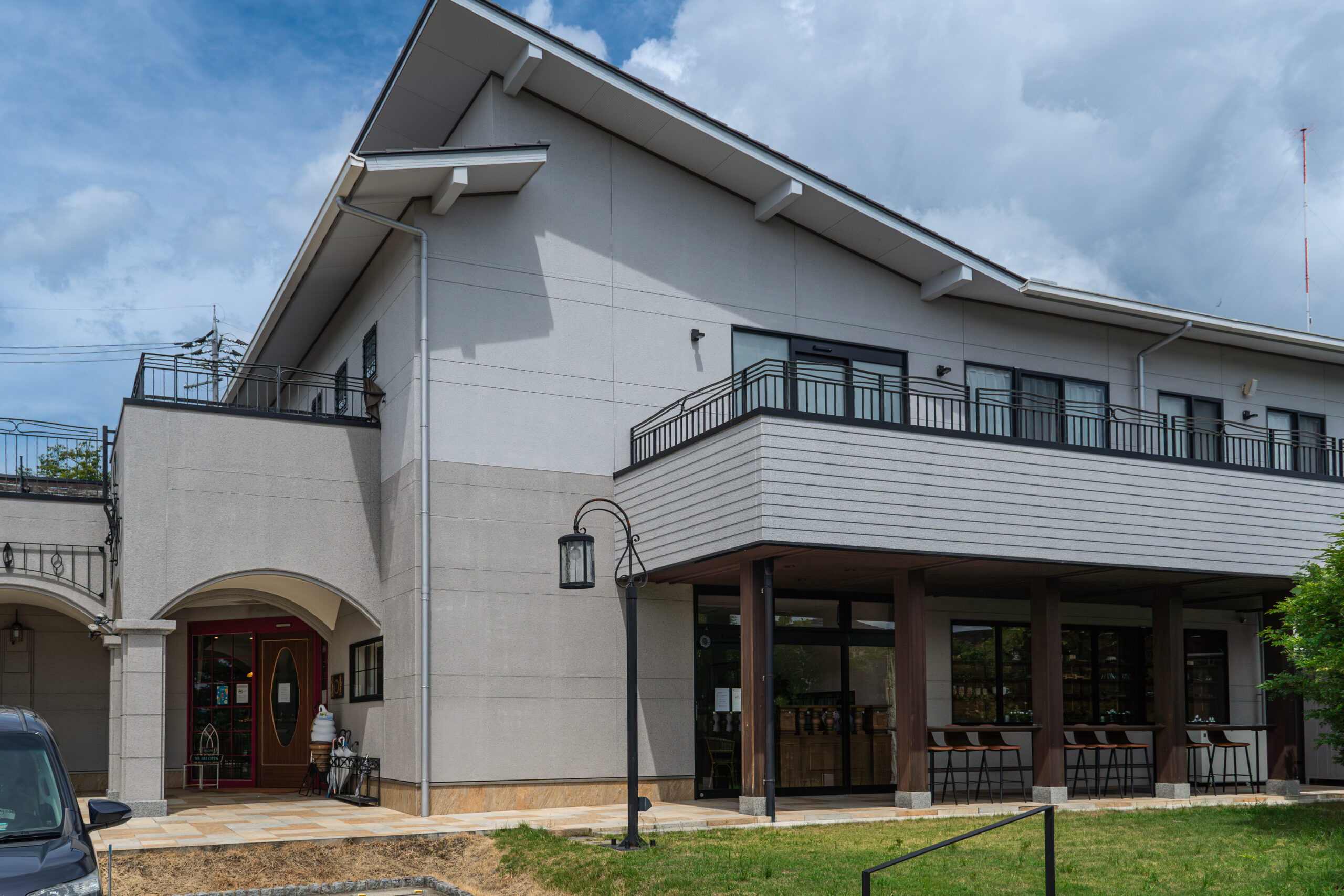
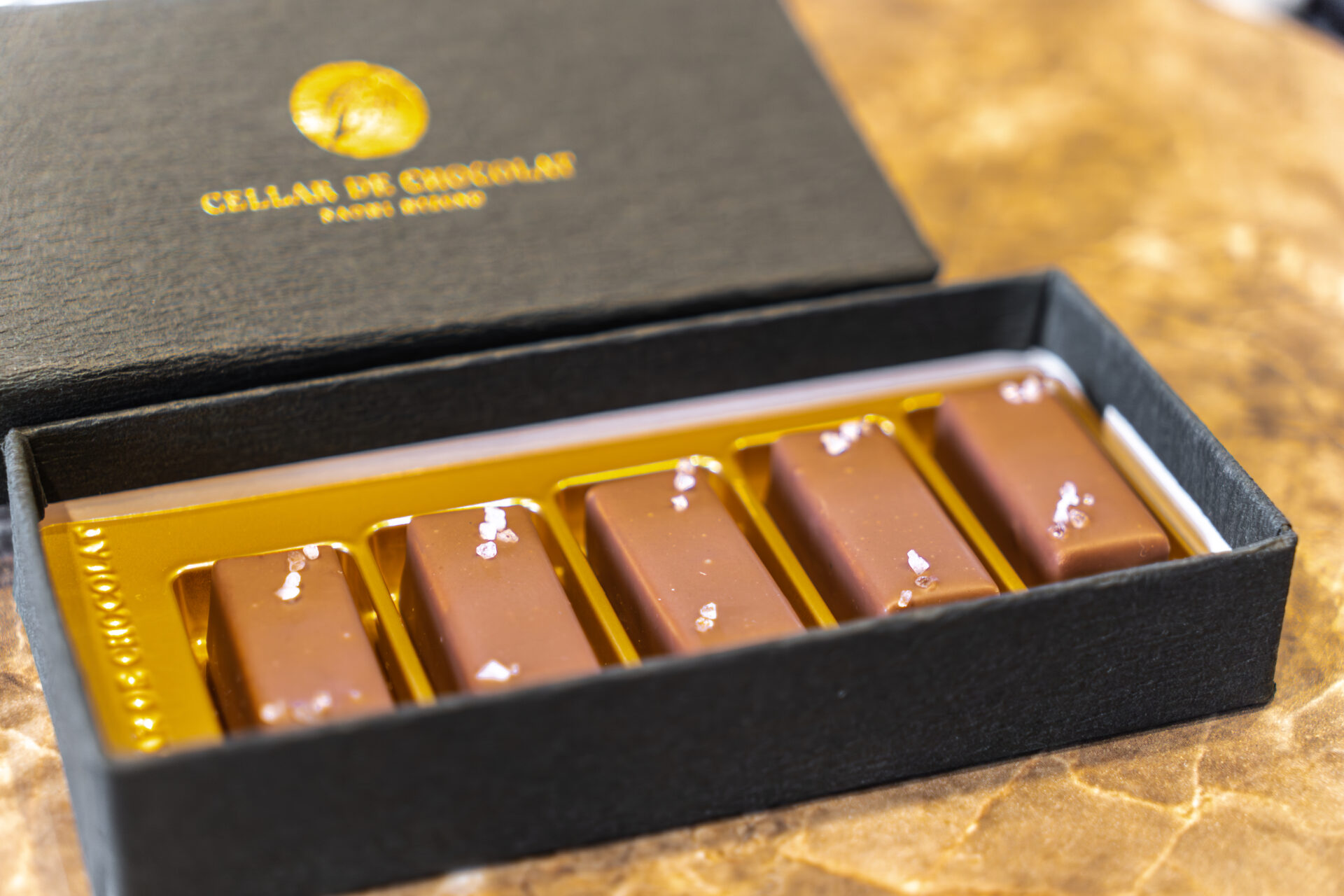
Also located in Fukuchiyama, Kyoto, “Yogashi Mountain” is a celebrated confectionery shop helmed by Chef Naomi Mizuno, winner of the World Chocolate Masters. Of particular note is his “Apricot and Salt” chocolate, an adaptation of his award-winning creation, where the balance of sweetness and salinity delivers remarkable depth. Yogashi Mountain is about a 10-minute drive from Menya Somis.
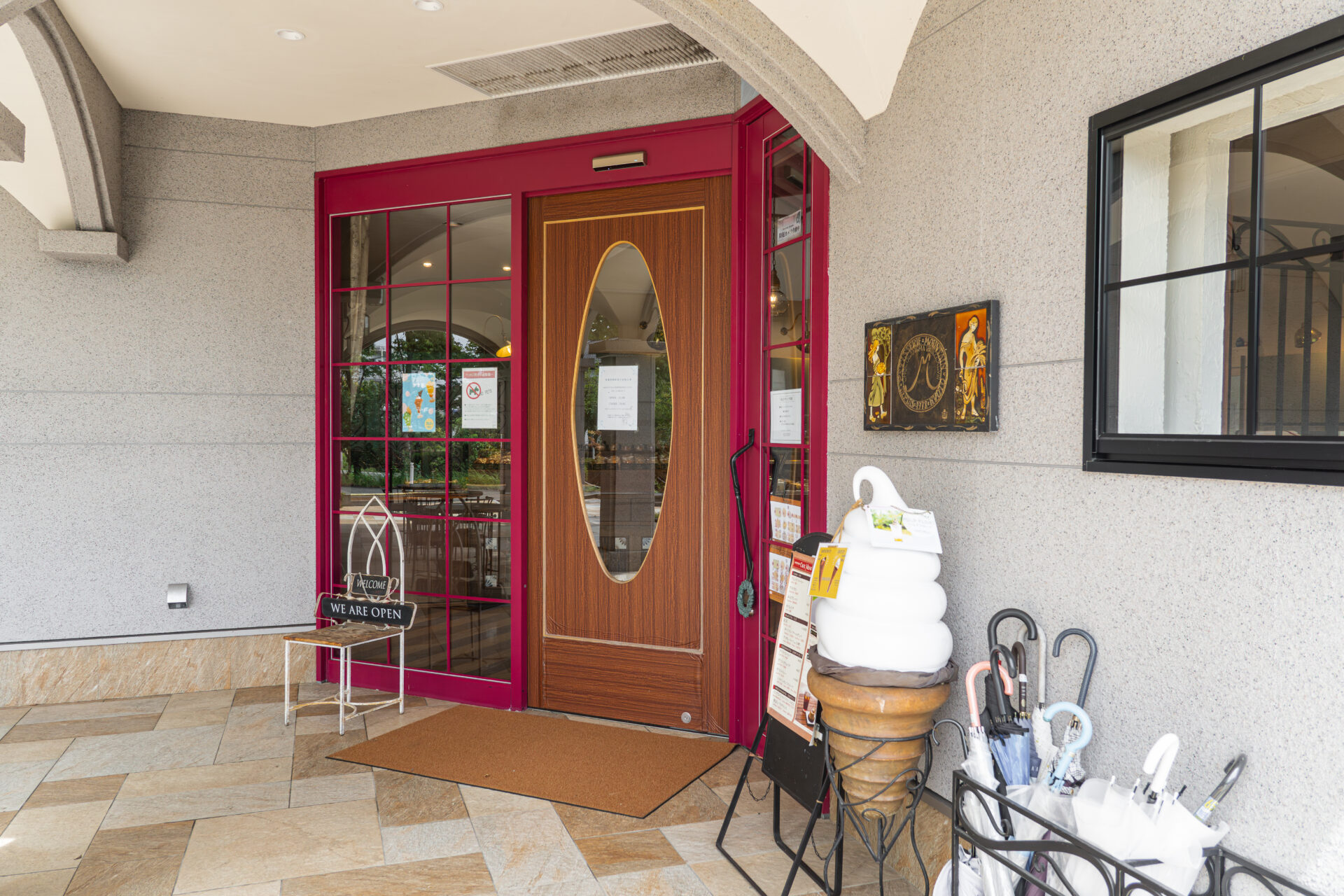
The display case, lined with beautifully arranged chocolates and macarons, has an almost cave-like ambience — a space that draws you fully into the world of chocolate.
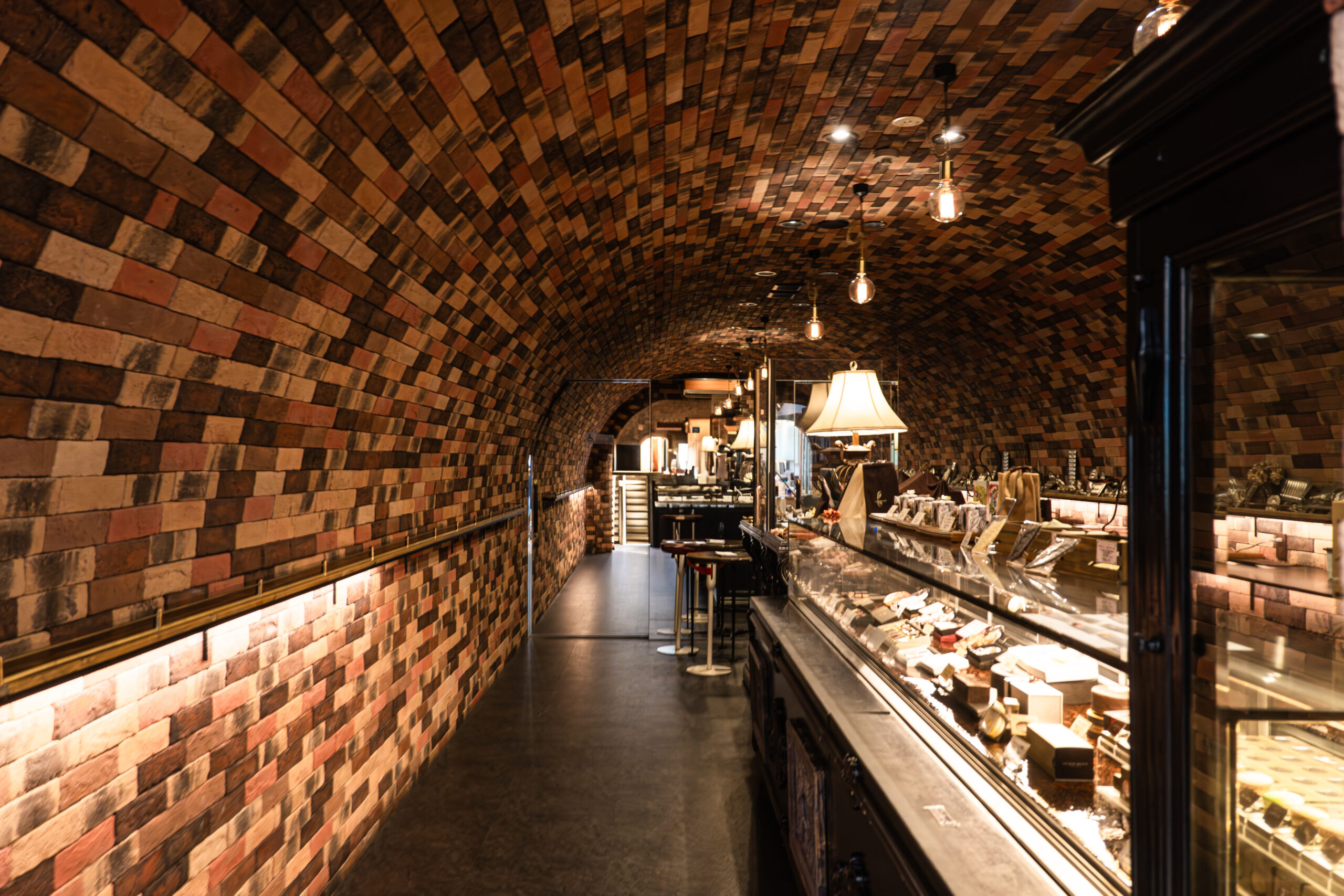
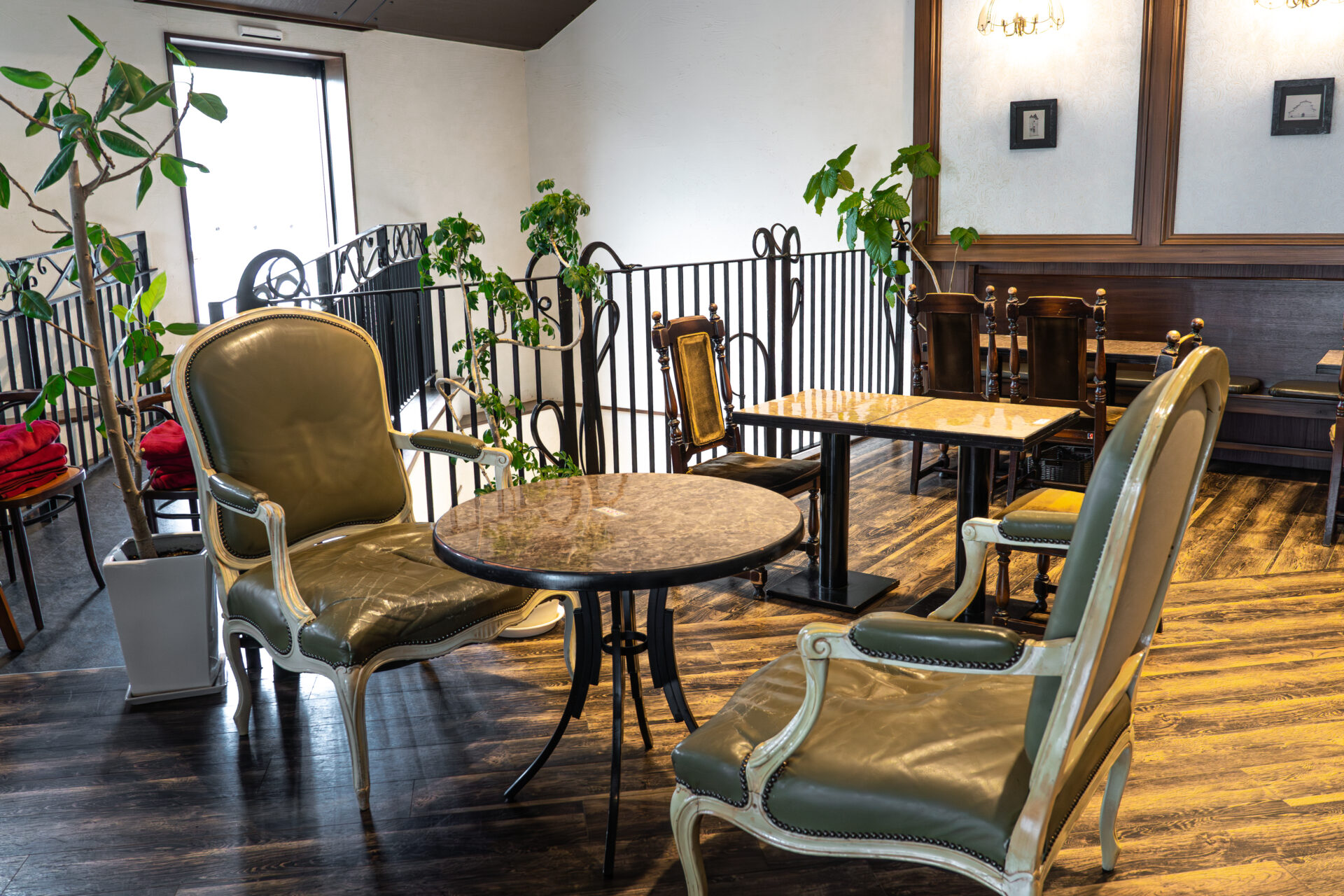
The second floor houses an eat-in space where guests can enjoy freshly made cakes on-site, paired with carefully selected coffee or tea — a luxurious way to savor world-class sweets.
“Apricot and Salt,” the signature creation of Yogashi Mountain
Milk chocolate is infused with the bright fragrance of apricot and paired with carefully selected Dead Sea salt, which draws out the fruit’s natural character even further.
The chocolate strikes an exquisite balance between the sweetness of the milk chocolate, the tartness of apricot, and a touch of salinity, coming together in perfect harmony on the palate. Each bite reveals a slightly different nuance of flavor, making it a treat that never grows tiring.
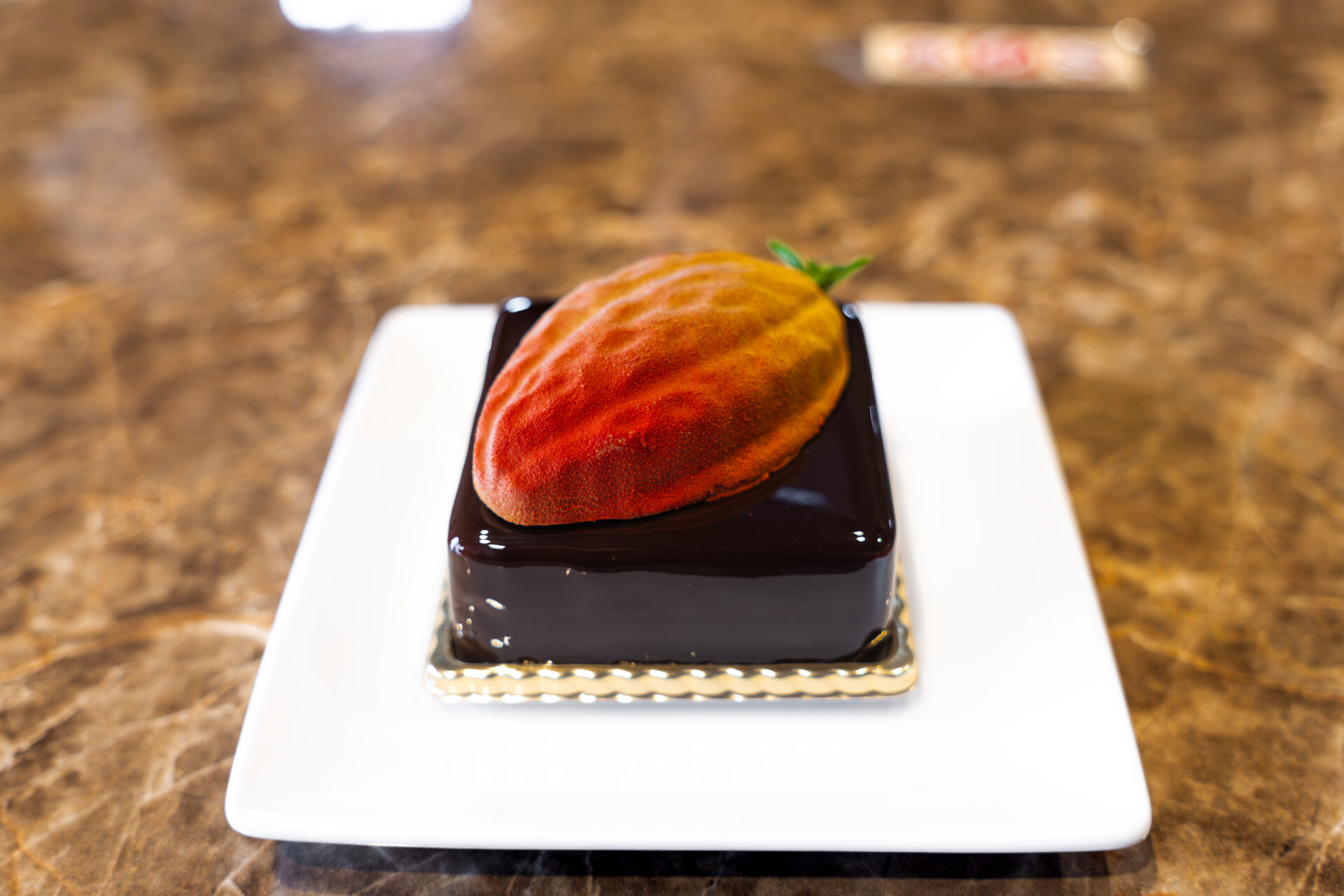
The shop also offers a variety of cacao-themed cakes. Particularly noteworthy is “Cacao,” a cake shaped after the cacao pod itself. Coated in a glossy chocolate glaze and topped with a cacao pod-shaped caramel mousse, the cake reveals layers of bitter chocolate mousse and orange mousse within — a beautifully balanced pairing of dark chocolate bitterness and bright citrus.
The “Caramel Poire,” where the deep flavor of caramel, the richness of bitter chocolate, and the fruity sweetness of pear come together in refined harmony.
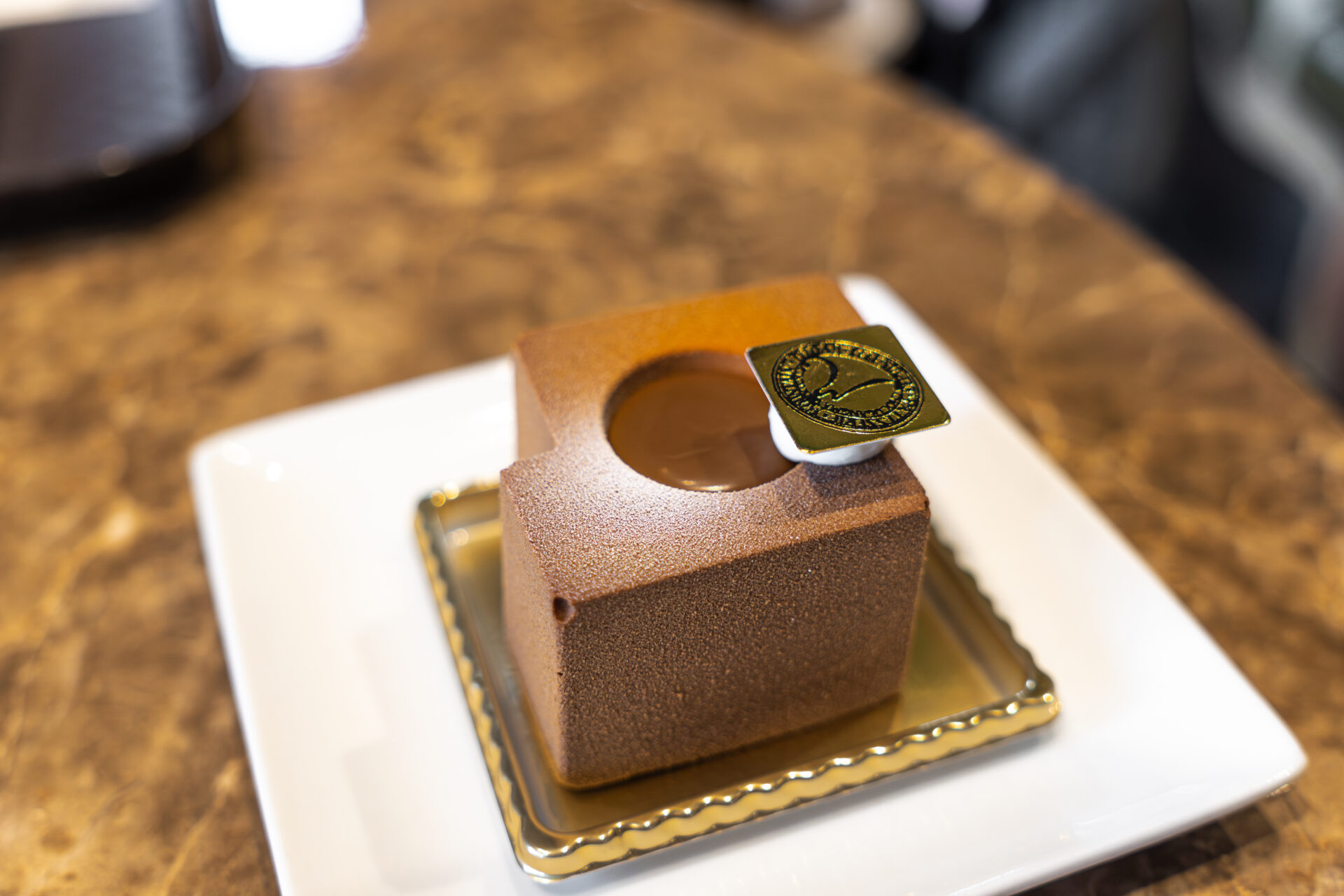
Every sweet at Yogashi Mountain is executed with remarkable precision — a shop where you can truly experience world-class chocolate craftsmanship.

- ADDRESS
京都府福知山市字猪崎小字山本322
- OPEN
月・火・木・金・土・日
11:00 - 18:00
水 カフェL.O.17:30
定休日
不定休(SNSにて告知)

Ayabe Industrial Park Exchange Plaza
Tadao Ando Architecture
Next, we head from Fukuchiyama to the neighboring city of Ayabe.
The Ayabe Industrial Park Exchange Plaza is a striking work of modern exposed-concrete architecture designed by renowned architect Tadao Ando, and is also known as a filming location for the movie “Parasyte.”
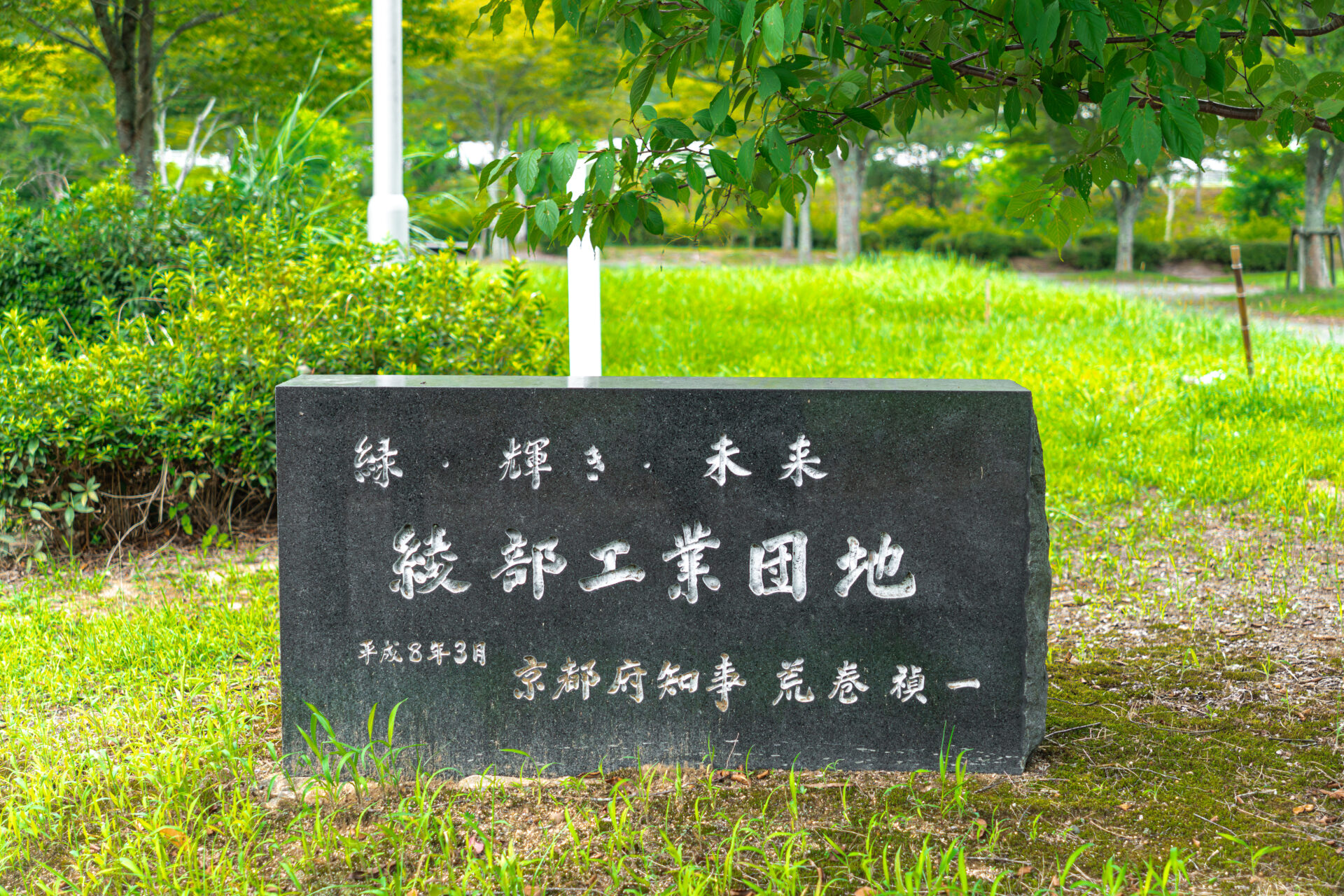
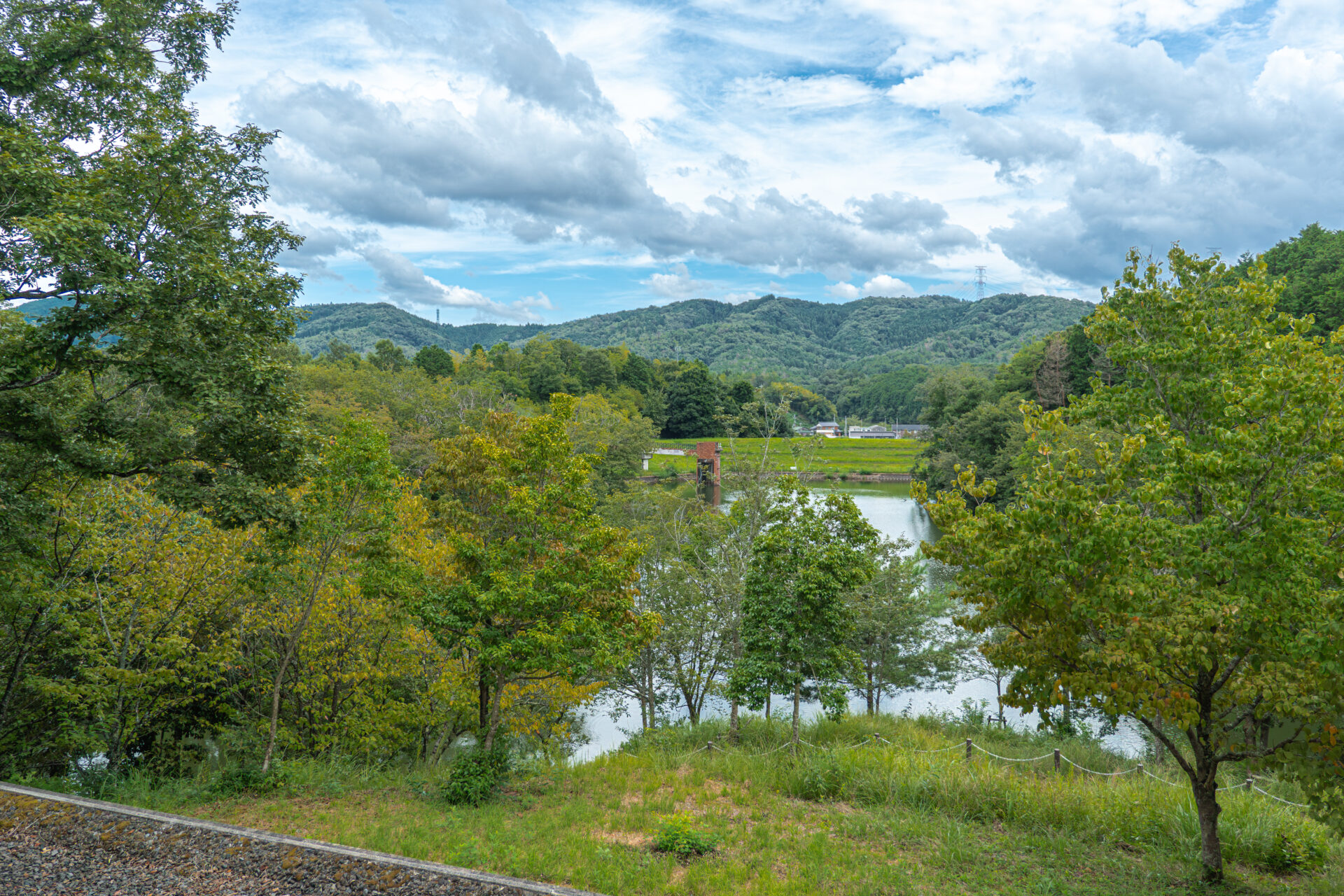
The site became especially well known for the beauty of the building reflected on the surface of its pond. Today, however, the pond is no longer maintained with water, giving the space a different impression from the reflective landscape it was once famous for.
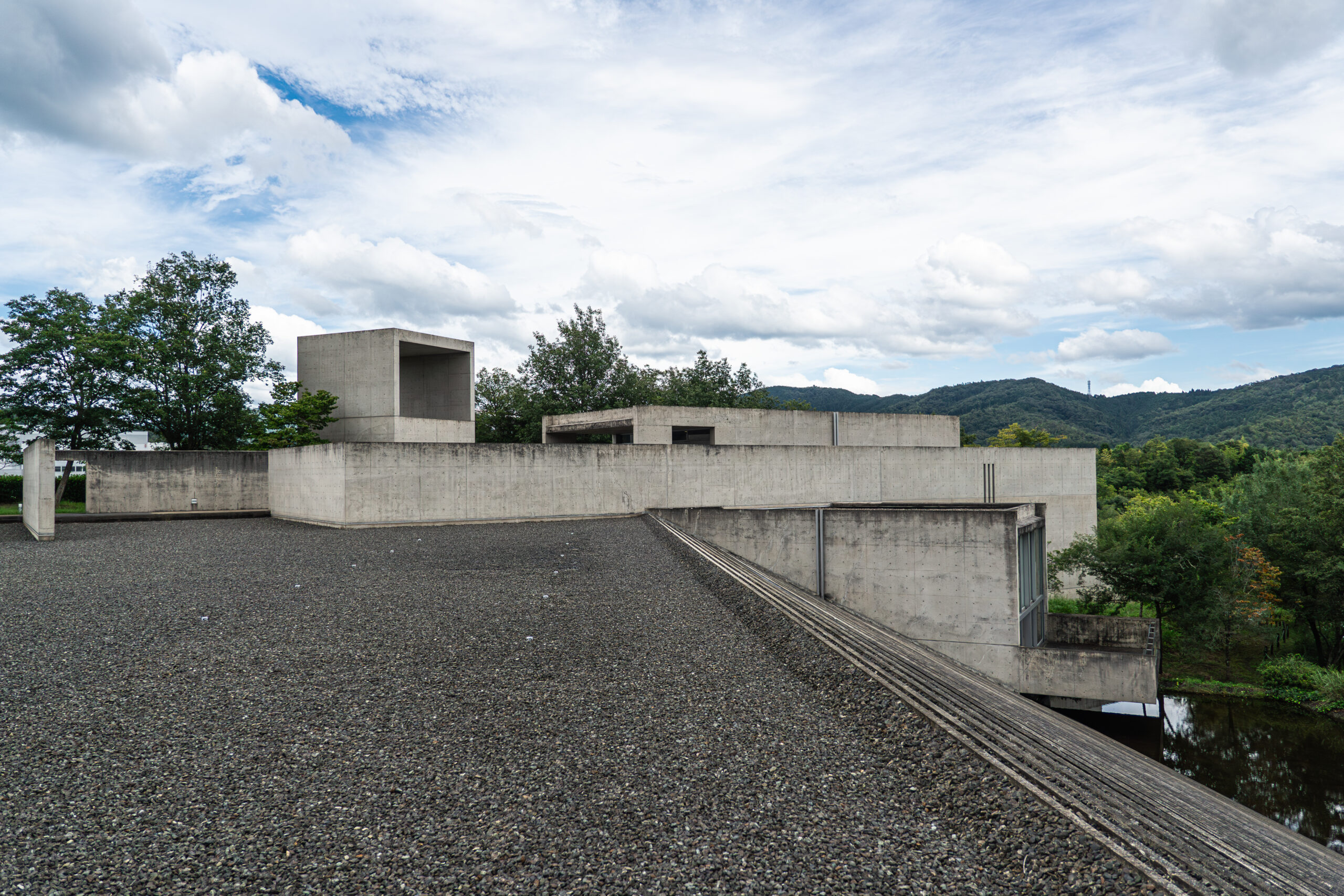
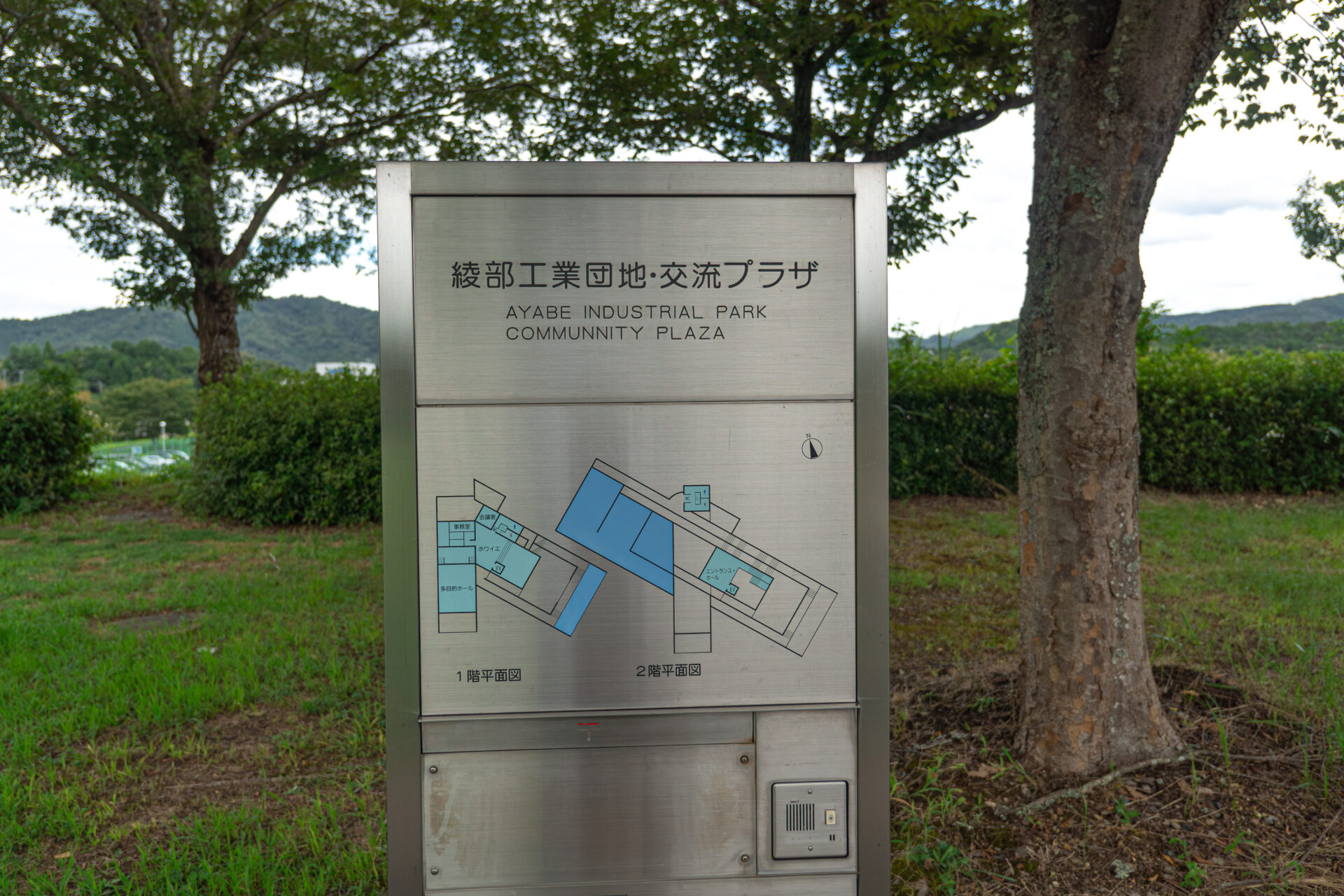
A defining feature of the building is the gently sloping ramp that wraps around the entire structure, creating a seamless connection between its exterior and interior. The design allows visitors to experience the changing scenery as they walk.
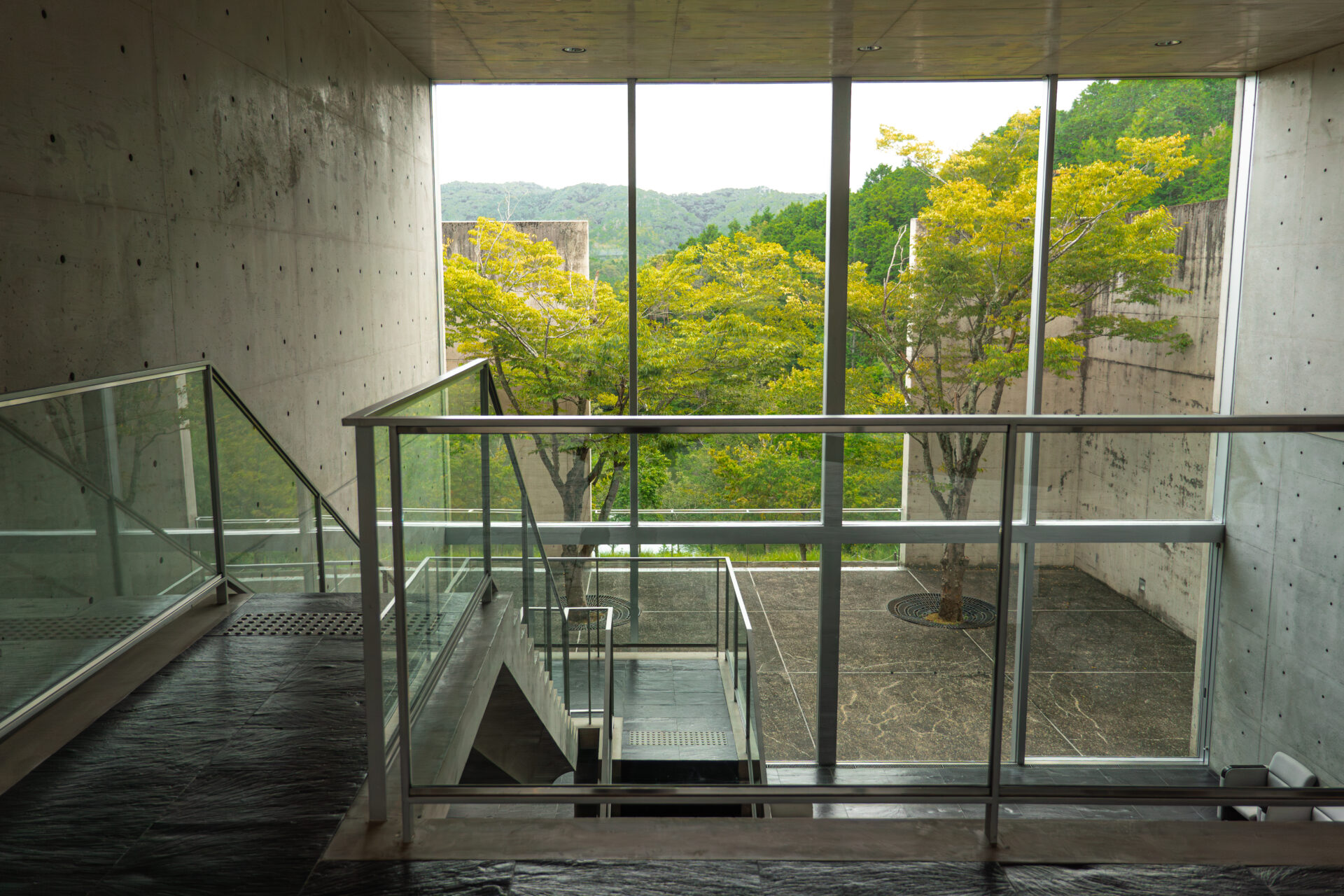
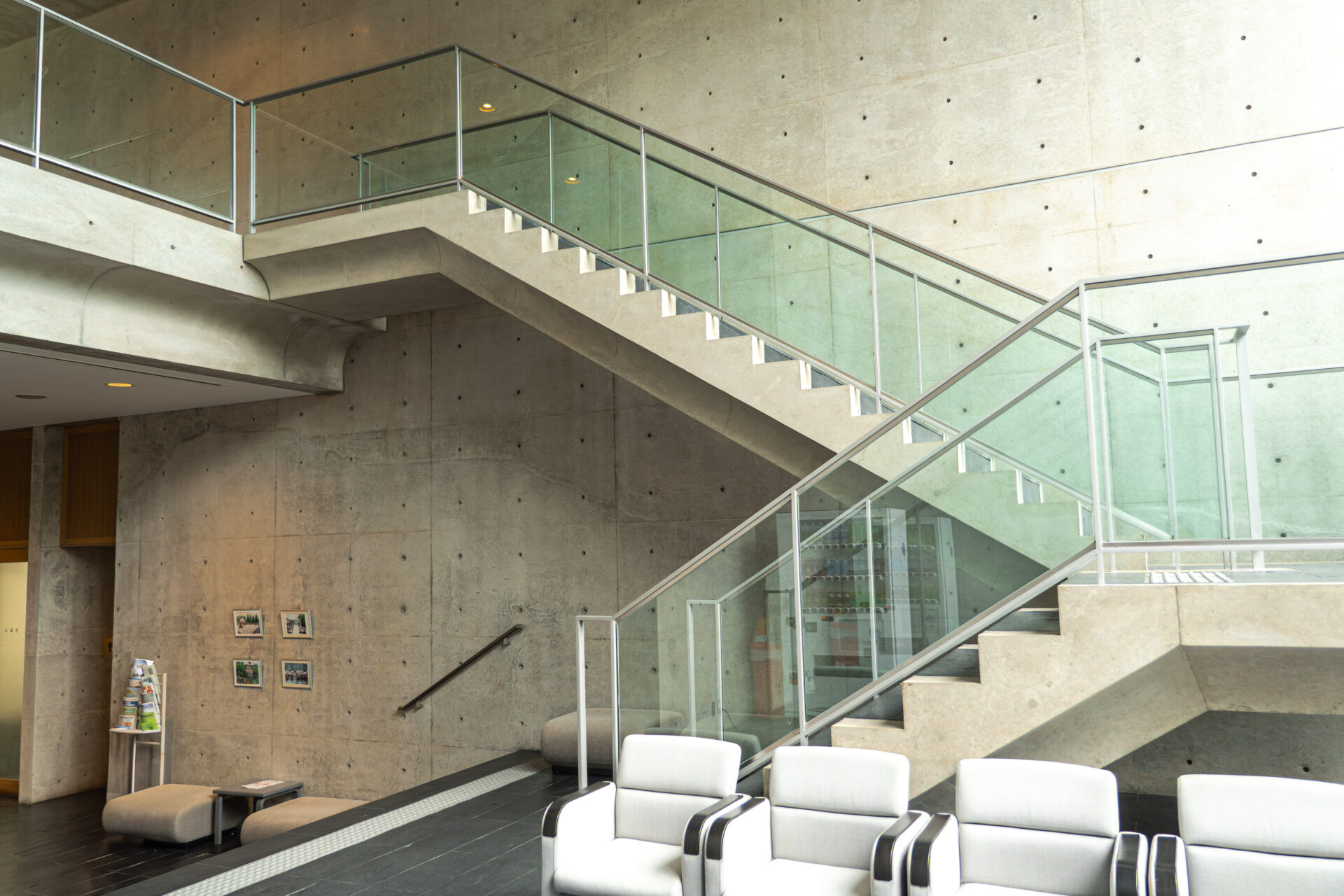
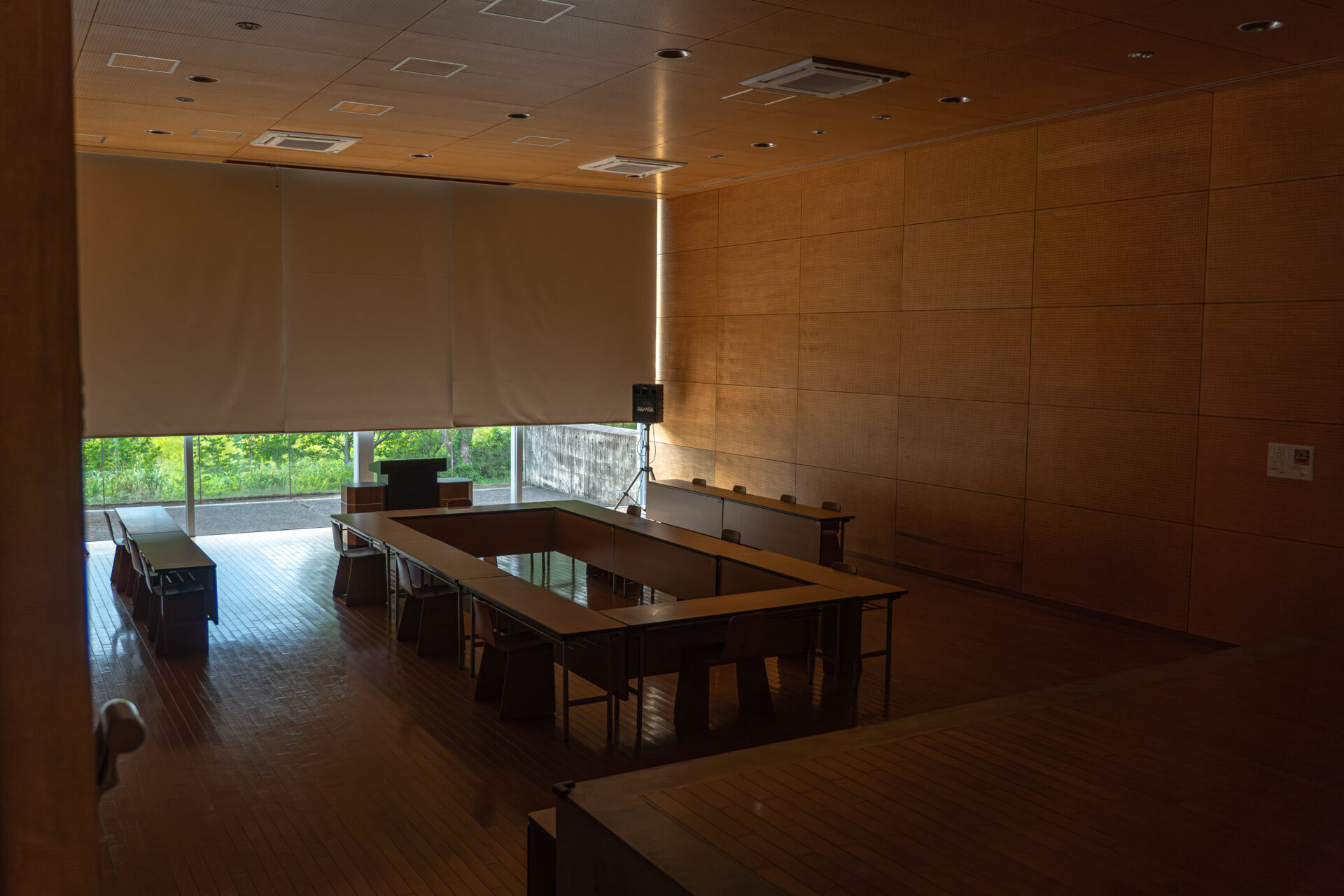
The architecture itself creates a space that feels almost like a work of art. Open and enveloped in quiet, it serves not only as a venue for training and community exchange, but also as a destination well worth the visit for architecture enthusiasts.
- ADDRESS
京都府綾部市とよさか町4−4
- OPEN
利用時間 午前9時~午後9時
休 館 日 水曜日 及び 年末年始(12月29日~1月5日)
Michi-no-Eki Nagomi
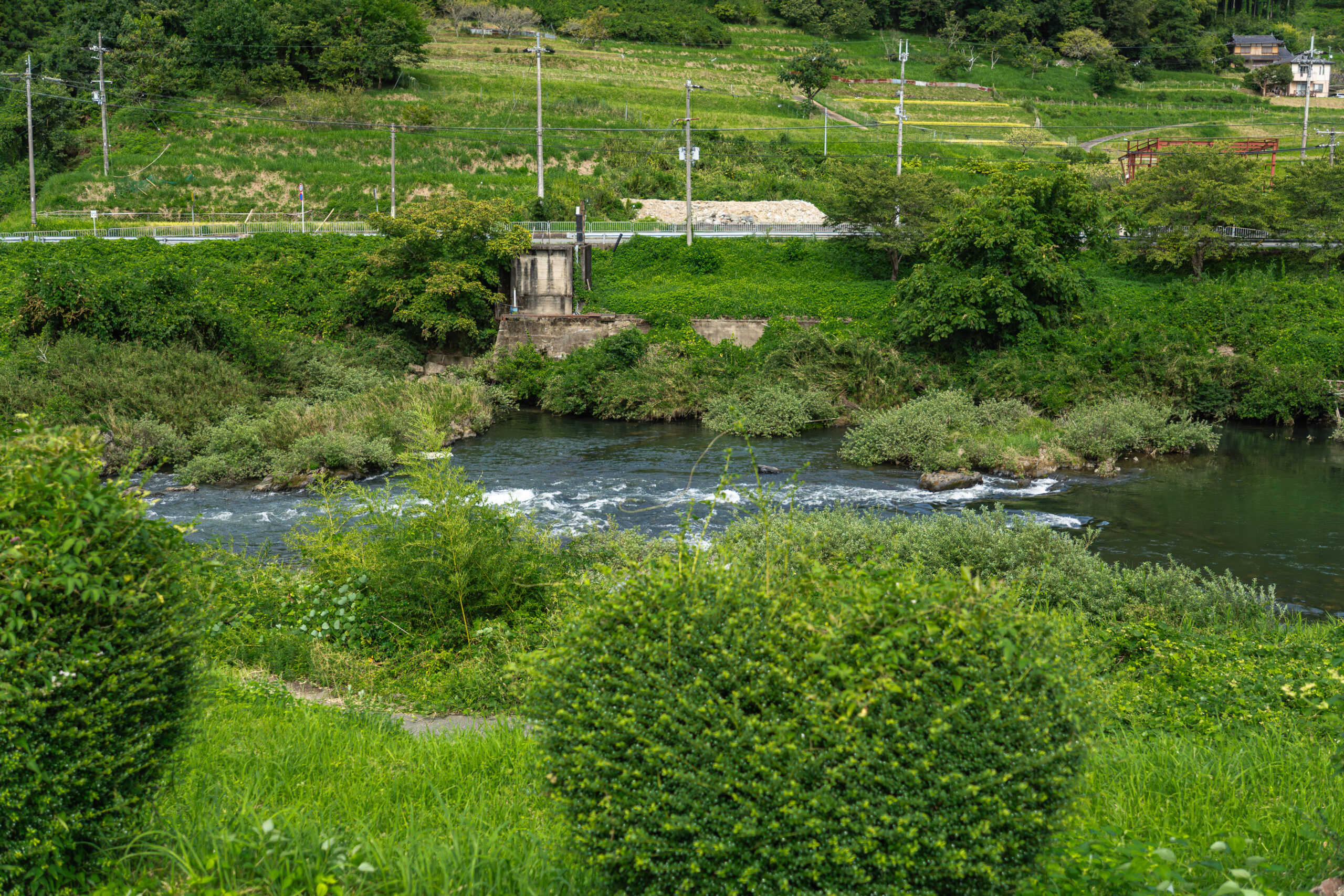
If you have the time, “Michi-no-Eki Nagomi” is well worth a stop, conveniently accessible from both Fukuchiyama and Ayabe. Set along the banks of the pristine Yura River, the area is renowned as one of Kyoto Prefecture’s premier ayu (sweetfish) fishing spots, celebrated for the exceptional flavor of wild ayu raised in its rich, clear waters.
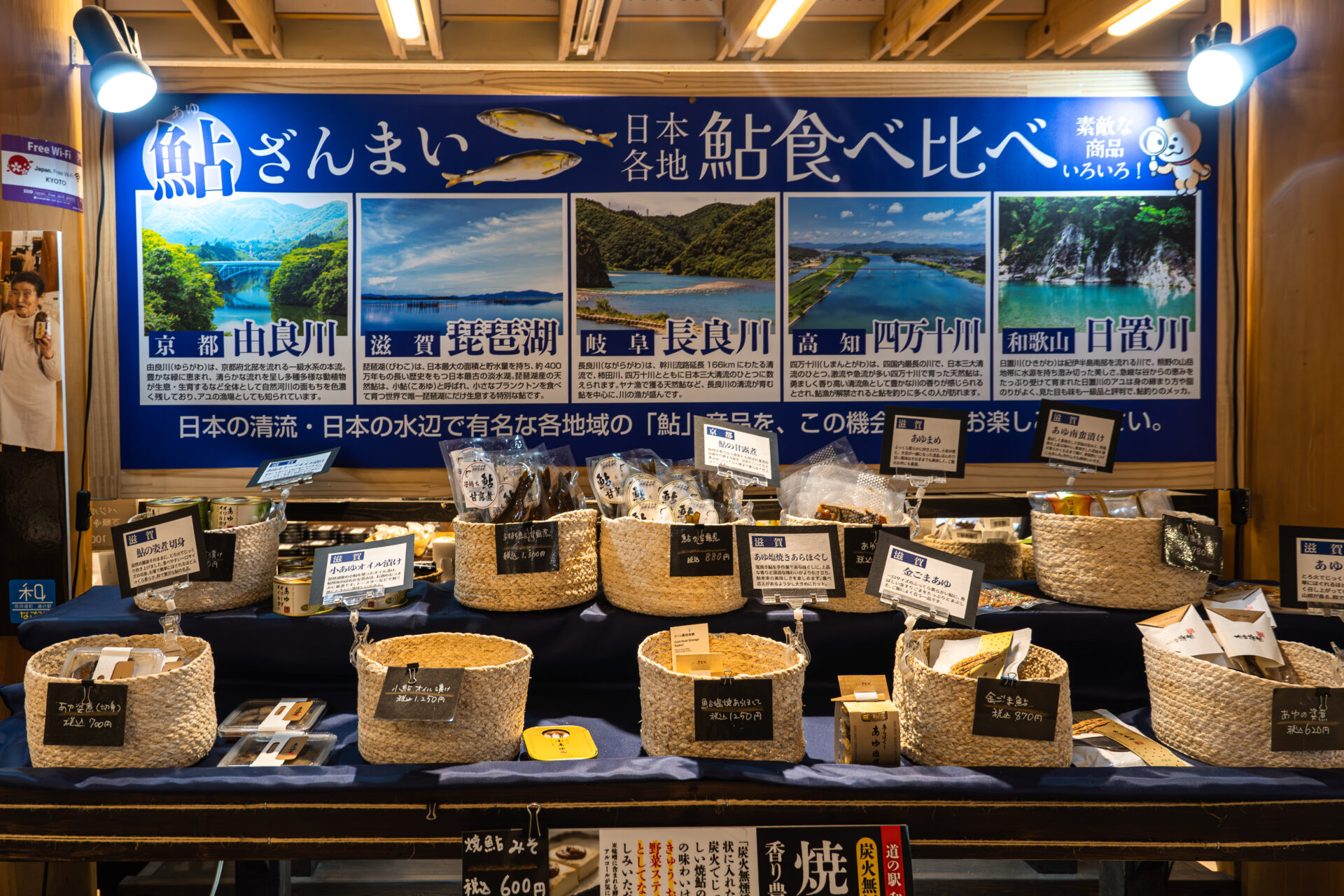
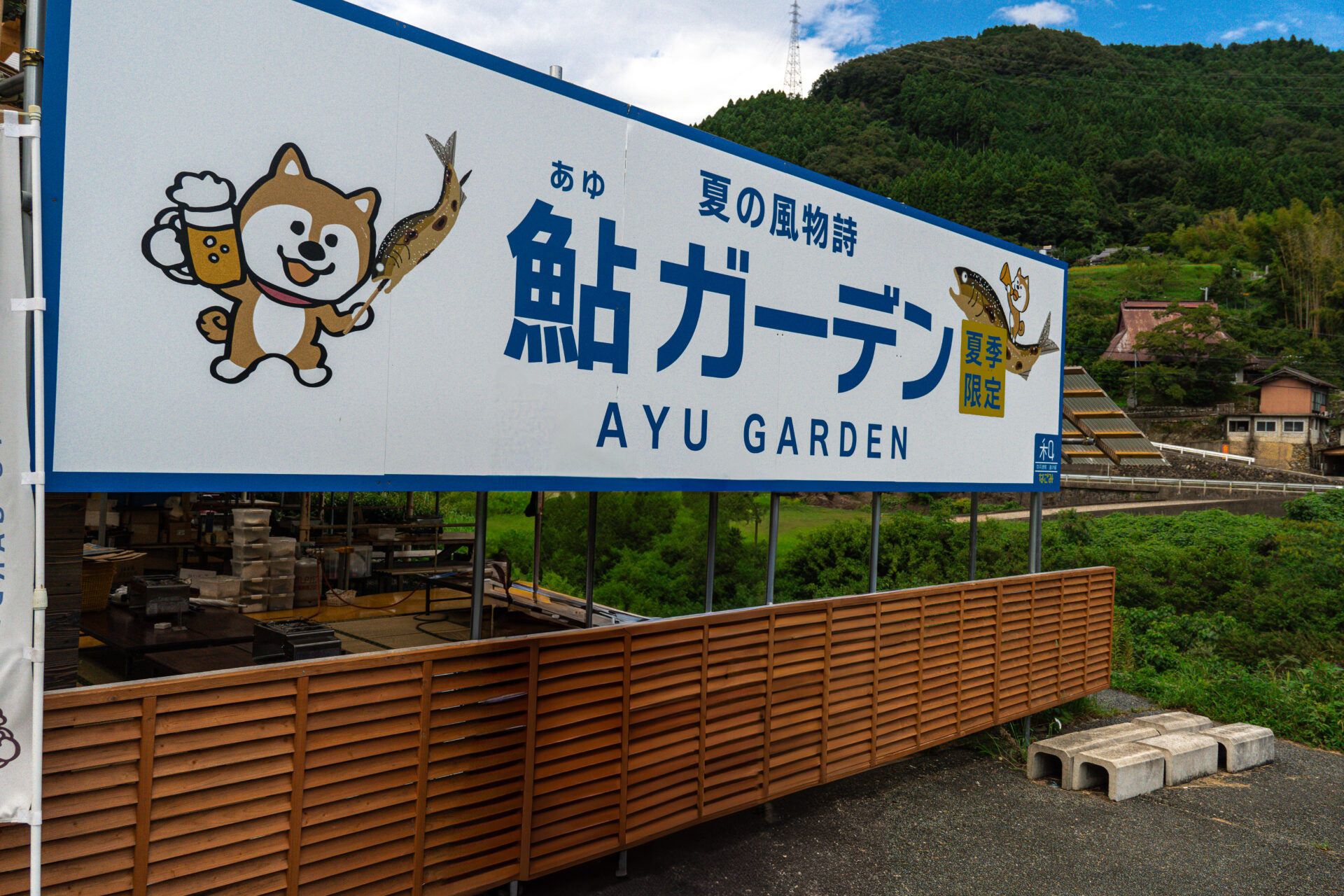
Ayu Garden
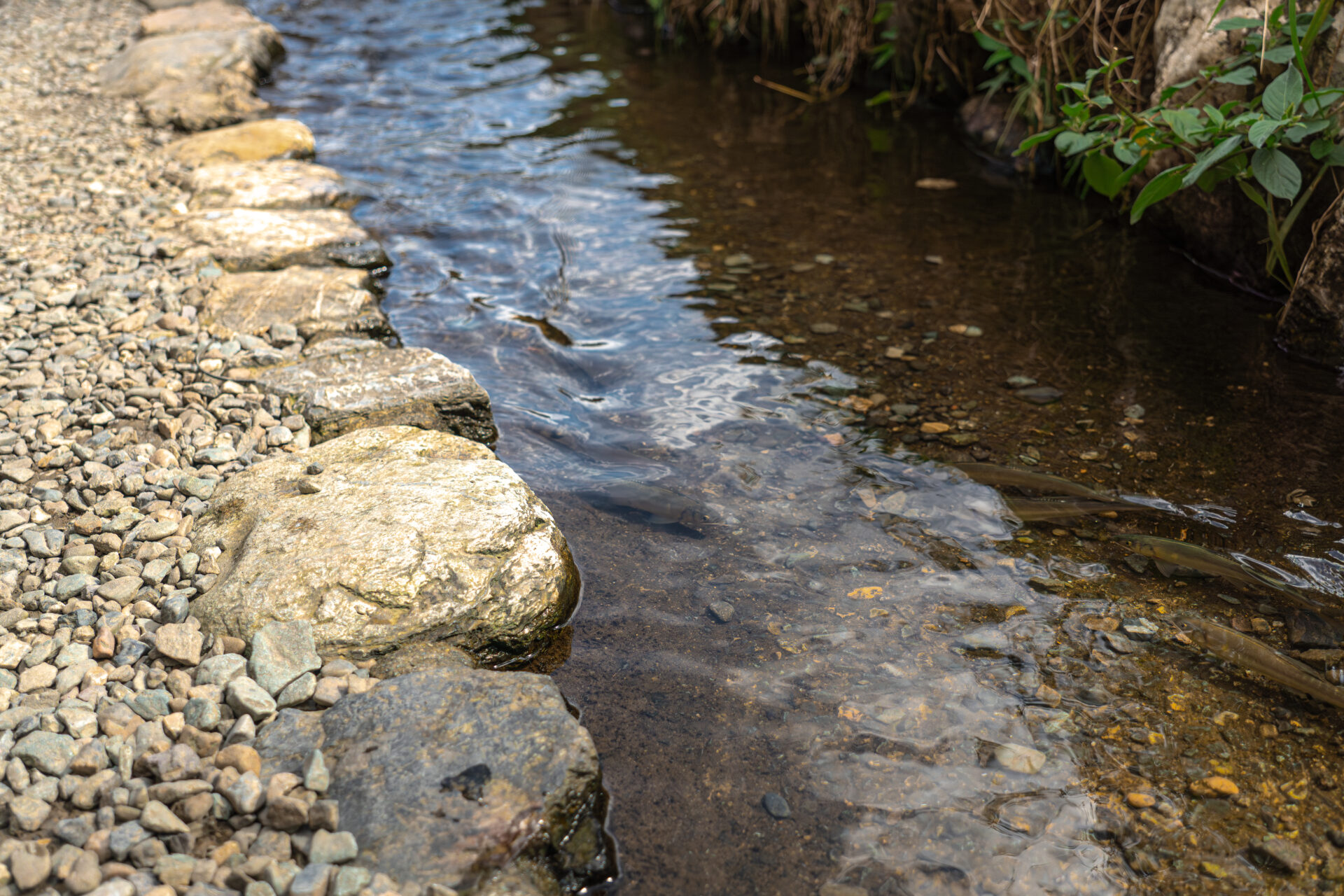
If you visit Michi-no-Eki Nagomi, don’t miss the “Ayu Garden,” a summer-only event well worth experiencing. It’s a special seasonal space where visitors can enjoy salt-grilled ayu raised in the pristine Yura River, as well as the experience of catching ayu with their bare hands.
Catching lively ayu by hand in a dedicated fish tank! Once caught, your ayu can be salt-grilled on the spot for a truly special treat.
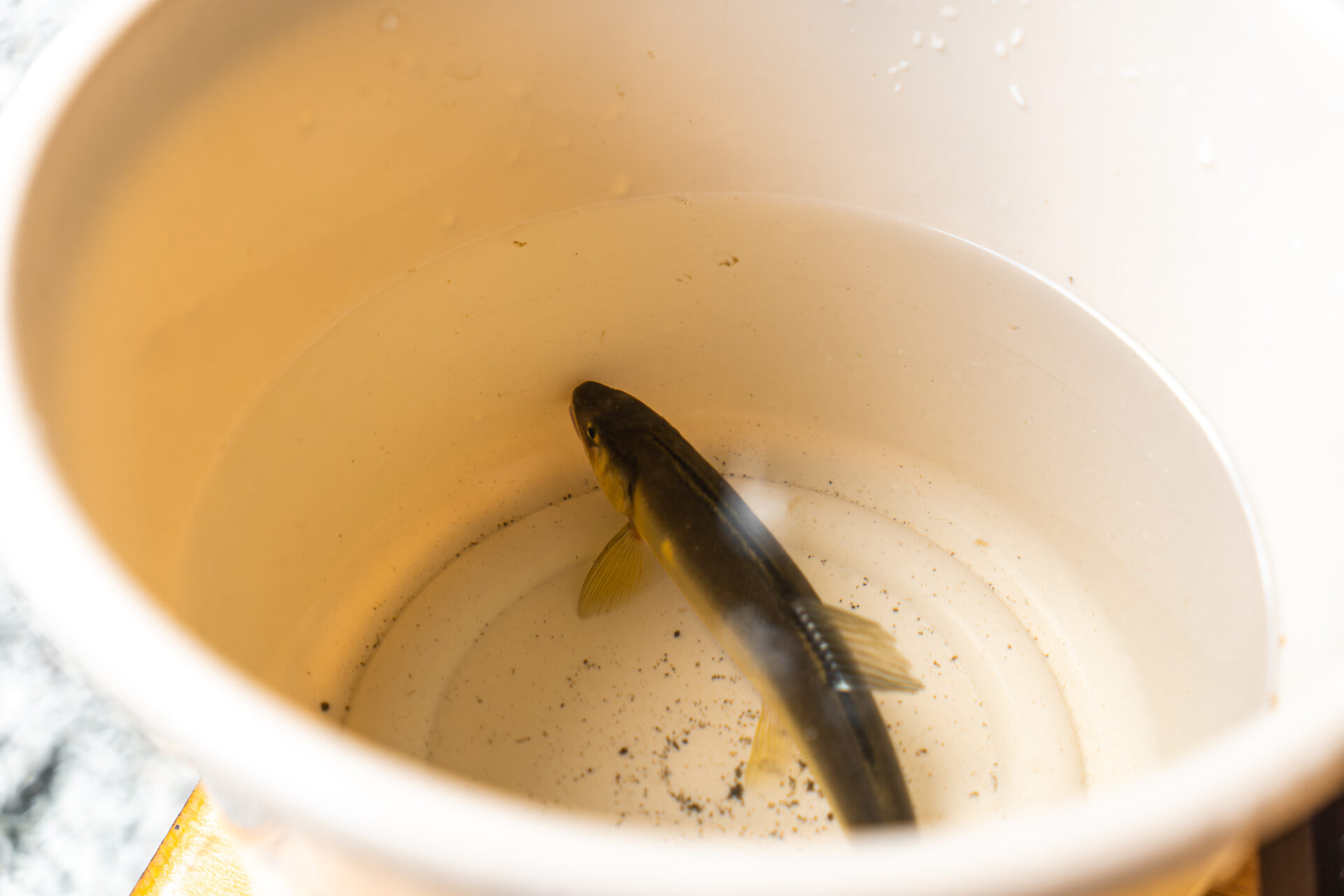
Catching ayu by hand turned out to be far trickier than expected! The fish darted away again and again as I reached for them — but eventually, I managed to catch one!
Grilled immediately over charcoal, the salt-grilled ayu came out fragrant and plump — the perfect reward. Somehow, ayu you’ve caught yourself always tastes just a little bit better.
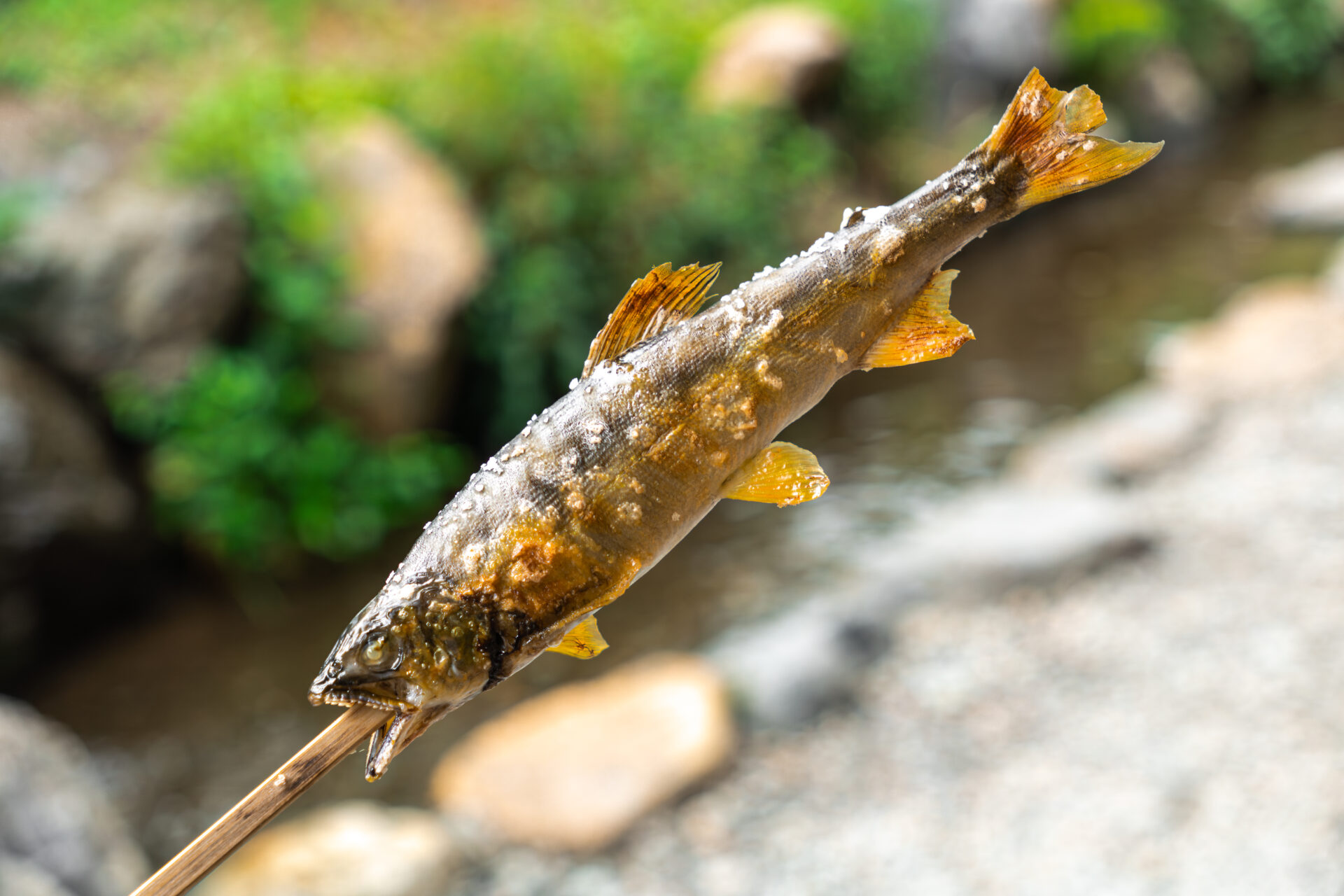
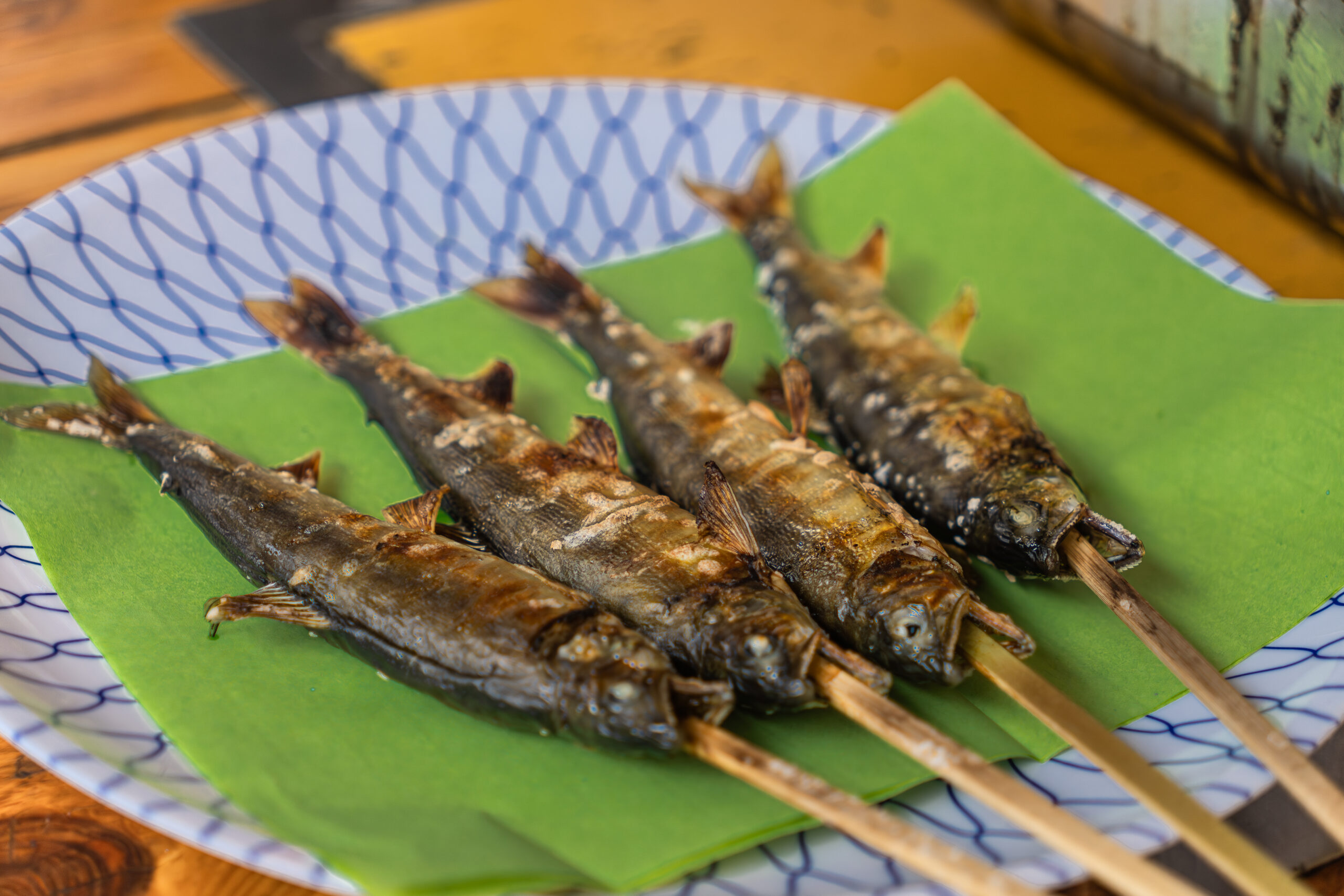
The Ayu Garden is a special place where you can do more than just eat — you can connect with nature while enjoying ayu firsthand. Between the salt-grilled fish and the hands-on catching experience, it’s bound to become an unforgettable memory. If you’re headed to Michi-no-Eki Nagomi in summer, the Ayu Garden is absolutely worth checking out.
- ADDRESS
京都府船井郡京丹波町坂原上モジリ11
- OPEN
11:00 - 18:30
L.O. 18:00
夏季のみ
Arriving at Today’s Destination
Arriving at Inaka no Taiho
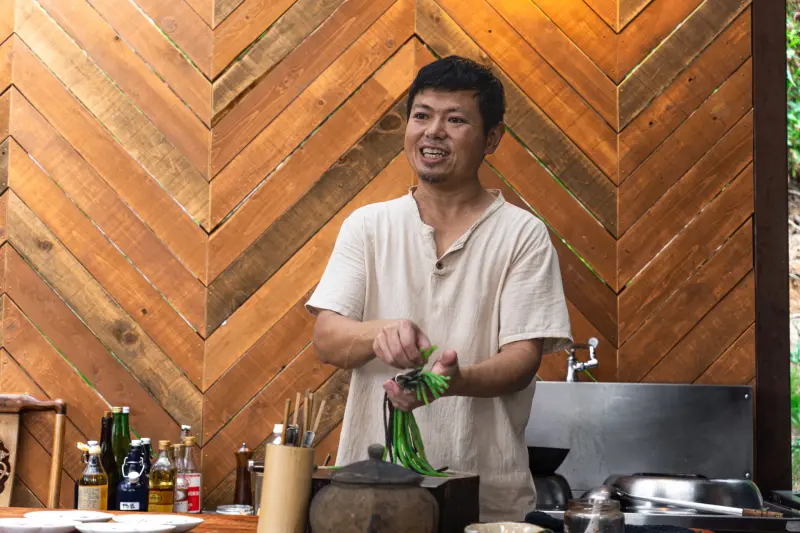
Deep in the mountains beyond Ayabe from Fukuchiyama lies a hidden gem of a restaurant — the true destination of this journey.
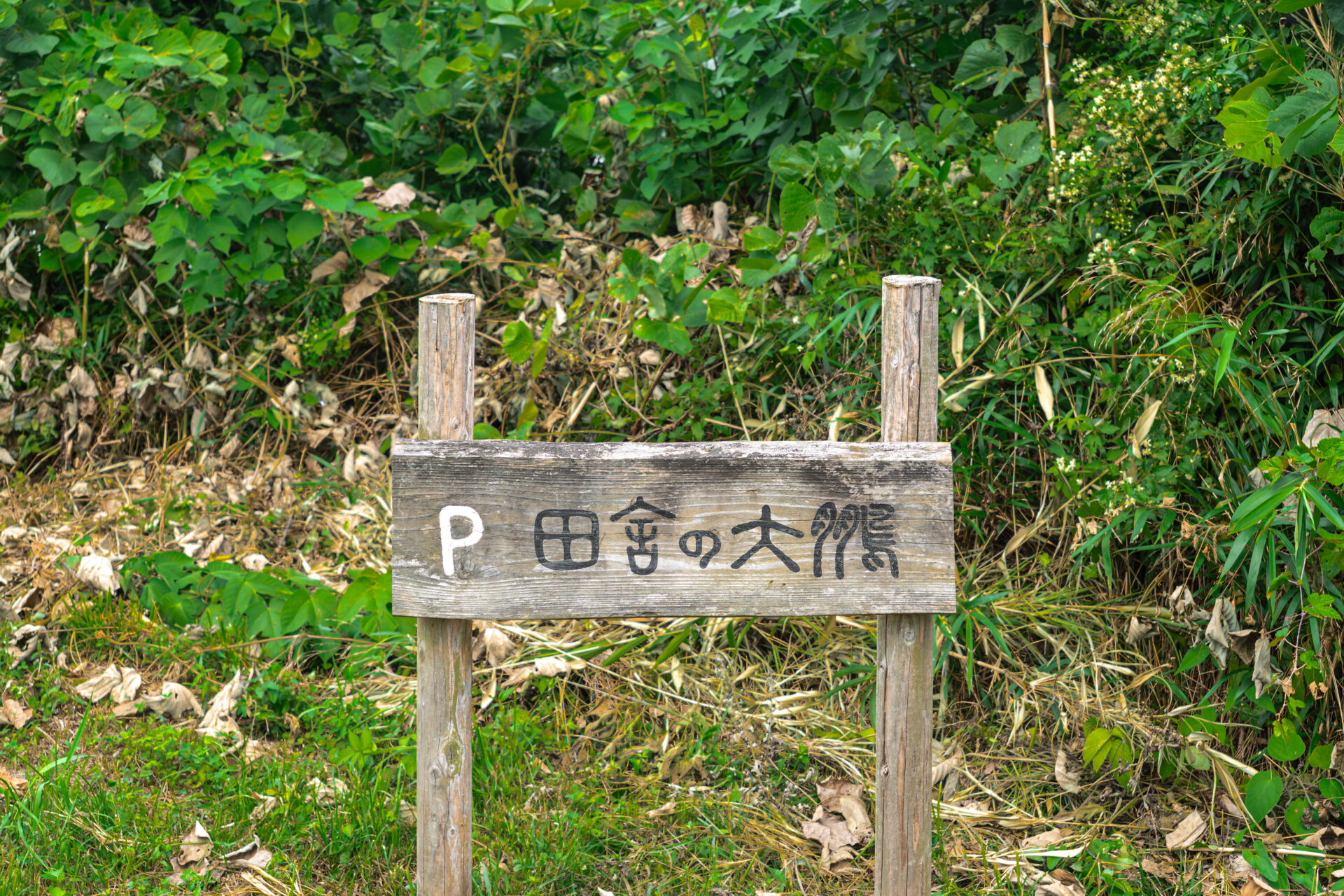
After parking the car, a narrow path leads further on foot. Suddenly, a landscape of rivers and rice paddies unfolds before you — like stepping into another world entirely. It feels as though you’ve been invited into a hidden retreat devoted purely to gastronomy.
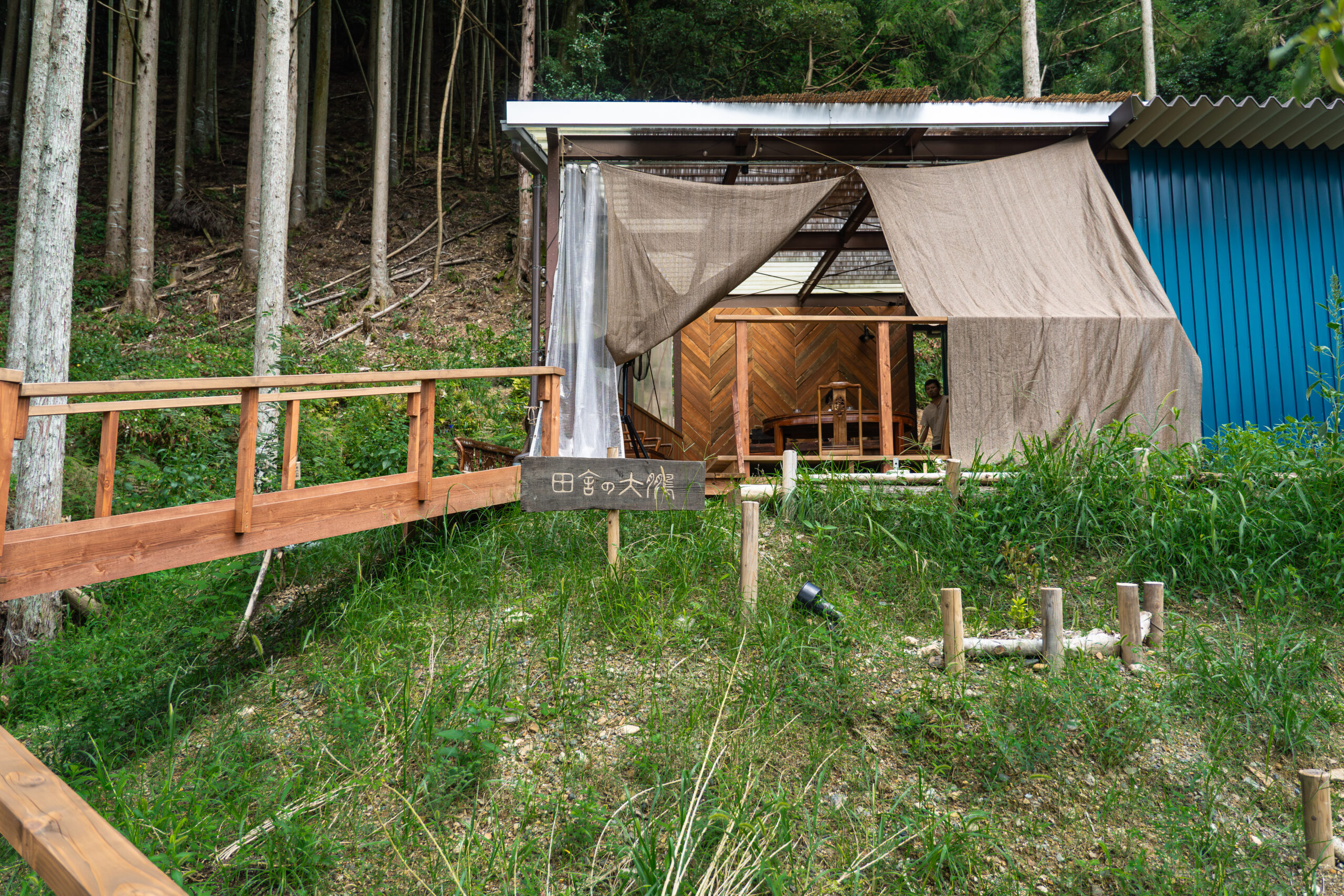
Read more about Inaka no Taiho here:
A Journey Through Fukuchiyama, Ayabe, and the Yura River, with Inaka no Taiho as the Destination
This journey was more than just a food trip — it was time spent feeling the preciousness of nature and life itself. Each dish savored at Inaka no Taiho was a fusion of the land’s bounty and the miracles crafted by human hands. The quiet flow of the Yura River, the sweeping rural landscape, and the cycle of life felt through food, all came together as one.
Northern Kyoto holds a journey that makes you forget time and enriches the spirit. I found myself already wondering which season to return in next — the kind of trip that leaves you longing to come back.
After the Meal at Inaka no Taiho, On to the Next Destination
After a luxurious stretch of time deep in the quiet mountains of Ayabe, we got back in the car and set off toward our next destination. Winding through mountain roads surrounded by nature, the drive carried a lingering afterglow from the day’s journey.
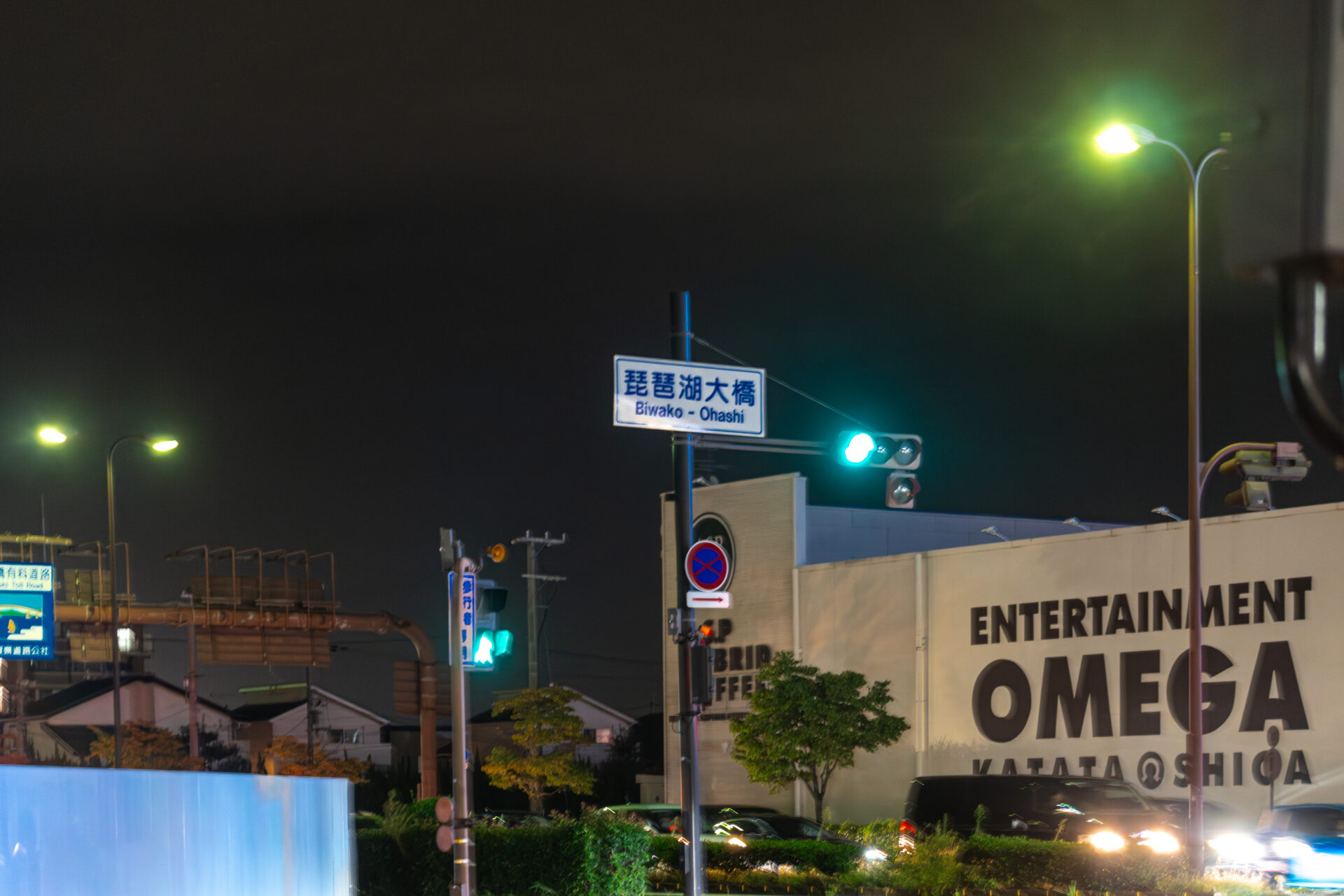
Before long, the view opens up, and Biwako Ohashi Bridge comes into view.
From here, the drive continues with the wind sweeping in off Lake Biwa. With the mountains of Ayabe now behind us, anticipation builds for the new scenery — and the next stop on the journey — ahead.
From the silence of the mountains to the open expanse of the lake — this route offers a striking contrast of shifting scenery, savored all the way through.
DAY 2
Continue the journey here:
- TAGS
 Plan Your Journey
We’ll create a journey tailored to your interests.