CONTENTS
Kannawa Onsen
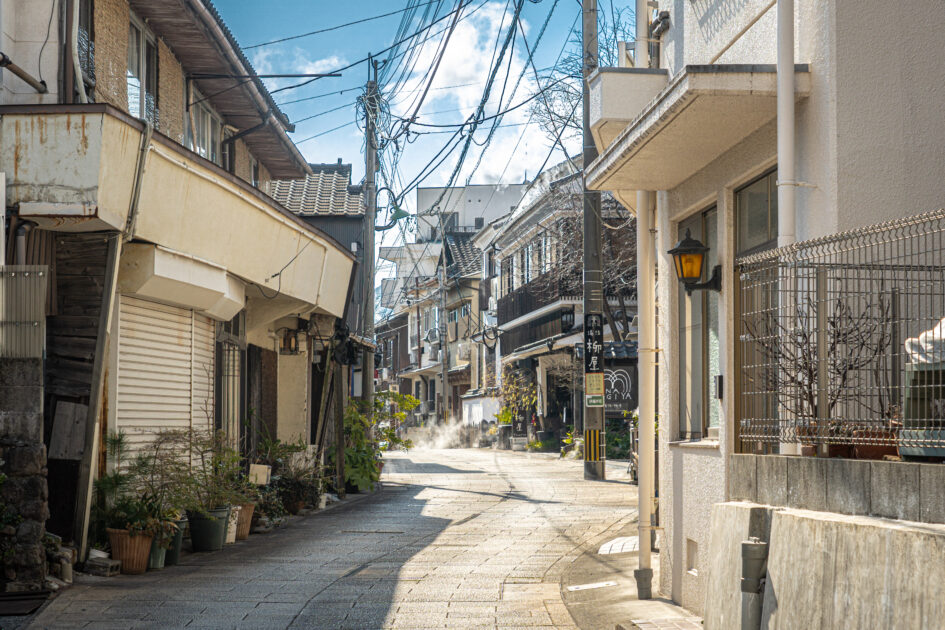
Ideyu-zaka
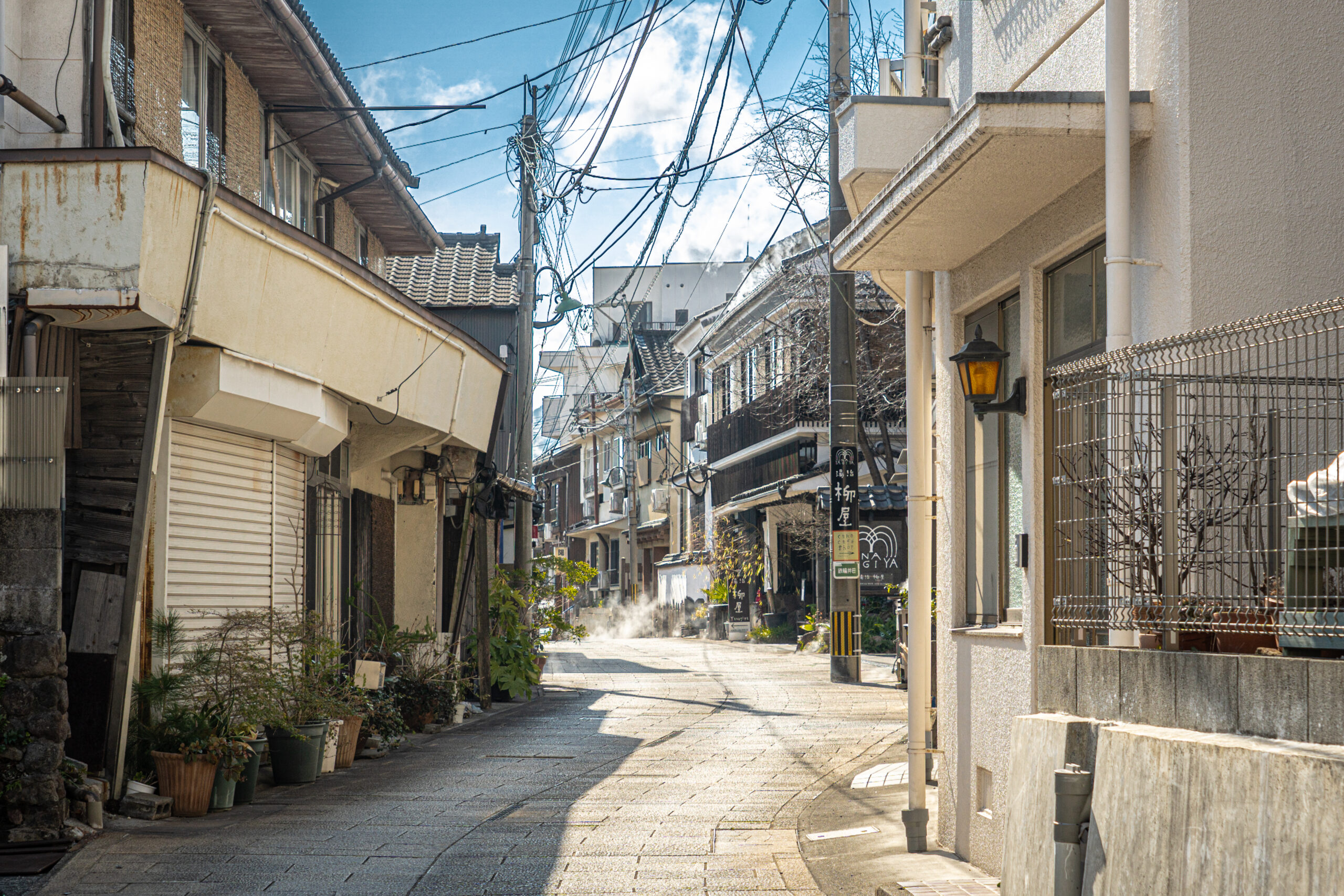
The main street running through Beppu’s Kannawa Onsen district, Ideyu-zaka is a stone-paved slope steeped in hot-spring-town atmosphere. Stretching roughly 385 meters with a gentle 45-meter change in elevation, the slope is lined on both sides with ryokan inns, eateries, and shops, making it a wonderful place for a leisurely stroll. Start your visit here — walking through the rising steam of the hot springs is the perfect way to soak in the singular atmosphere of this onsen town.
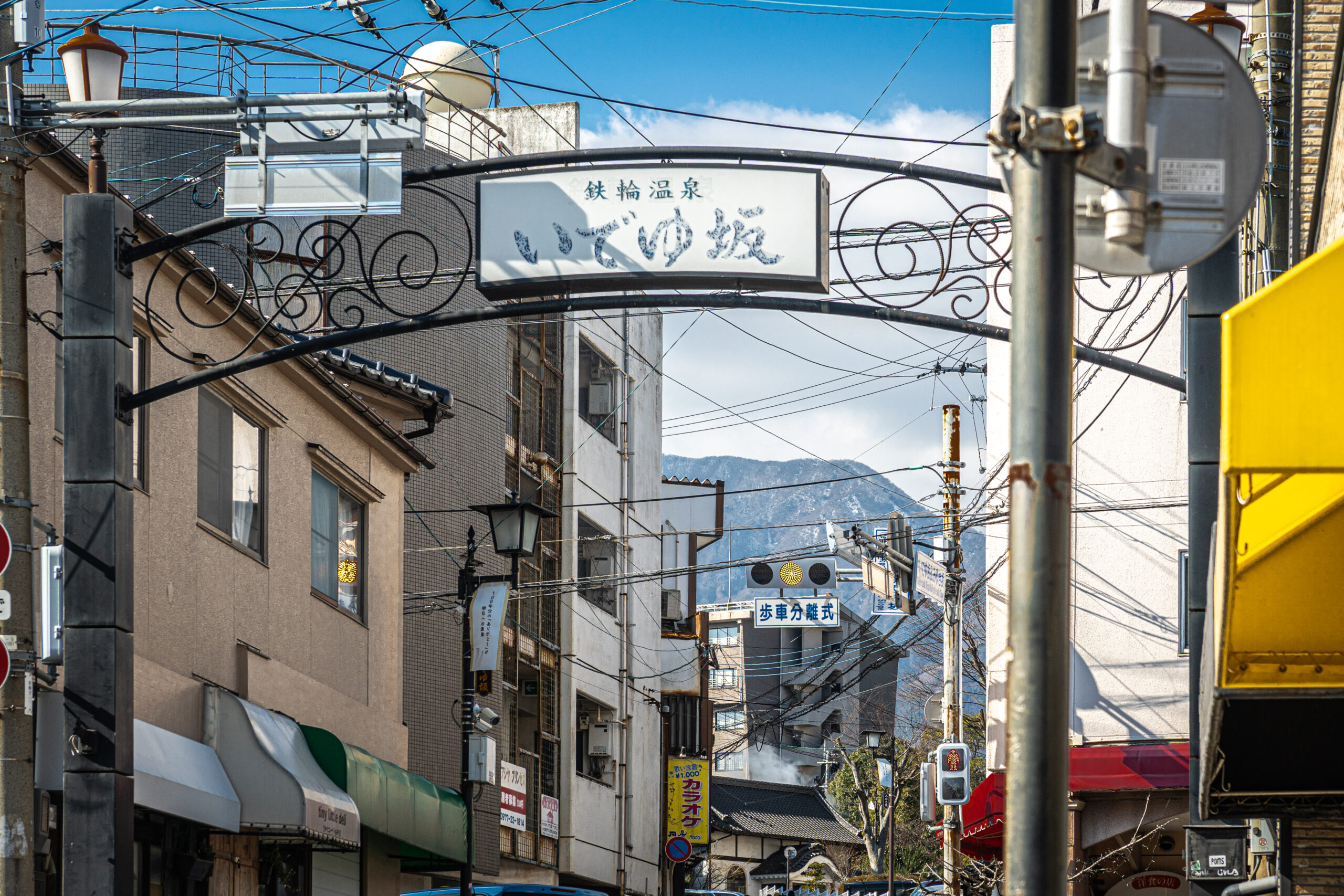
The highlights of Kannawa Onsen, mapped out.
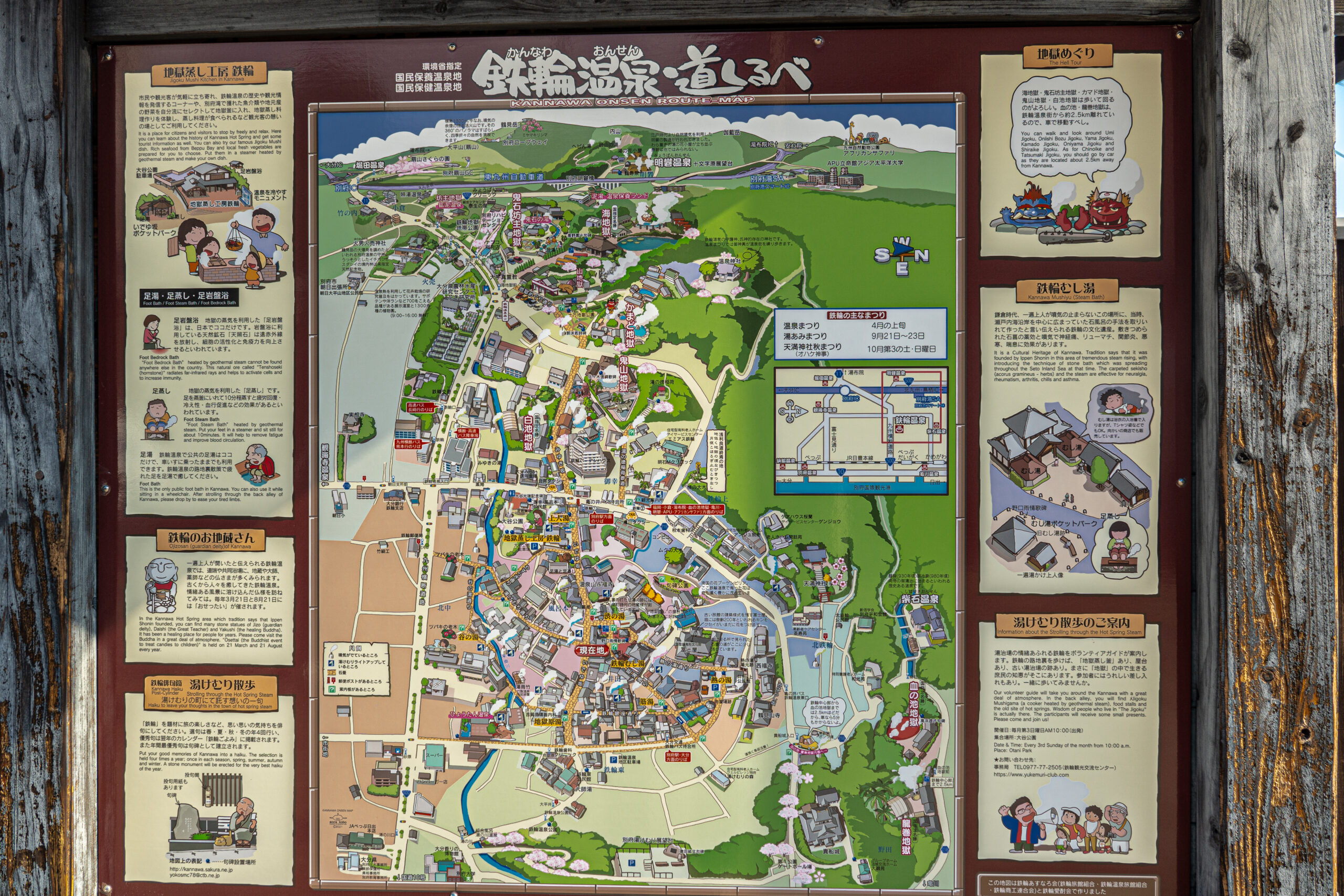
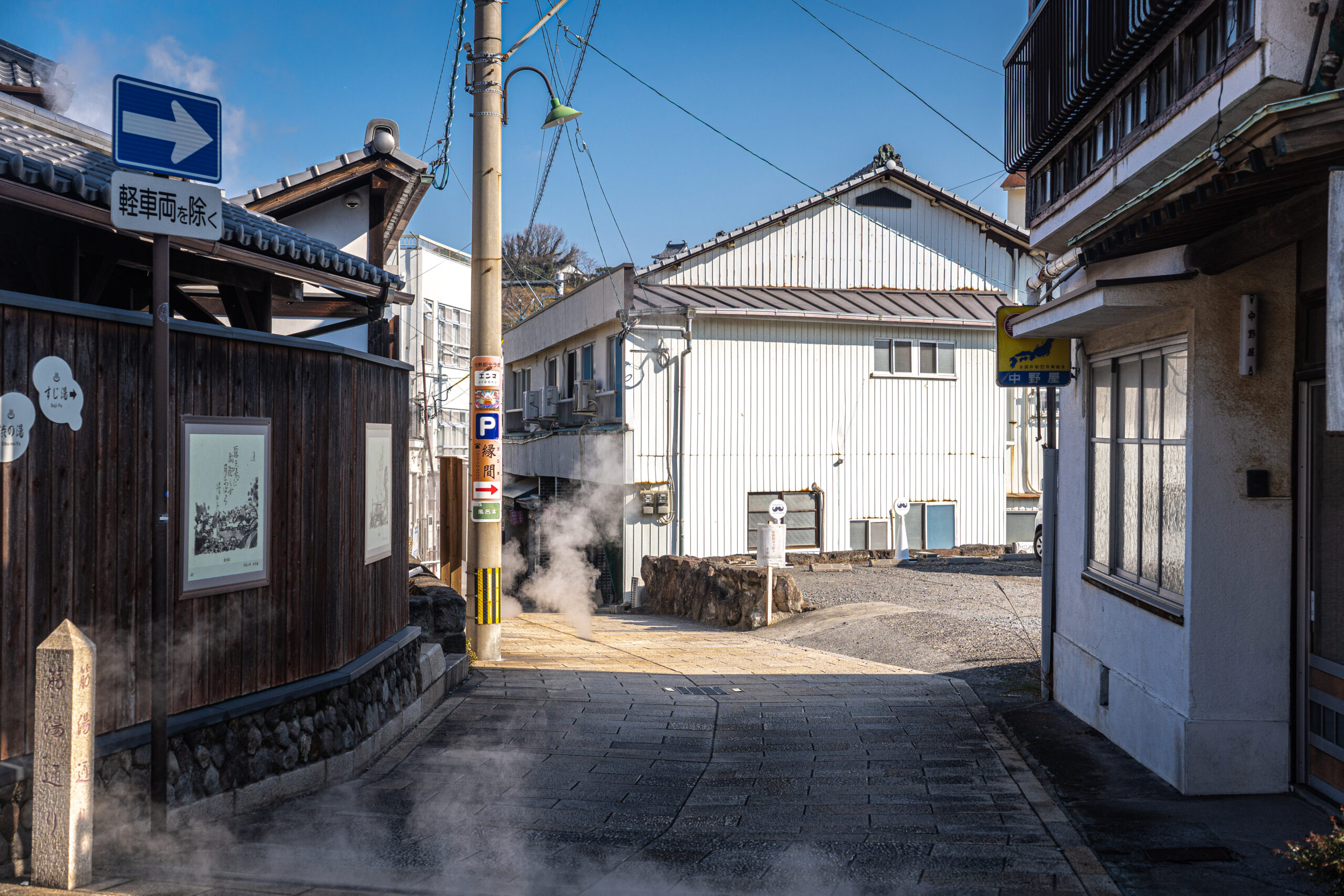
Sujiyu-dori is a historic street running through Beppu’s Kannawa Onsen district in Oita Prefecture. Along this street sits “Sujiyu Onsen,” a public bathhouse that opened in the early Showa era and remains beloved by locals and visitors alike.
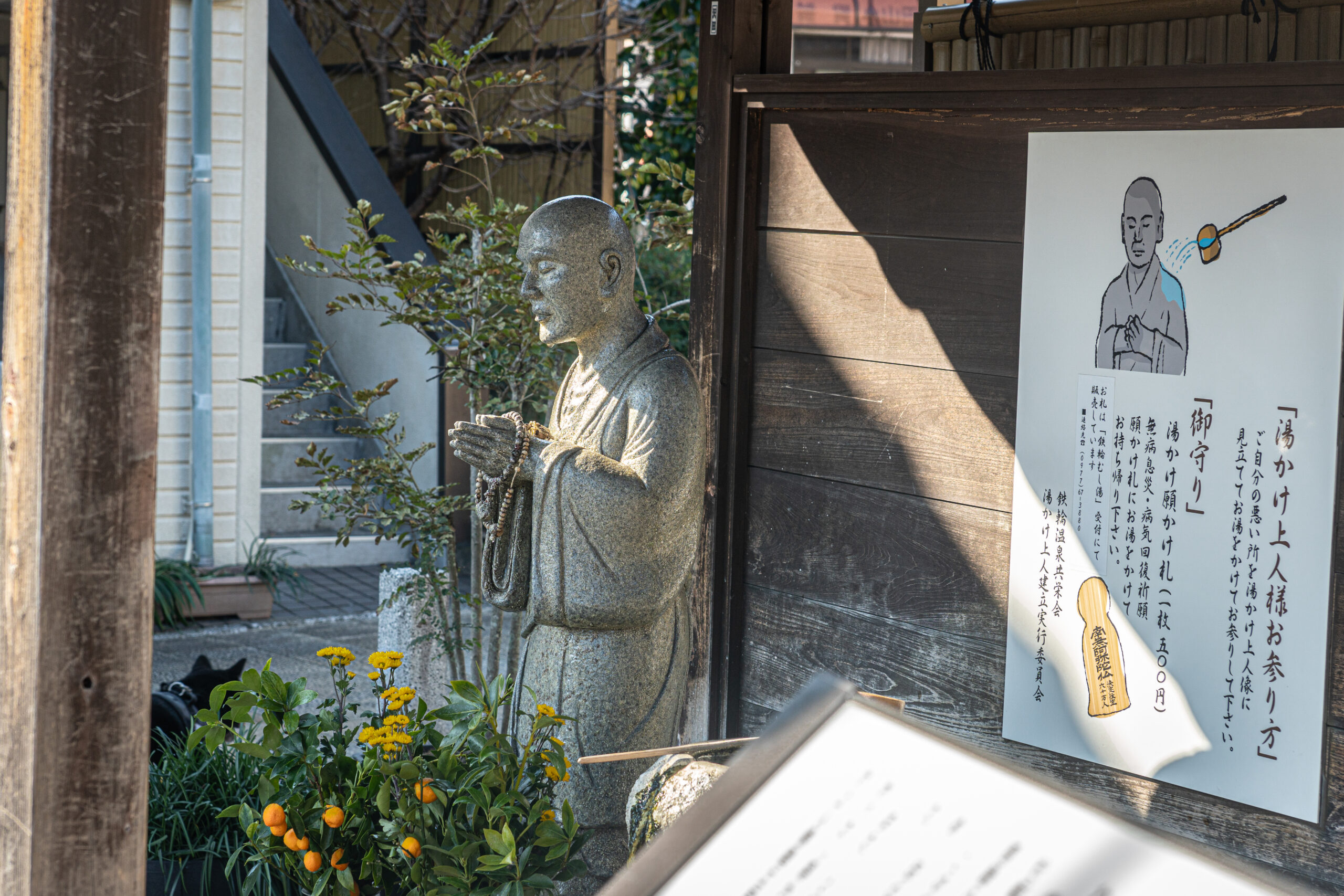
The Yukake Shonin Statue
“Yukake Shonin” refers to Ippen Shonin, a Buddhist monk of the Kamakura period. Ippen is known as a central figure in the founding of Kannawa Onsen. According to legend, he prayed on behalf of those suffering from the scalding steam of the area’s “hells,” and in doing so discovered miraculous healing waters. Using this water, he is said to have built a bathing facility that became the prototype for what is known today as mushi-yu, or steam bathing.
In front of “Kannawa Mushi-yu” in Kannawa Onsen stands a statue of “Ippen Yukake Shonin,” modeled after the monk himself. Visitors pour hot water over the part of the statue corresponding to whatever ailment or body part they wish to heal, praying for recovery and good health. The custom involves ladling the water directly onto that spot as a wish for its healing.
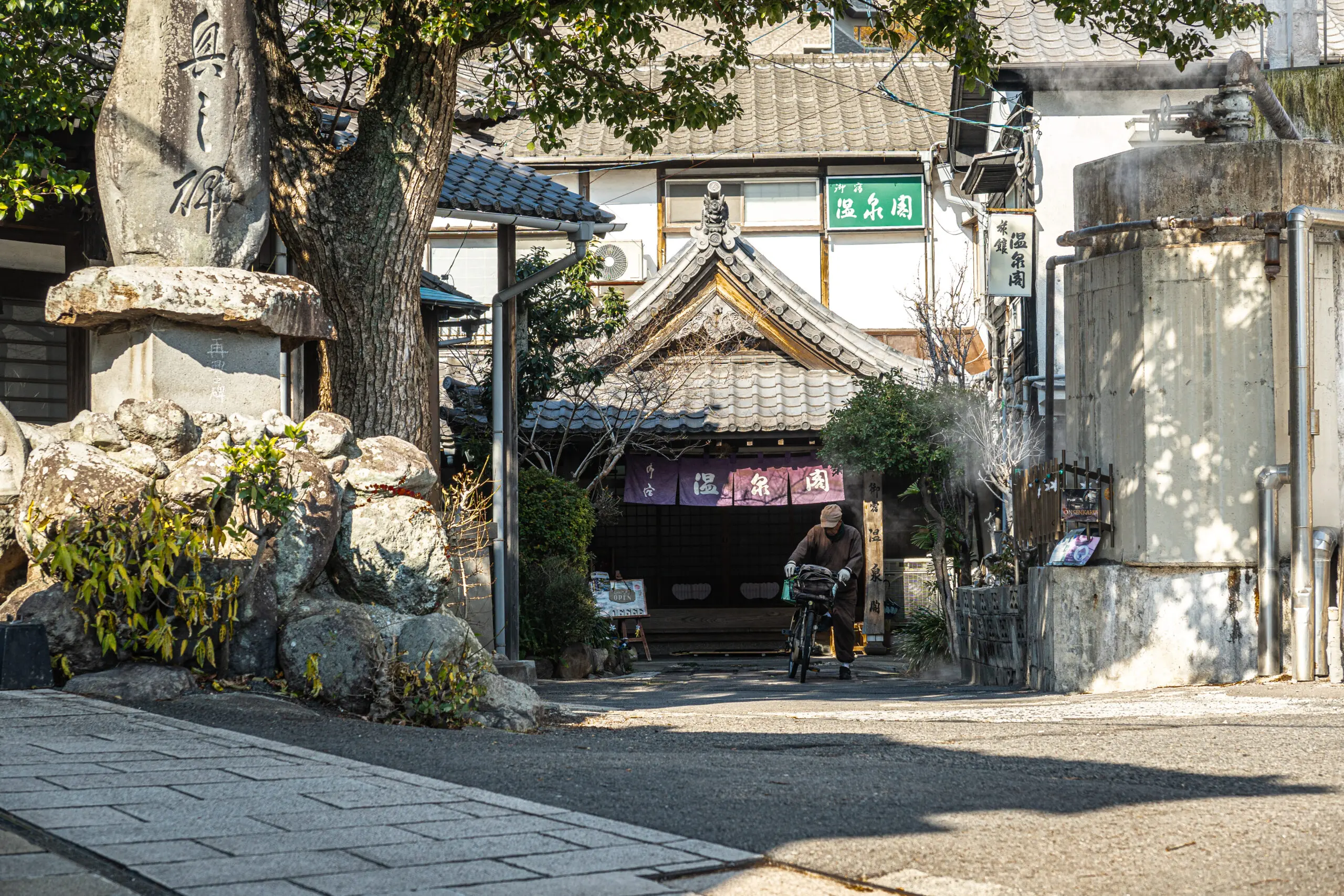
Eifuku-ji Temple
Located in Beppu’s Kannawa Onsen district, Eifuku-ji is a temple of the Ji sect said to have played a deep role in the founding of Kannawa Onsen. The temple is also known for its connection to Ippen Shonin, mentioned above.
During the Edo period, a ritual bathing ceremony was held four times a year, in which hot water was poured over a seated statue of Ippen. Revived after the war as the “Kannawa Yuami Festival,” the ceremony is now held annually from September 21st to 23rd.
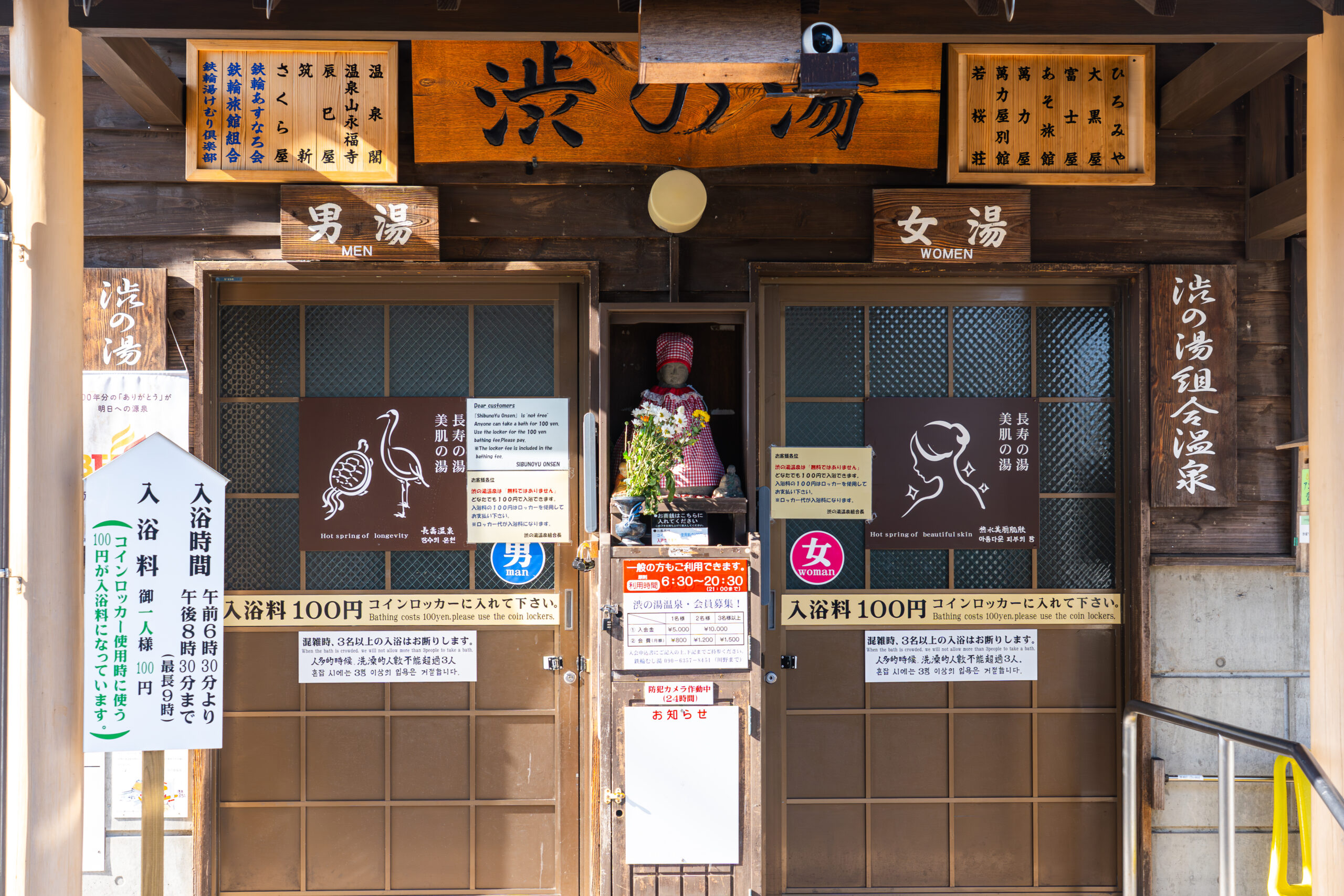
Public Bathhouses
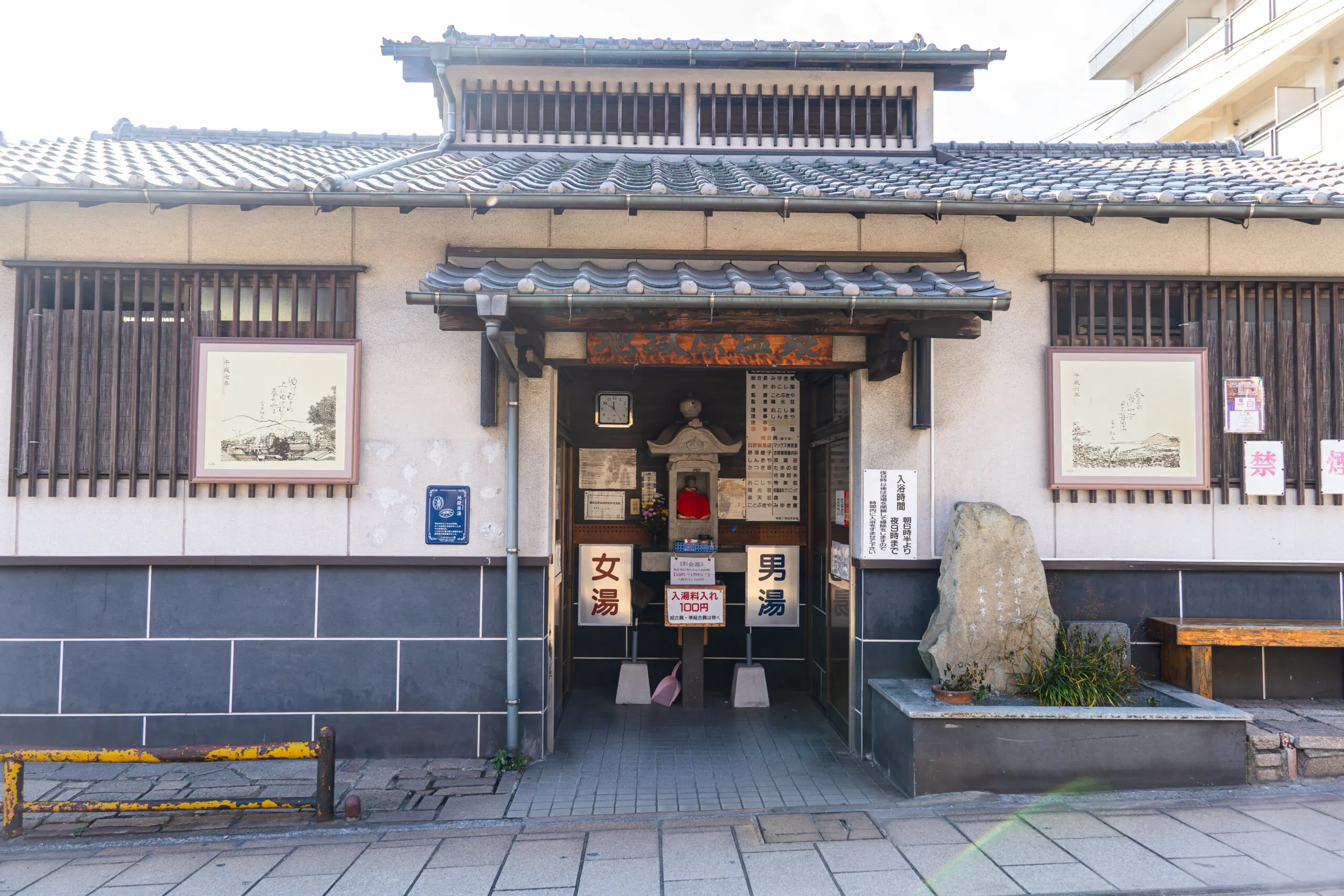
Beppu’s Kannawa Onsen area is home to a number of historic public bathhouses, among which “Shibu no Yu” and “Jigoku-bara Yu” are especially beloved by locals and visitors.
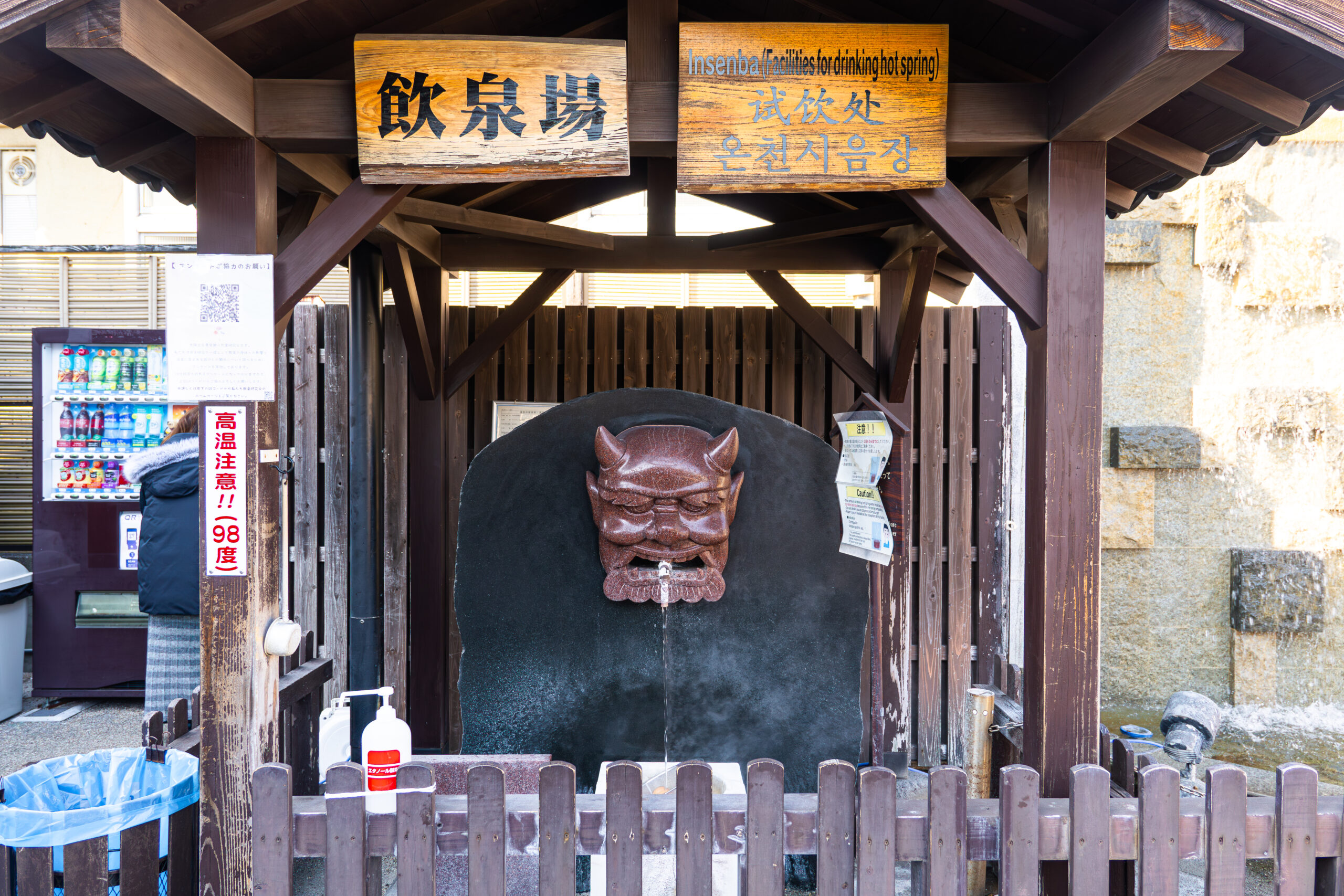
At “Jigoku Mushi Kobo Kannawa,” visitors can enjoy a foot bath, foot steaming, and a drinking fountain of onsen water, all free of charge, and the on-site space regularly hosts a marché (open-air market).
Abekan Shoten
At the marché, local specialty products, handmade crafts, and sweets are sold, offering visitors a taste of the region’s charm.
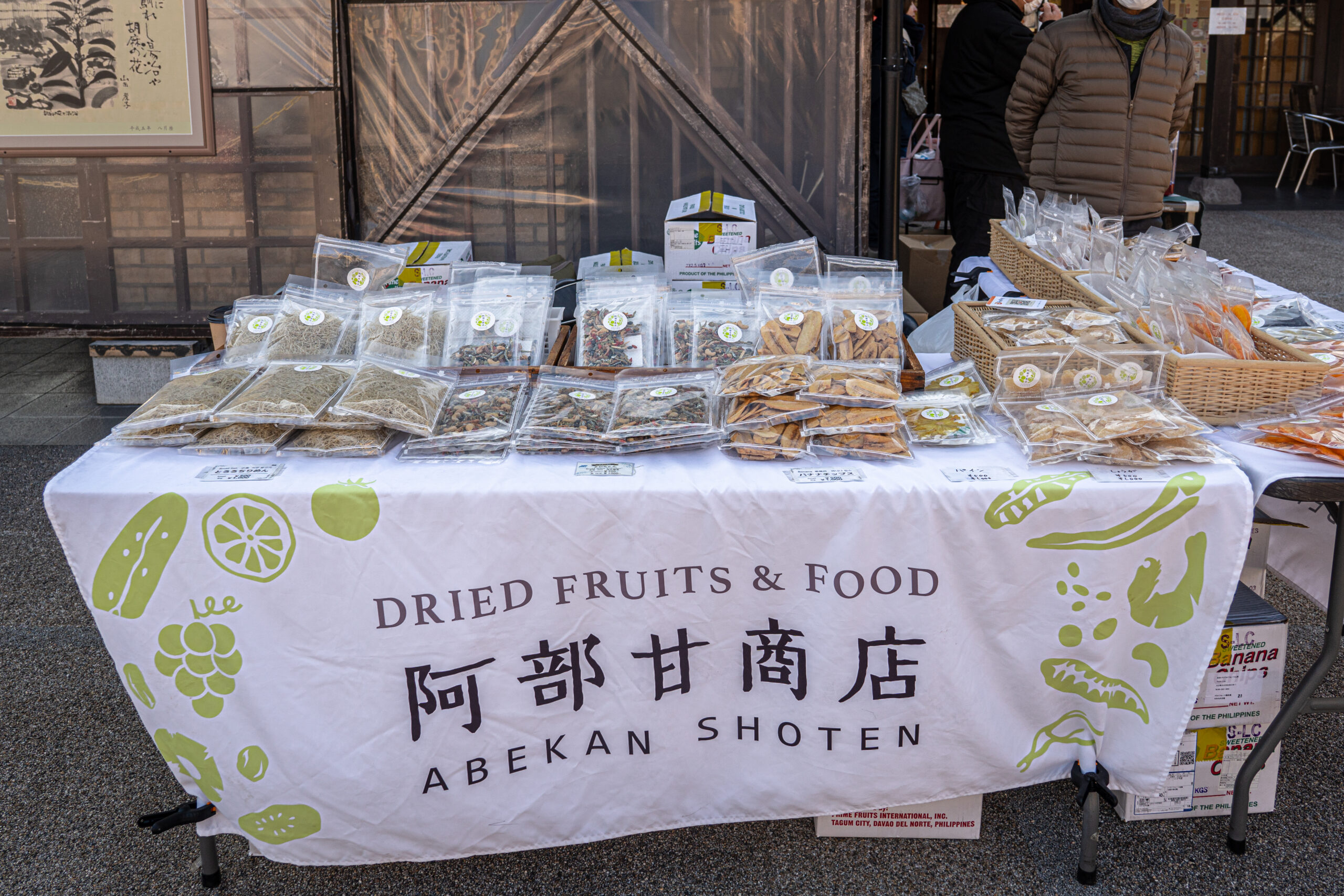
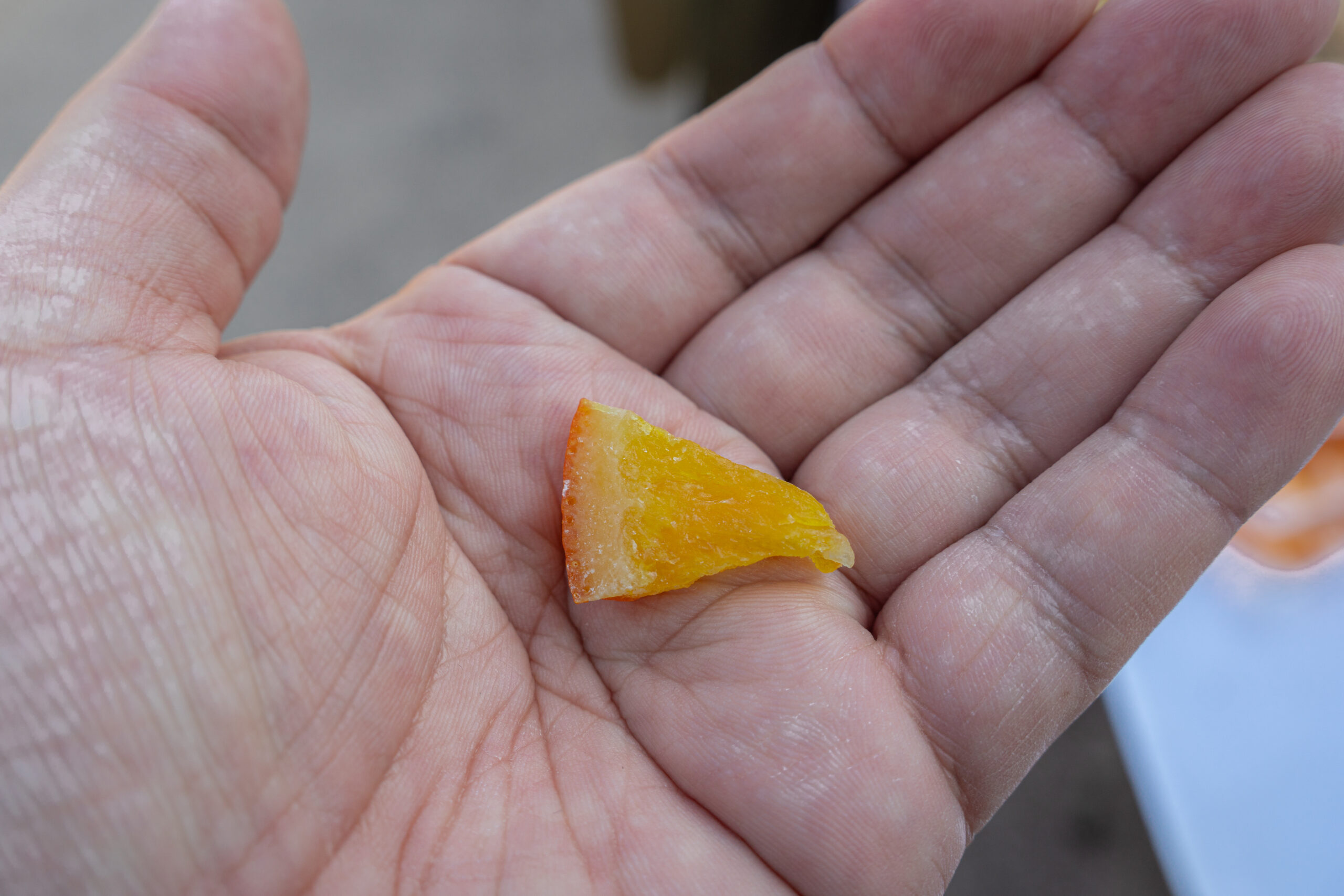
A dried fruit specialty shop based in Oita City, Oita Prefecture, built around a philosophy of offering healthy, wholesome products. The shop carries dried fruits and healthy snacks made without additives or artificial coloring. Its lineup ranges from common fruits like orange, kiwi, tomato, and mango to more unusual varieties — and I have to admit, I sampled quite a lot (laughs).
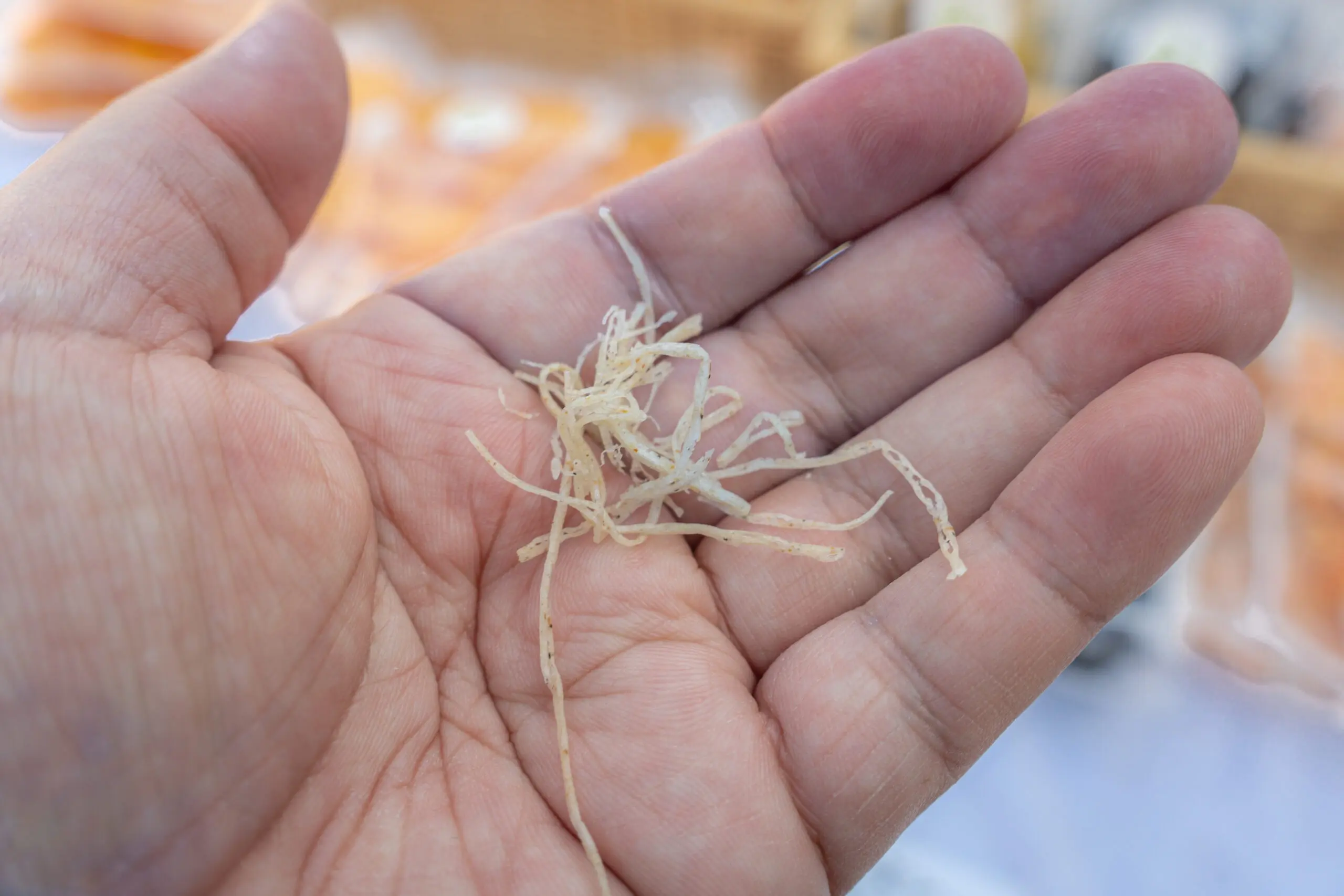
The shop also offers healthy dried seafood snacks, such as “tororo chirimen” (shredded kelp with baby sardines) and “kisu no hone senbei” (dried whiting bone crackers). Rich in calcium, these make for perfect snacks or drinking accompaniments. I picked up the two varieties pictured here.
The Beppu Hells (Jigoku Meguri)
Shiraike Jigoku (White Pond Hell)
Shiraike Jigoku is one of the famed “hells” that make up Beppu’s Jigoku Meguri circuit in Oita Prefecture, and it has been designated a National Site of Scenic Beauty. Set within a traditional Japanese garden, it takes its name from the way its naturally colorless hot spring water turns a pale, milky blue as it surfaces and cools in temperature and pressure.
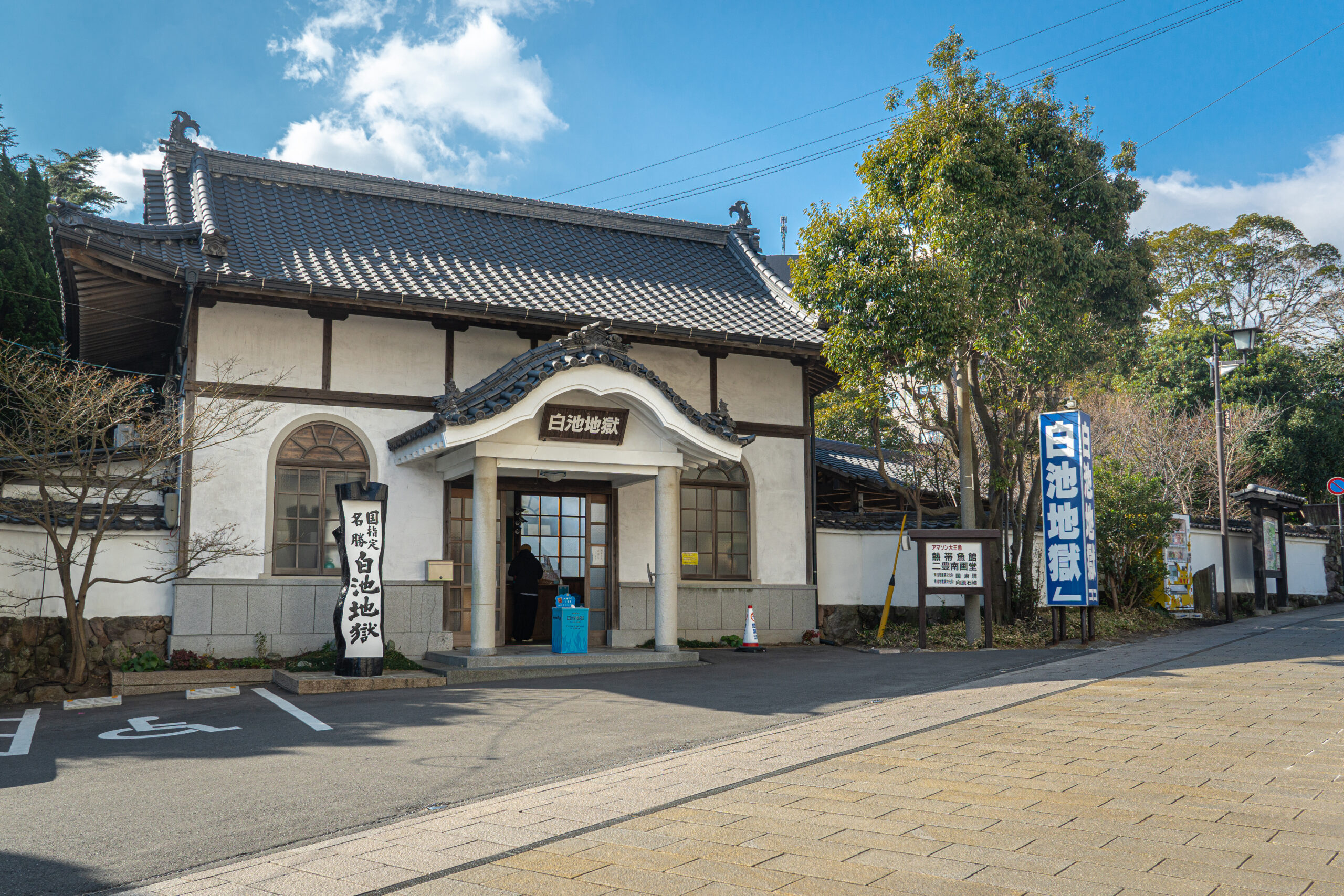
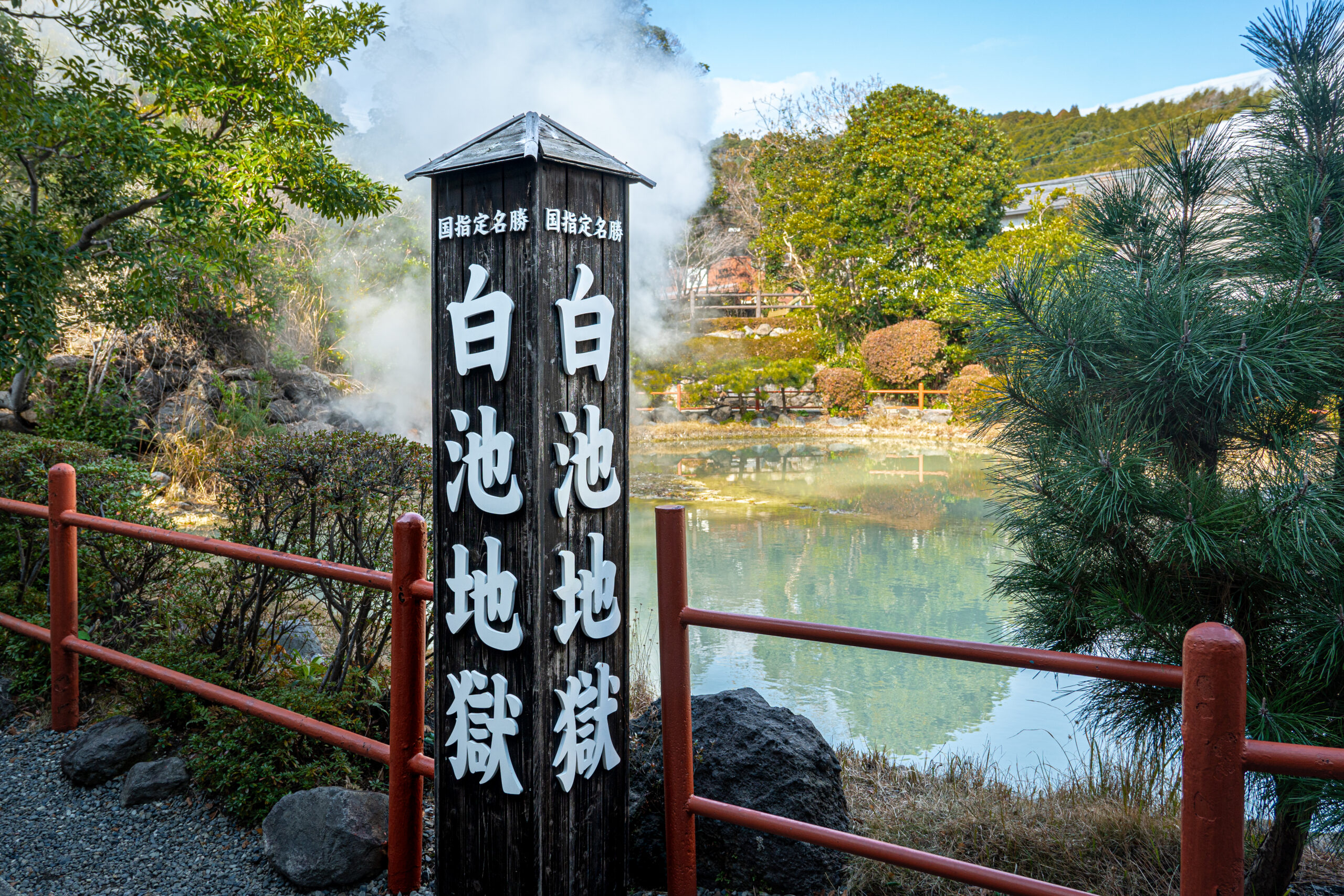
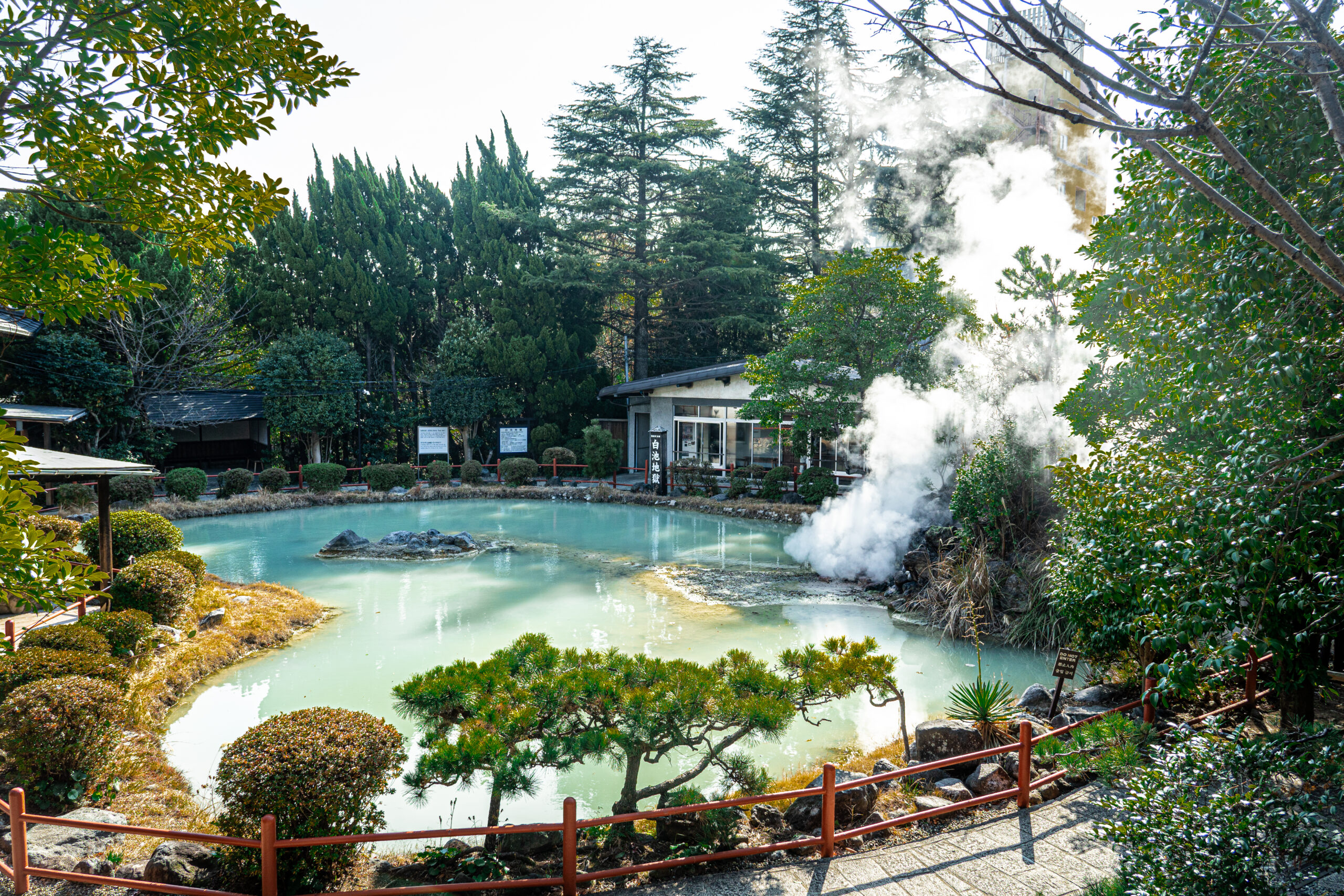
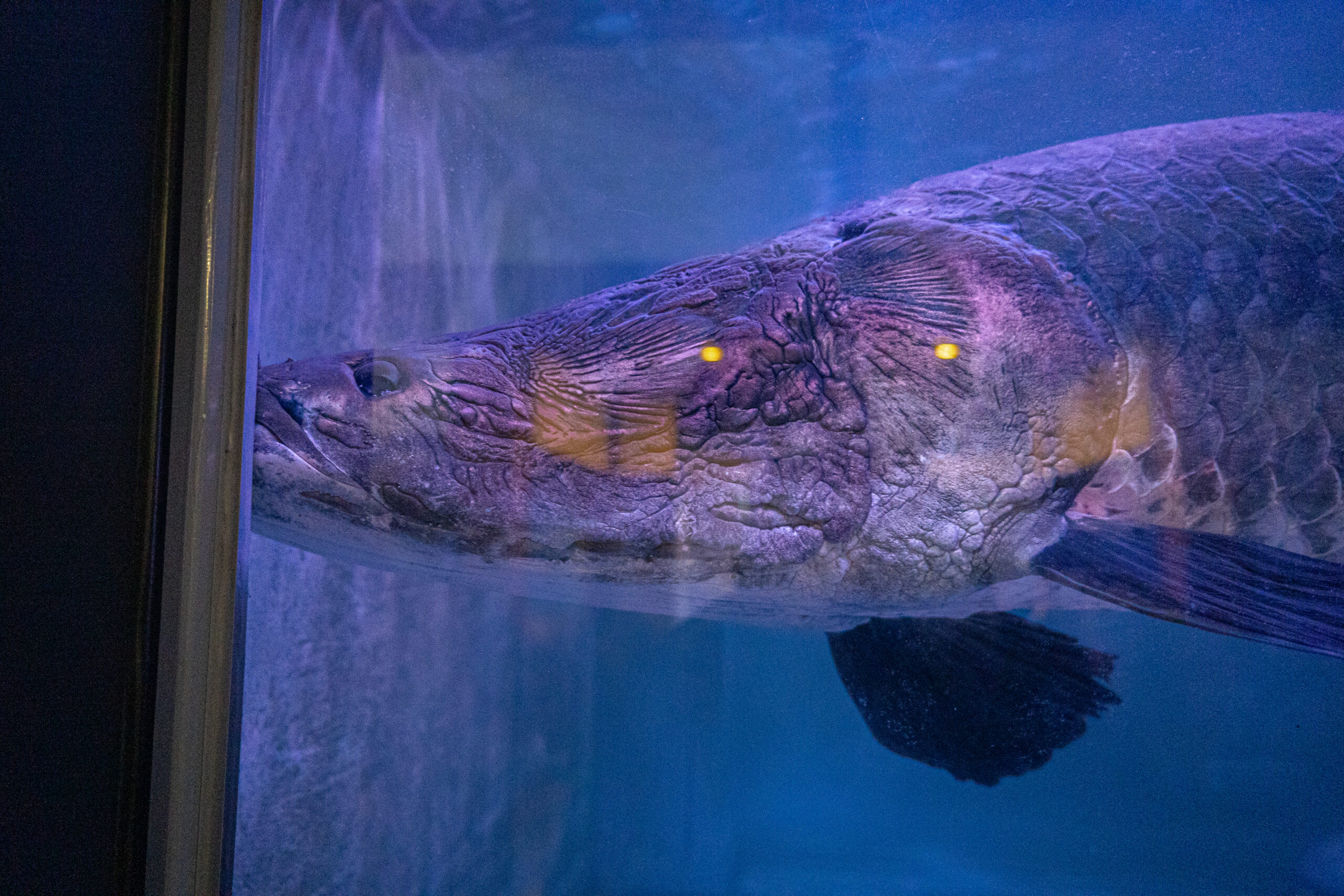
The grounds also include a tropical fish exhibit, home to around 20 species of tropical fish, including the giant Amazonian arapaima, piranhas, and arowana.
Kannawa Ginza-dori
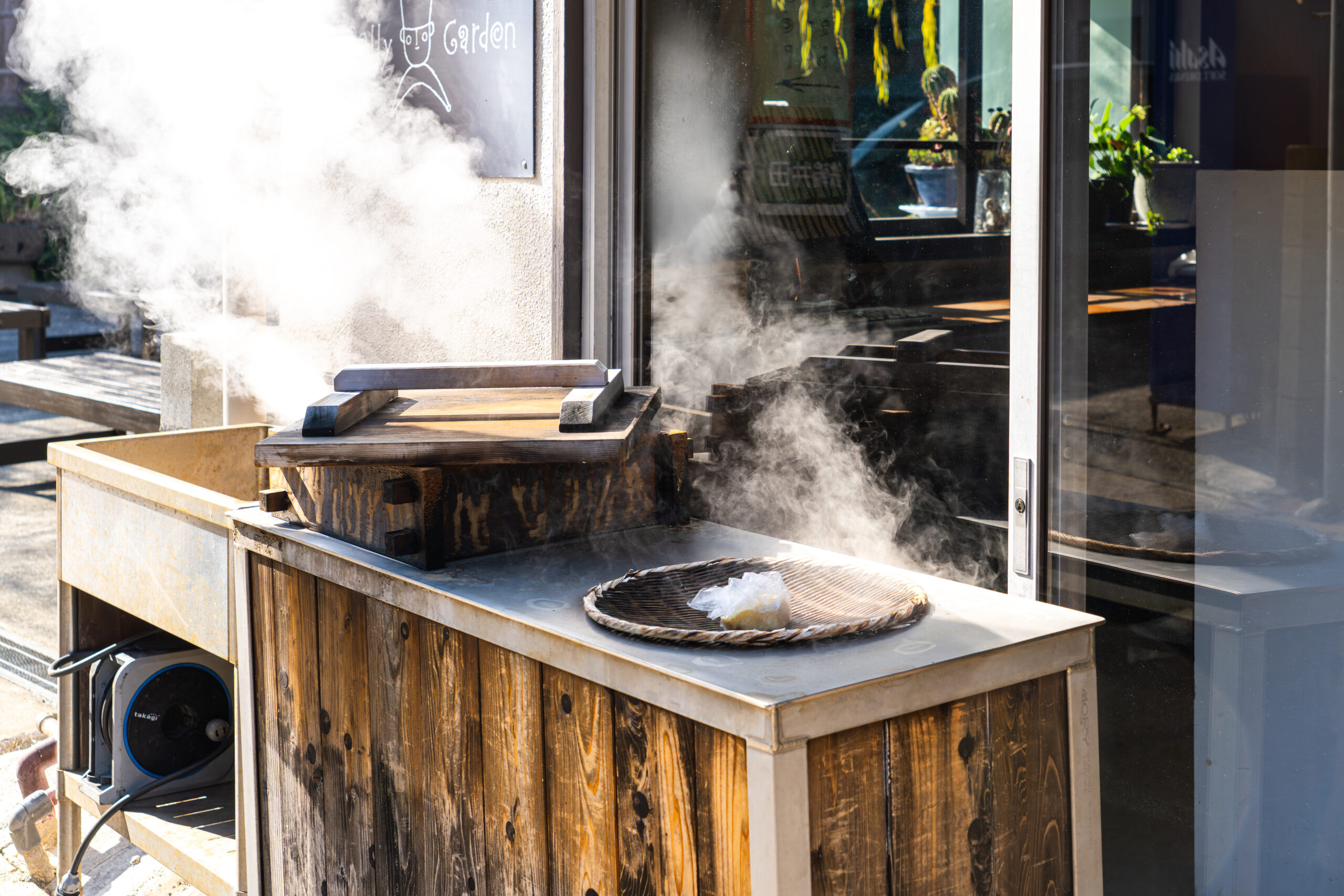
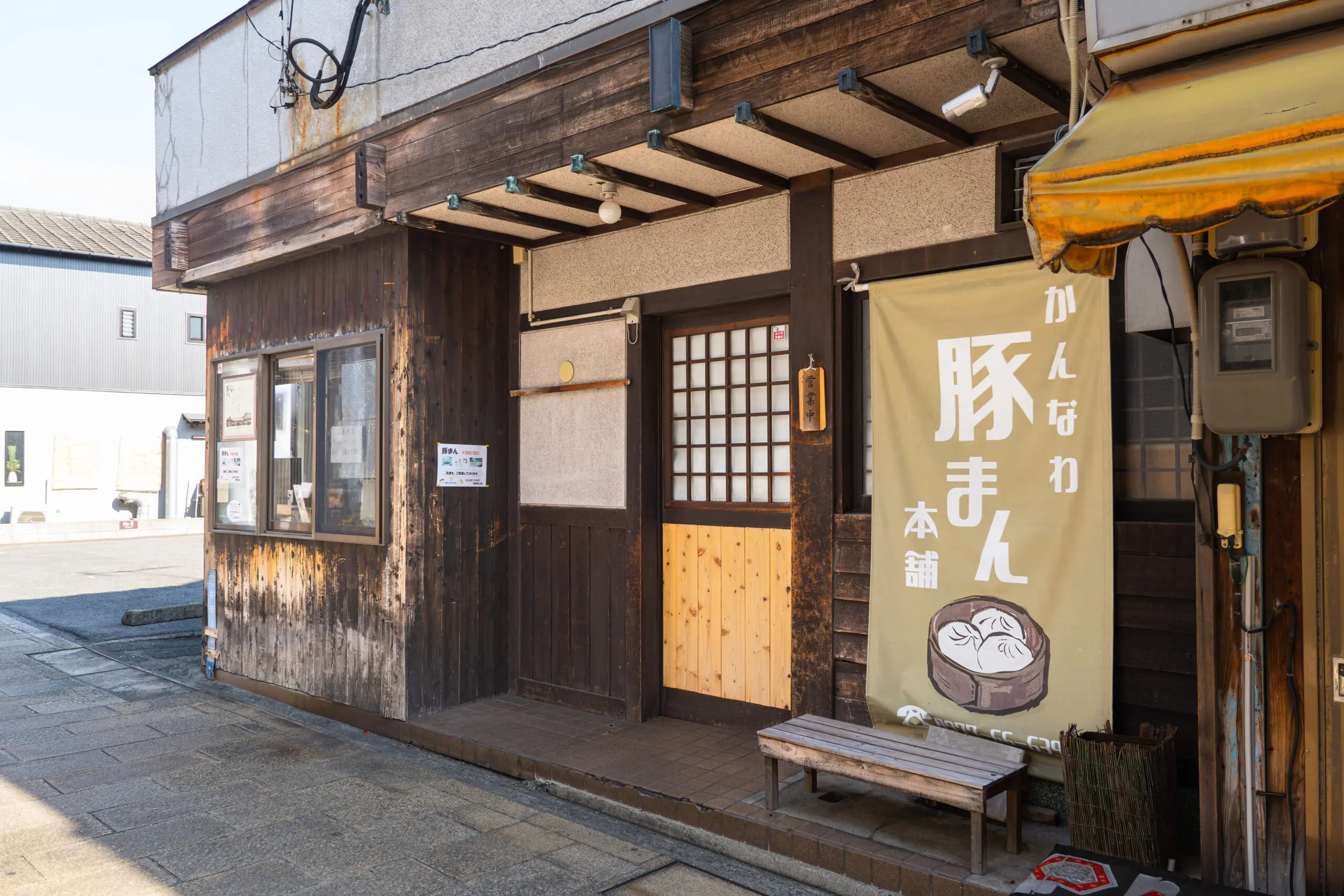
Kannawa Ginza-dori is home to a number of unique food spots built around jigoku-mushi steaming. Shops offering chiffon cake and steamed pork buns are especially worth seeking out.
Sally Garden no Yado Toji Yanagiya
A traditional toji (hot-spring cure) inn with roots stretching back to the Meiji era. The property features facilities where guests can experience Kannawa’s signature jigoku-mushi steaming, along with the adjoining Italian restaurant, “Otto e Sette Oita.”
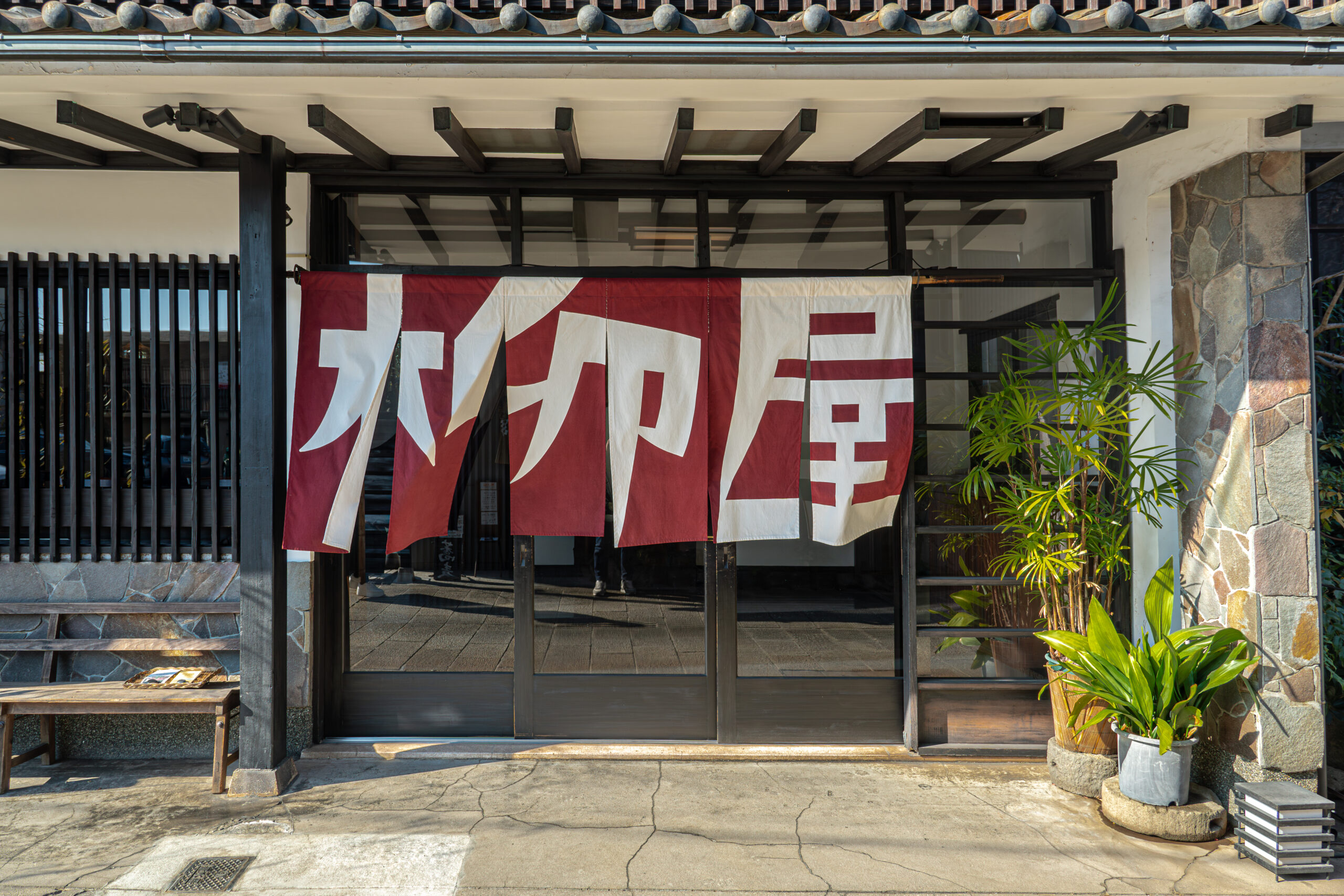
Otto e Sette Oita
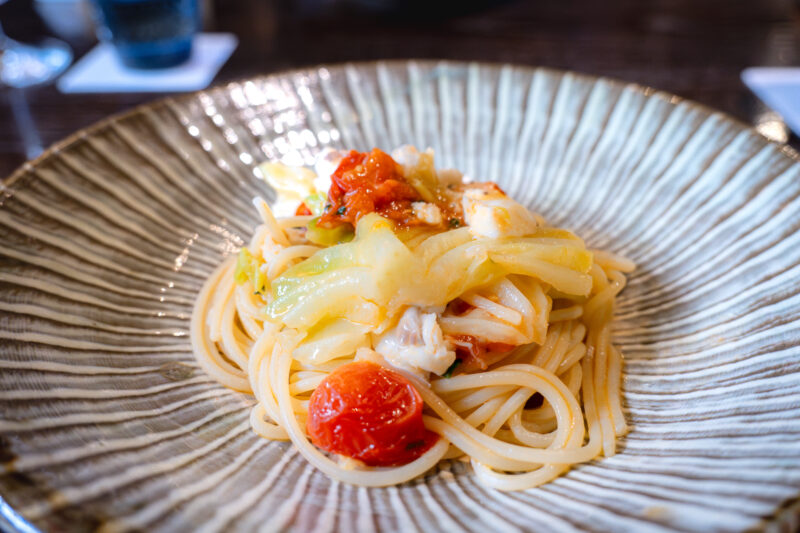
This restaurant serves what might be called “jigoku Italian” — cuisine that draws on ingredients from Oita Prefecture and the steam of the hot springs, letting guests enjoy the region’s fresh seafood and mountain produce through techniques like jigoku-mushi steaming.
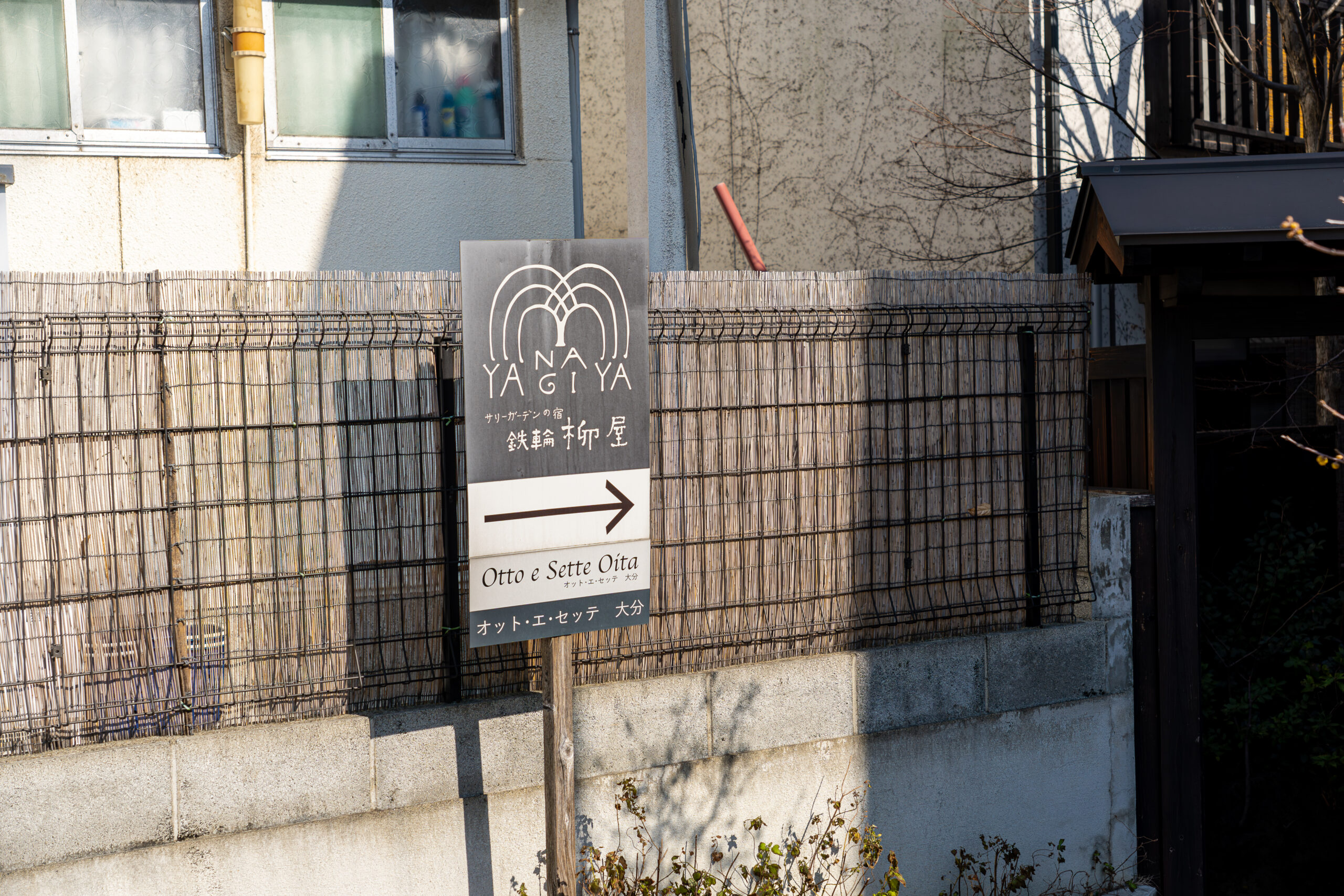
Read more about Otto e Sette Oita here:
- TAGS