CONTENTS
About Chinese Restaurant Fureika
Concept
Situated in a quiet residential area of Azabu-Juban, Tokyo,
“Chinese Restaurant Fureika” is well known as a distinguished destination for high-end Chinese cuisine, especially popular for business entertaining. It is a unique establishment that blends the traditions of Chinese cooking with the refined and delicate hospitality unique to Japan.
The concept is “Inheritance and Innovation of Tradition.”
While preserving the fundamentals of authentic Chinese cuisine, the restaurant takes a distinctive approach to ingredient quality and pairing, establishing a modern and sophisticated style.
Ingredients are carefully selected, both domestic and imported, with menus designed to highlight the seasons.
The space features an opulent interior adorned with Chinese artworks and furnishings, creating a setting that is both elegant and warmly inviting.
During lunch, live performances of Peking opera music enhance the sense of a special occasion.
About the Executive Chef
Heading Fureika’s kitchen is Executive Chef Shi Lan.
Born in Suzhou, adjacent to Shanghai, he came to Japan when Fureika first opened and has been here for 23 years. He began as a staff member in charge of Shanghai cuisine, and now serves as Executive Chef overseeing both the Cantonese and Shanghai teams.
Fureika has two separate kitchens—Shanghai cuisine on the first floor and Cantonese cuisine on the second—each operated with high specialization.
Chef Shi unites the two teams, skillfully pursuing Chinese cuisine that respects tradition while continuing to evolve.
At its opening, Fureika drew attention for its groundbreaking system of bringing in entire teams of authentic professionals from China, including dim sum chefs, cold dish chefs, wok masters, and roasting specialists.
Working alongside these experts, the restaurant continues to serve authentic yet delicately refined Chinese cuisine.
Commitment to Dim Sum
Separate from the main kitchen, Fureika has a dedicated dim sum kitchen staffed by eight dim sum chefs.
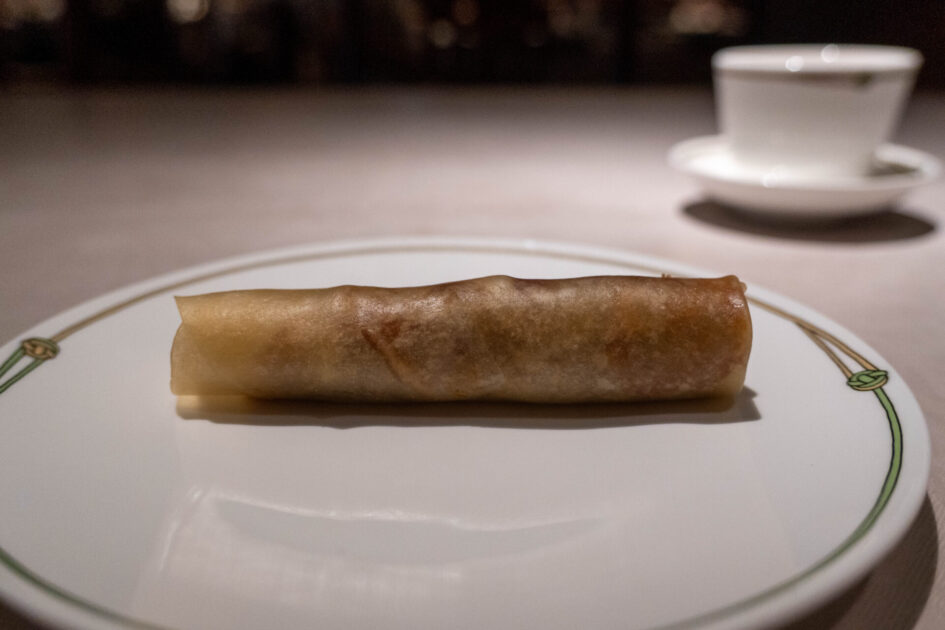
They employ a variety of techniques—steaming, baking, frying—and prepare delicate dim sum daily, each piece carefully hand-wrapped.
Among the specialties, the xiaolongbao, jade dumplings, and har gow are made with uncompromising attention to the thinness of the skin and precise cooking, showcasing professional mastery.
Each piece has a deep umami flavor yet remains light, beautifully complementing the course flow.
As a grand maison-style Chinese restaurant, devoting such resources and skilled artisans to dim sum is rare.
“Worth visiting for the dim sum alone” is praise the restaurant truly deserves.
Restaurant Accolades
Renowned as a fine dining destination in Azabu-Juban, Tokyo, “Chinese Restaurant Fureika” has long been celebrated for its prestigious setting and outstanding cuisine.
It has earned one Michelin star in the Michelin Guide Tokyo for three consecutive years from 2023 to 2025, continuously received the Silver ranking in the Tabelog Awards since 2018, and has been selected multiple times for the “Chinese Cuisine TOKYO Top 100,” underscoring its proven excellence.
Reviews highlight its “luxurious interior,” “flawless Chinese cuisine,” and “serene atmosphere ideal for business entertaining,” making it a distinguished restaurant where flavor, ambiance, and service all deliver a deeply satisfying experience.

Dining Prelude
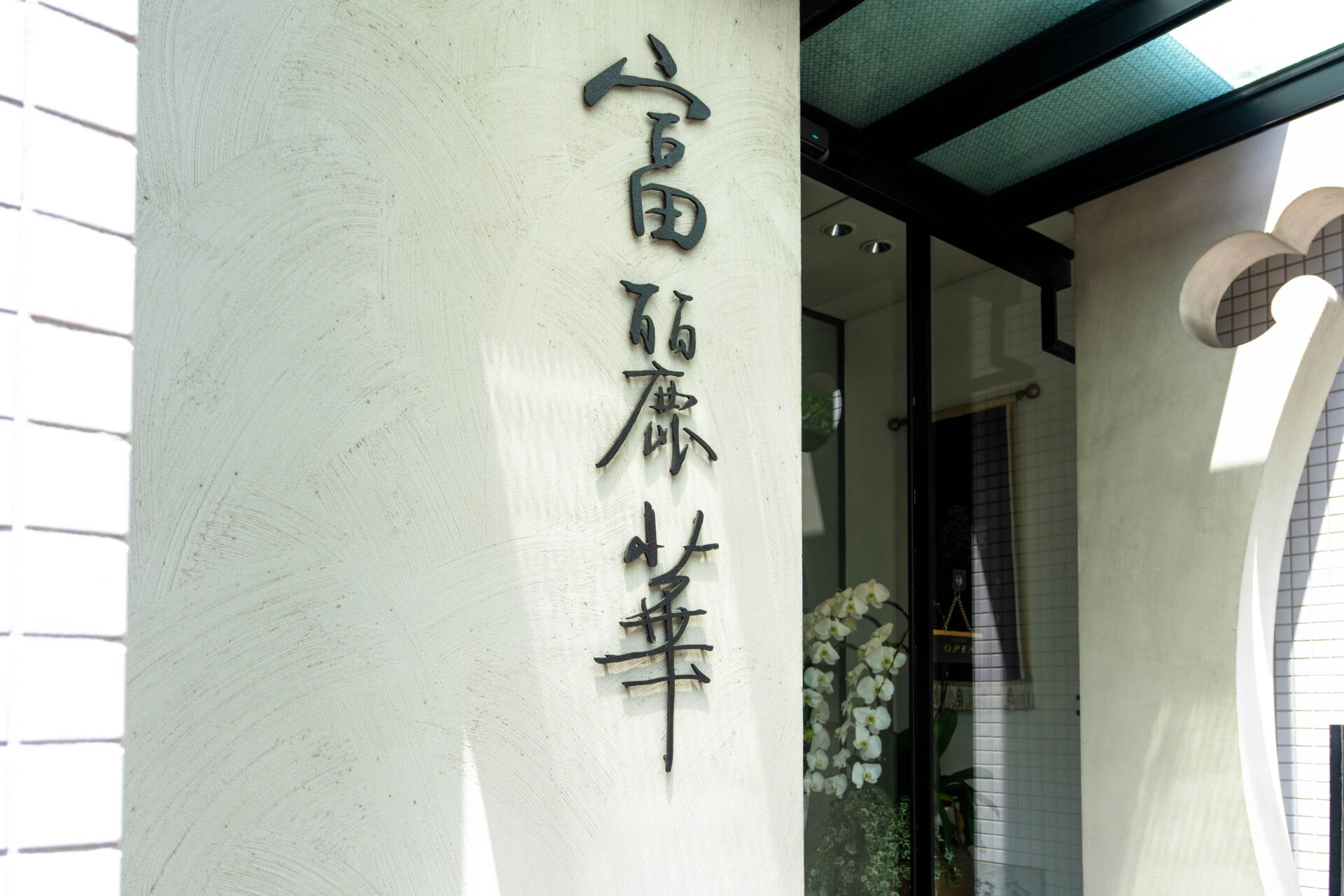
Exterior & Entrance
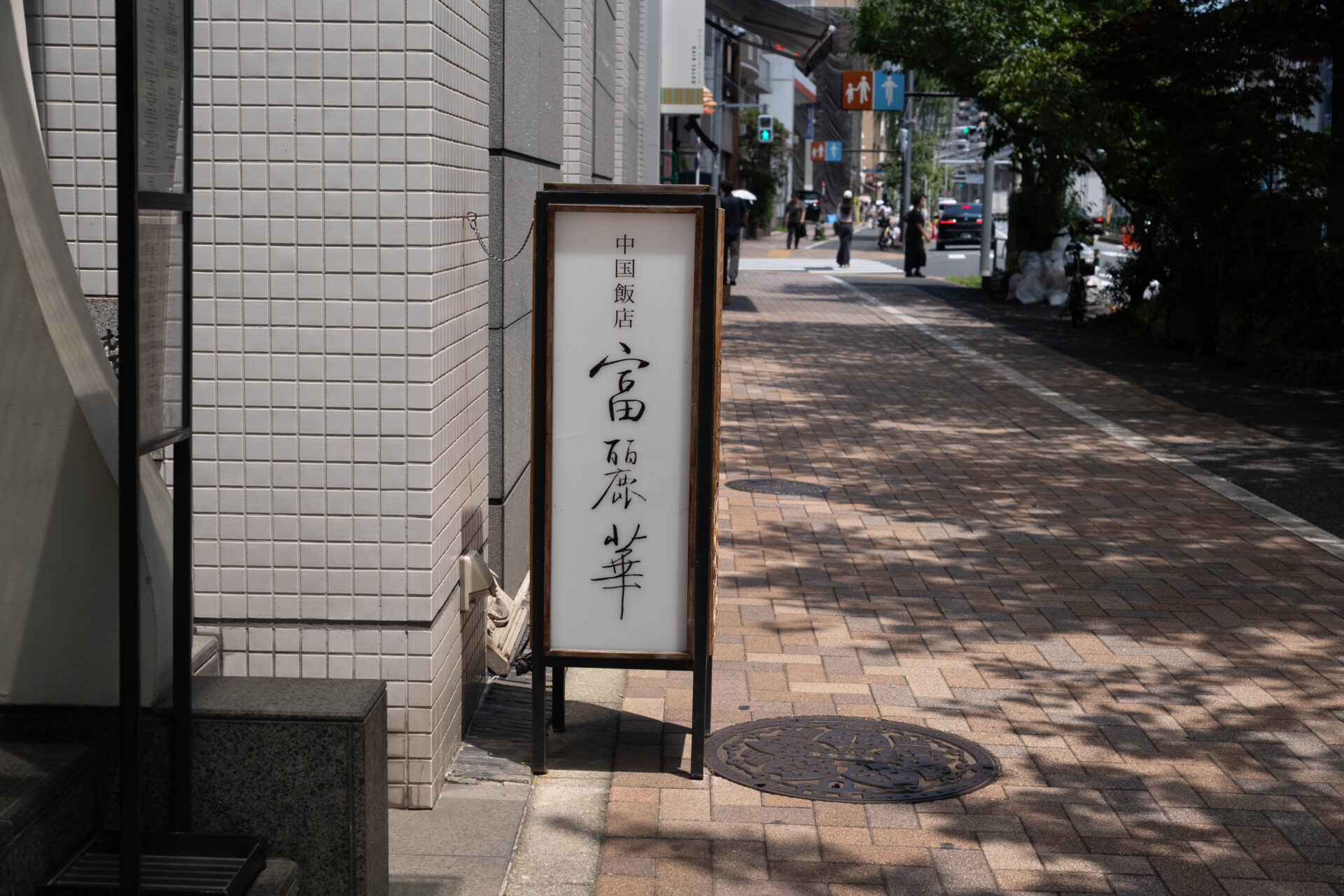
Just a short walk from Azabu-Juban Station, along a busy main road, stands “Chinese Restaurant Fureika.”
The white walls adorned with its name in bold calligraphy make for a striking yet composed façade.
Despite its location in a bustling area, the exterior remains understated yet dignified, enough to make passersby stop and take notice.
Stepping through the glass doors, you find yourself in a serene space far removed from the outside noise.
At your feet is a stone slope carved with a dragon relief.
Such meticulous attention to detail quietly signals that this is no ordinary Chinese restaurant.
Dining Space
On this visit, I was shown to the main dining room on the first floor, where the Shanghai cuisine team displays their skill.
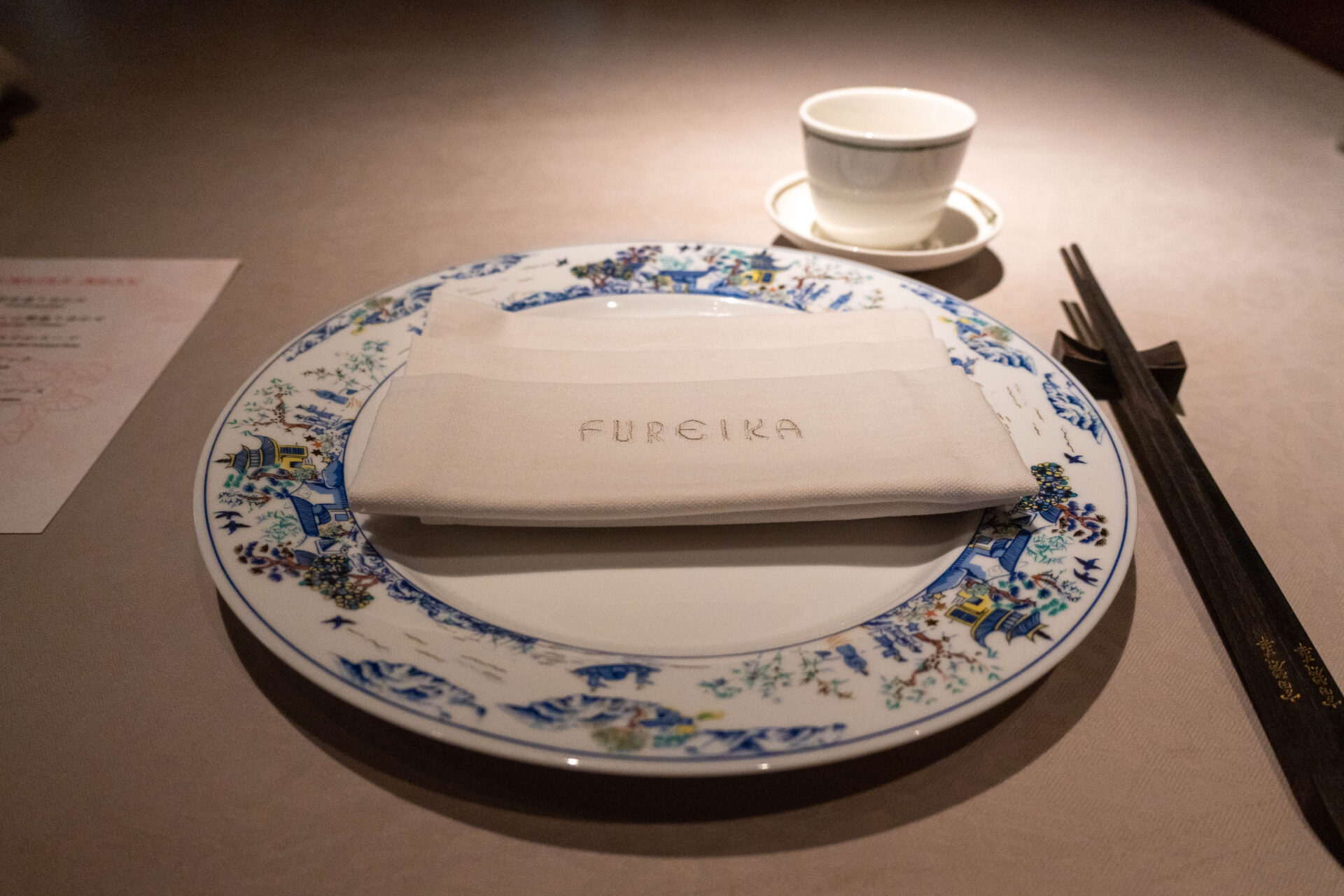
The space features deep wood tones, latticework, carvings, and ceramic accents, combining Eastern aesthetics with modern refinement in a modern-classic atmosphere.
At the center, symbolic greenery blends with soft lighting, creating an ambiance that makes you forget the city’s hustle.
The tables are set with crisp white cloths and delicate teaware, and even the staff’s gestures convey quiet elegance.
Though open seating rather than private rooms, the well-spaced tables and thoughtful sightlines allow for comfortable conversation.
The result is a space of soft luxury, equally suited for business entertaining and private dining.
Menu Presentation
This time, I enjoyed a course featuring Peking Duck as the main dish.
While usually available only for two or more diners, I was informed that for an additional fee, a single portion with two pieces of duck could be arranged, and I requested this special option.
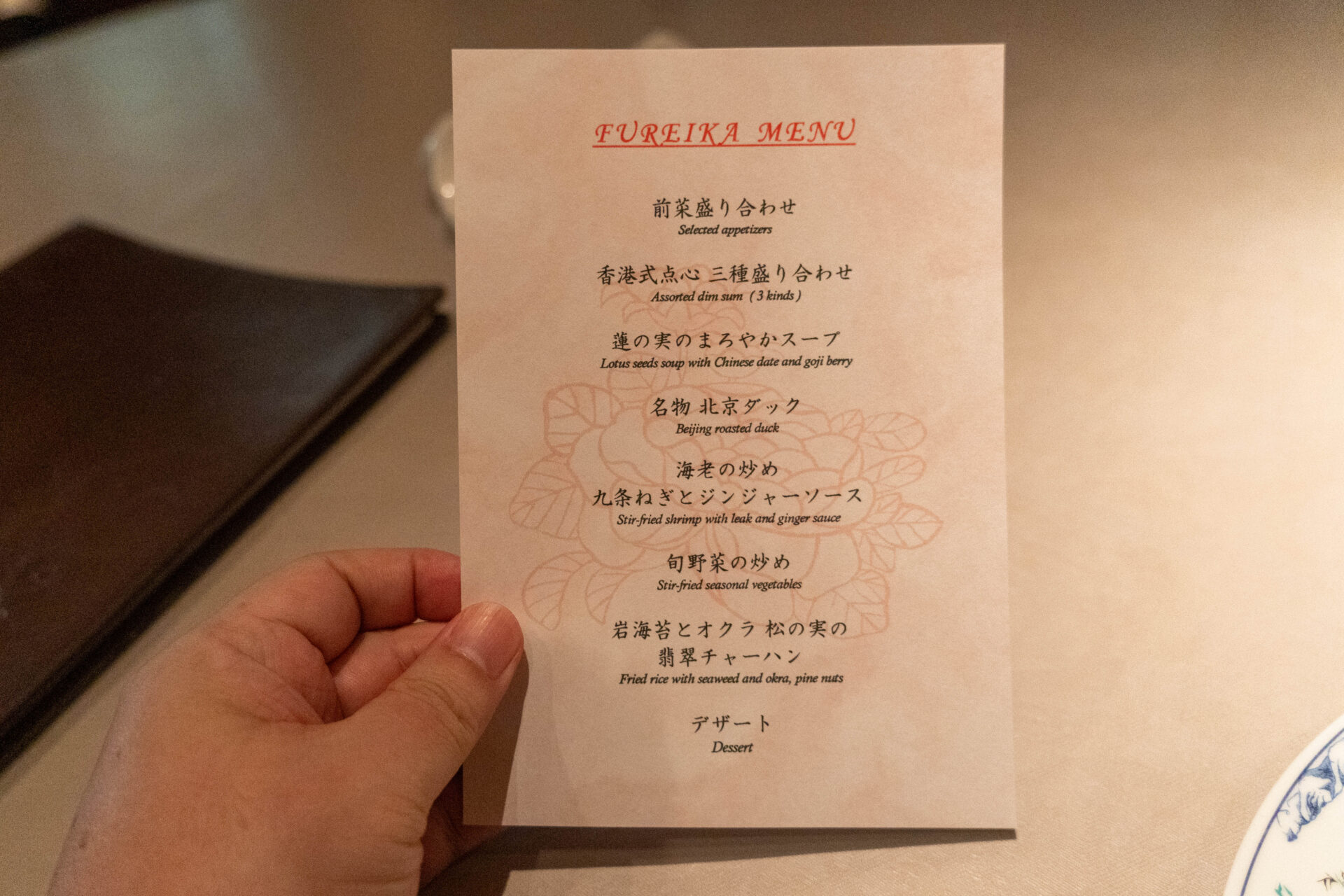
The course included nine dishes, from appetizers to stir-fried items, fried rice, and dessert.
Each was carefully crafted to highlight seasonal flavors and the essence of the ingredients, striking a perfect balance between tradition and sophistication throughout the meal.
The menu was presented on refined soft-pink paper, with both Japanese and English descriptions.
It was easy to understand at a glance, reflecting consideration for overseas guests.
While authentic, the atmosphere was not overly formal, allowing first-time guests to feel at ease.
The menu itself reflected Fureika’s spirit of hospitality.
Starter Drink
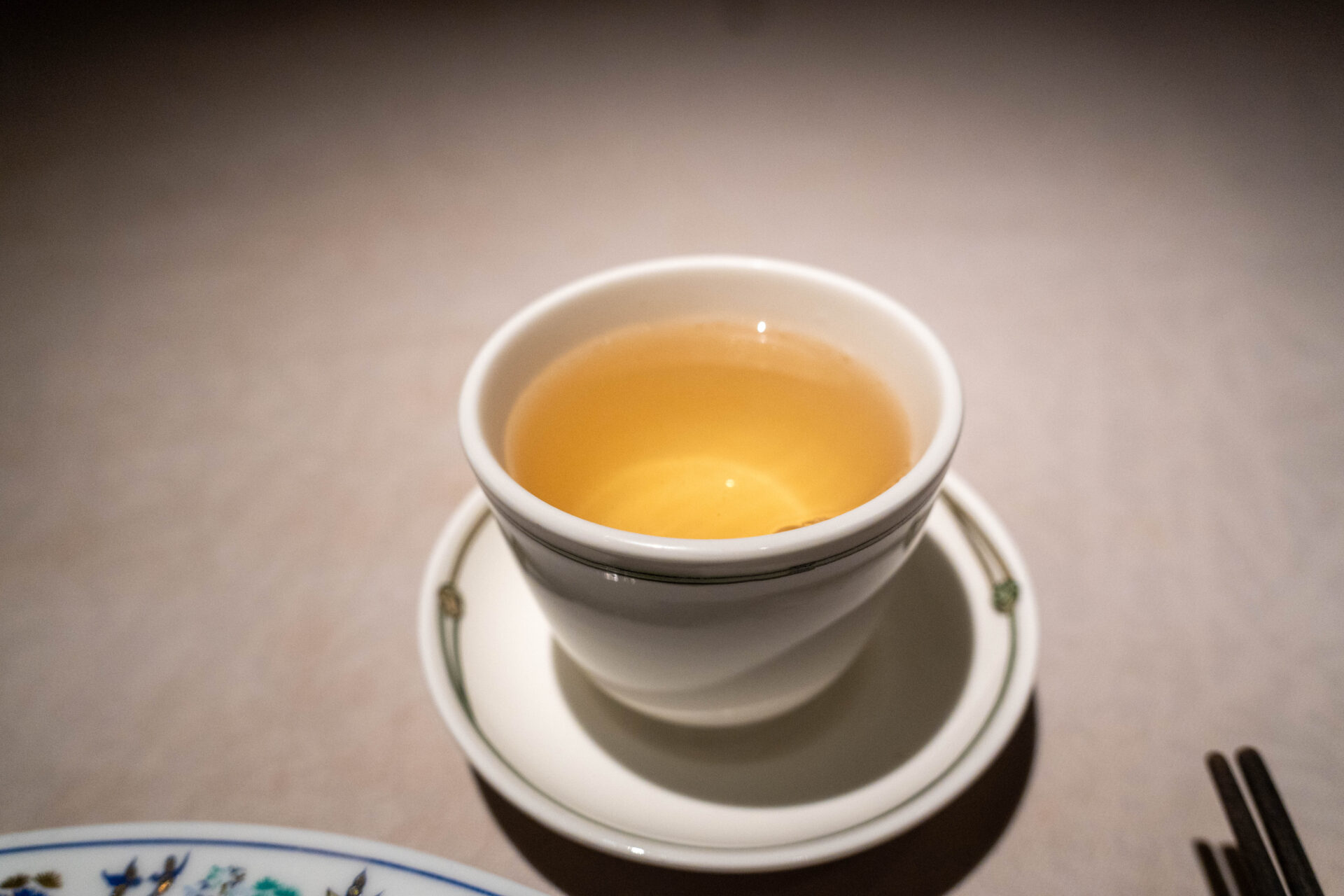
To begin the meal, I ordered Moli Longzhu Huacha (Jasmine Dragon Pearl Tea).
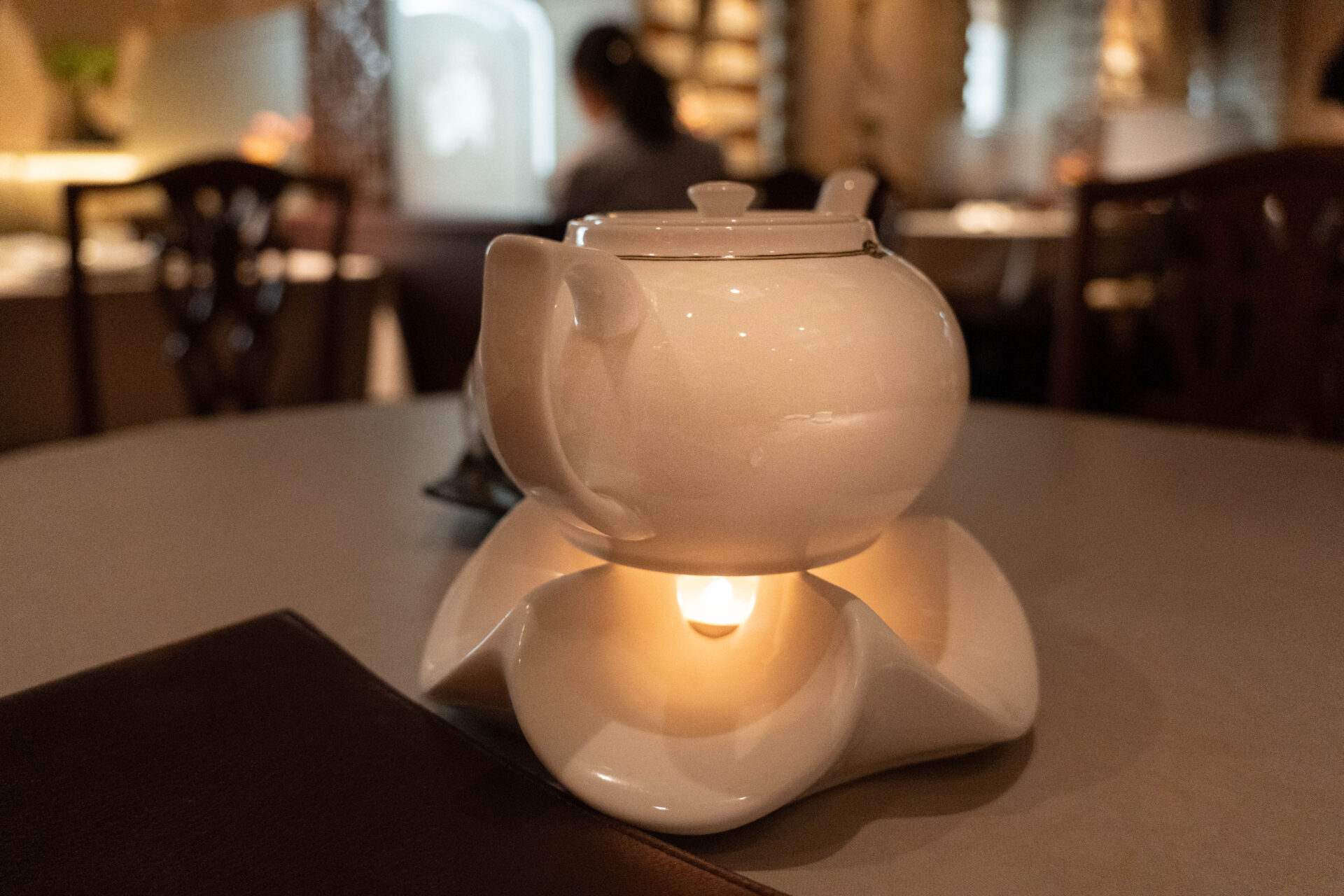
Rolled jasmine tea leaves gradually release their fragrance, served generously in a white porcelain pot, with a candle warmer at the center of the table keeping it at the perfect temperature.
The soft floral aroma and clean finish made it an ideal pre-meal drink, naturally calming the mind.
From the tea service to the careful gestures, the experience created a quiet prologue filled with pleasant anticipation before the first dish arrived.
Dishes Enjoyed
Assorted Appetizers
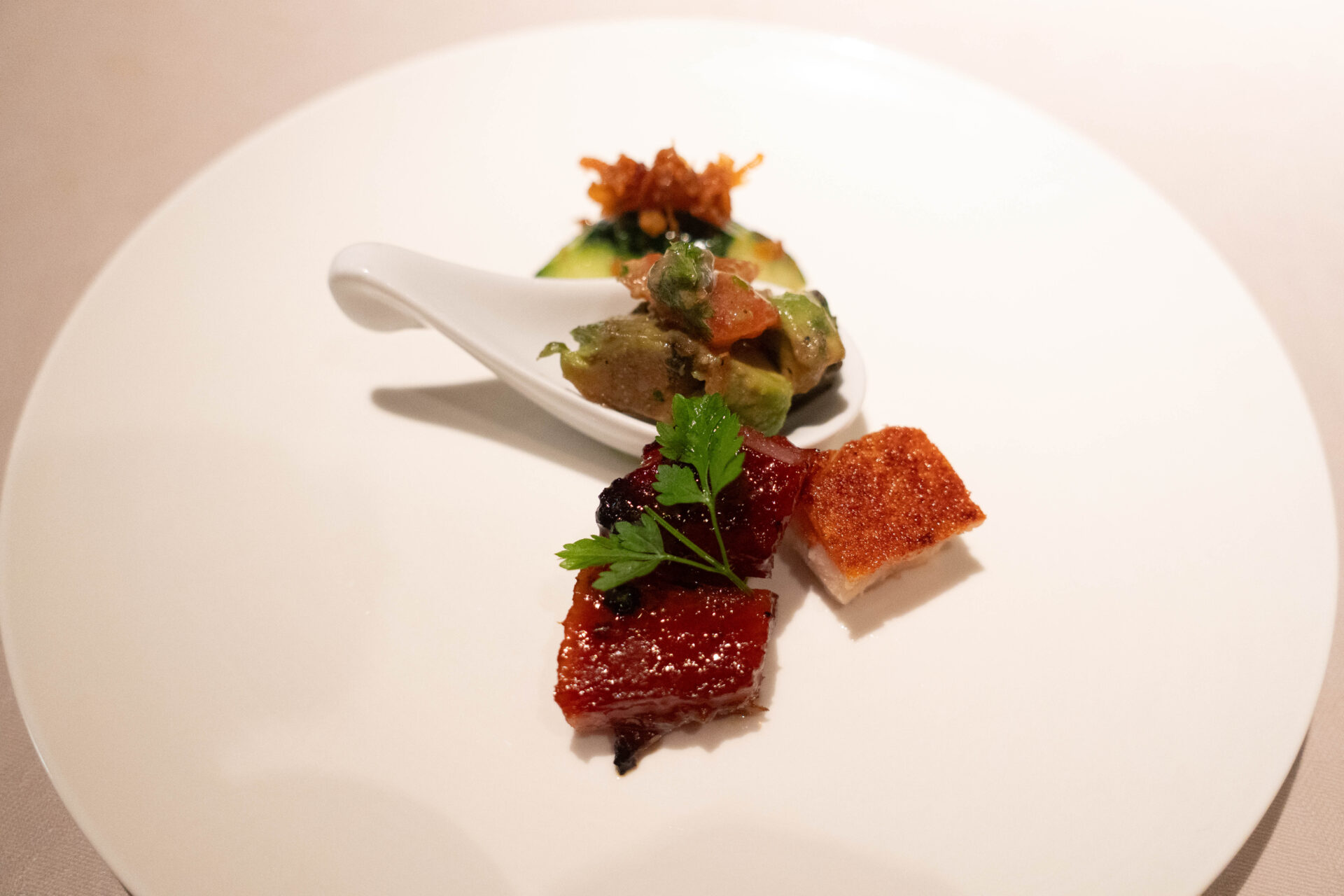
We began with a visually appealing assortment of three appetizers.
At the back, Cucumber with XO Sauce.
The crisp texture of cucumber is enhanced by the rich depth of XO sauce made with dried scallops and shrimp, gently stimulating the appetite.
In the center, Century Egg, Avocado, and Tomato Salad.
The rich century egg and creamy avocado are balanced by the gentle acidity of tomato, with a hint of cilantro adding complexity.
In front, Two Roasted Meats: crispy roasted pork belly and glossy Honey-Glazed Char Siu. Each offers a different sweet aroma and depth of flavor with every bite.
Overall, the combination of textures, aromas, and temperatures was exquisite, making it an excellent introduction to the course.
Hong Kong-Style Dim Sum Trio
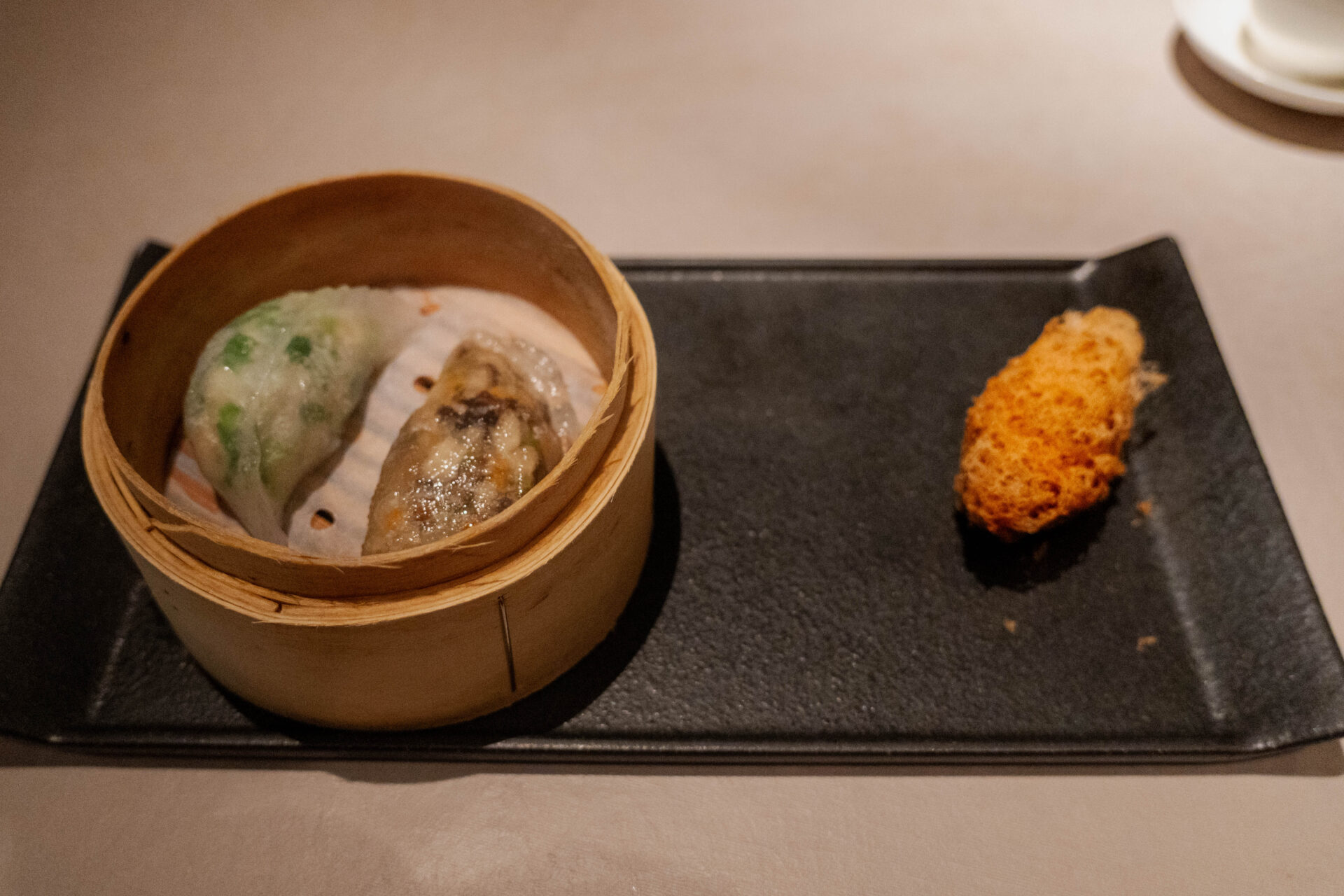
Next came a trio of Hong Kong-style dim sum.
This plate showcased the dim sum kitchen’s expertise in both steaming and frying.
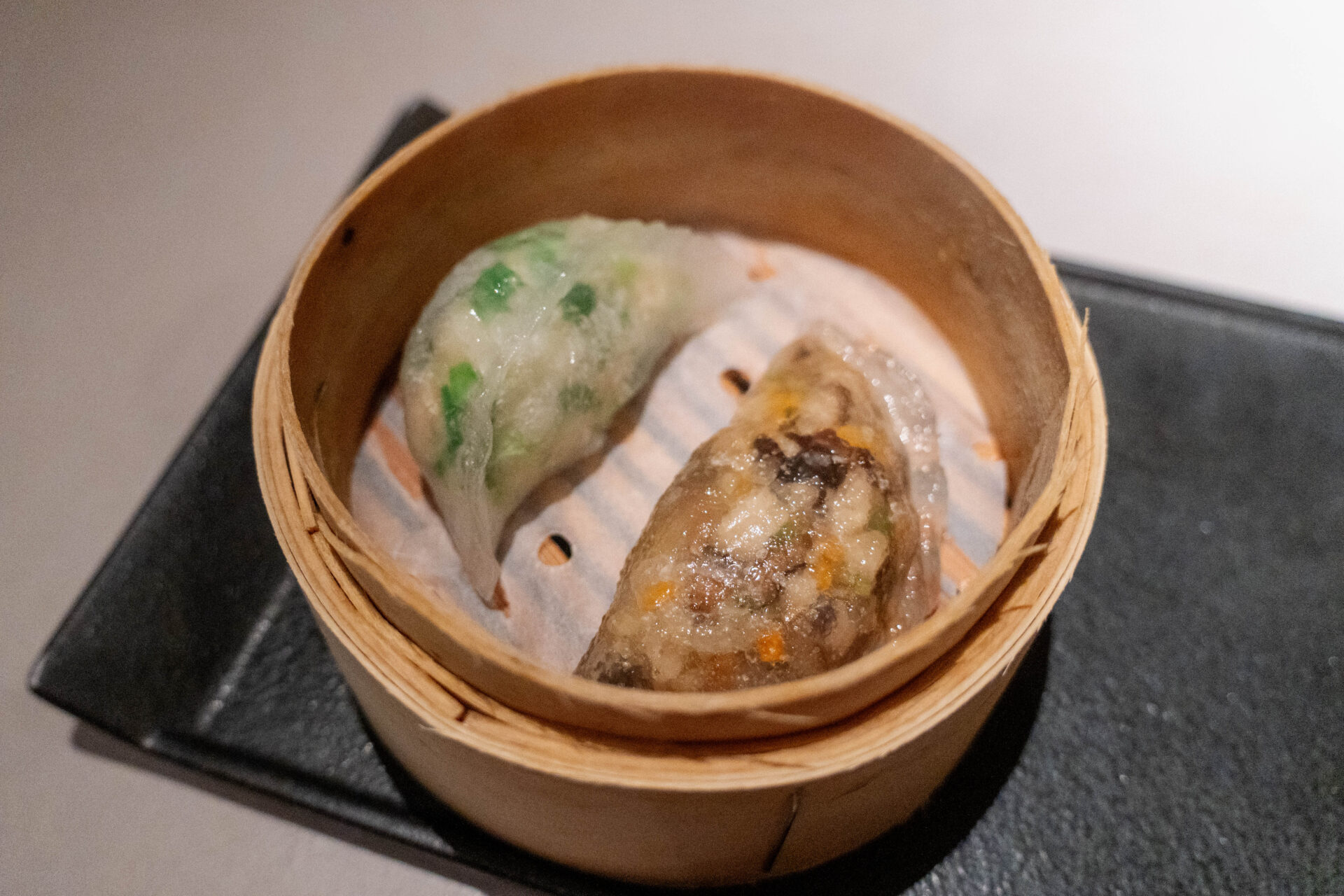
In the bamboo steamer on the left: Steamed Chive & Shrimp Dumpling and Steamed Dumpling with Seven Vegetables.
The former combines the umami of shrimp with the aroma of chives in a silky wrapper, offering a burst of flavor as soon as you bite in.
The latter features wood ear mushroom, shiitake, carrot, cilantro, and other vegetables, creating a complex yet delicate taste. Both are so well-seasoned that no soy sauce is needed.
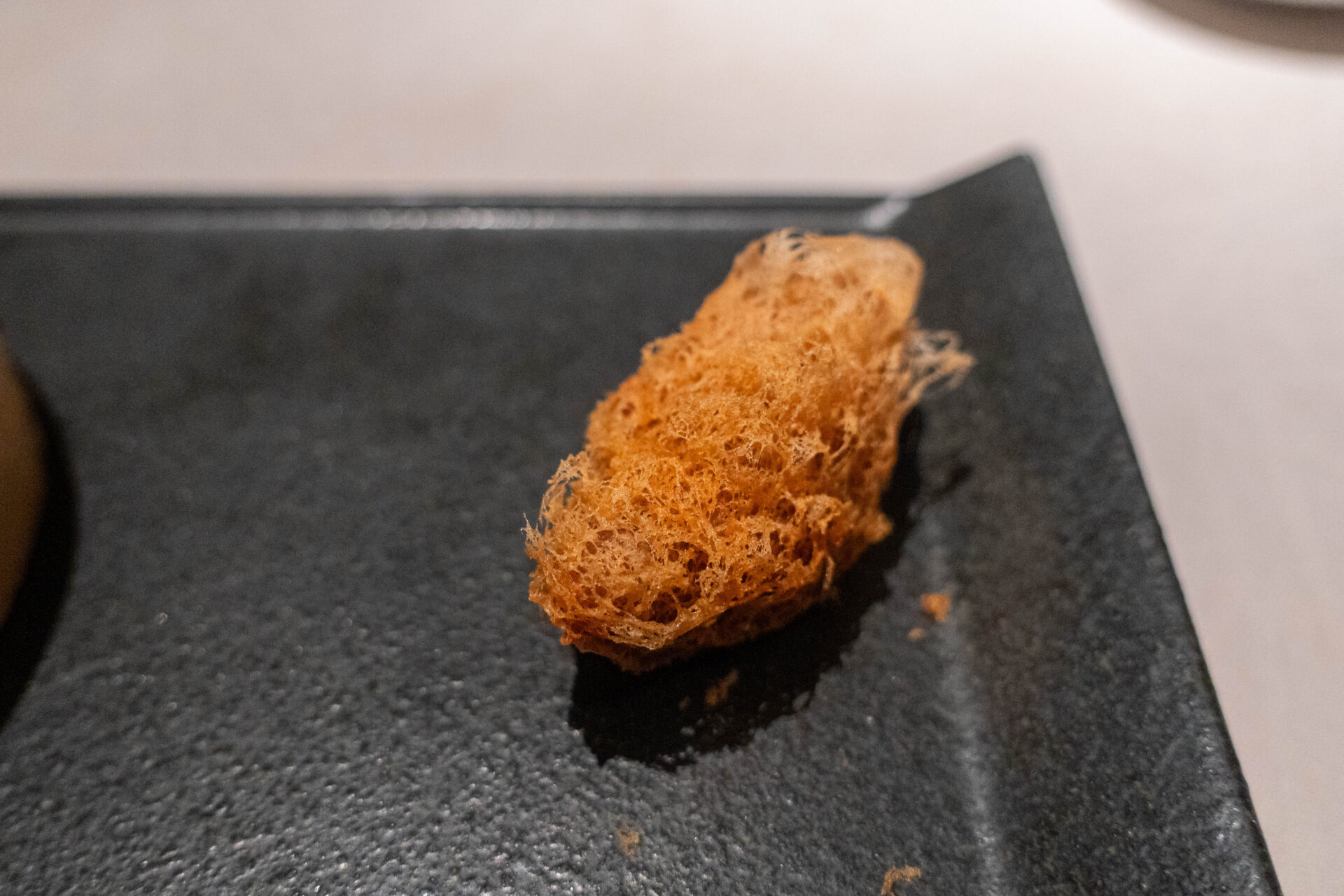
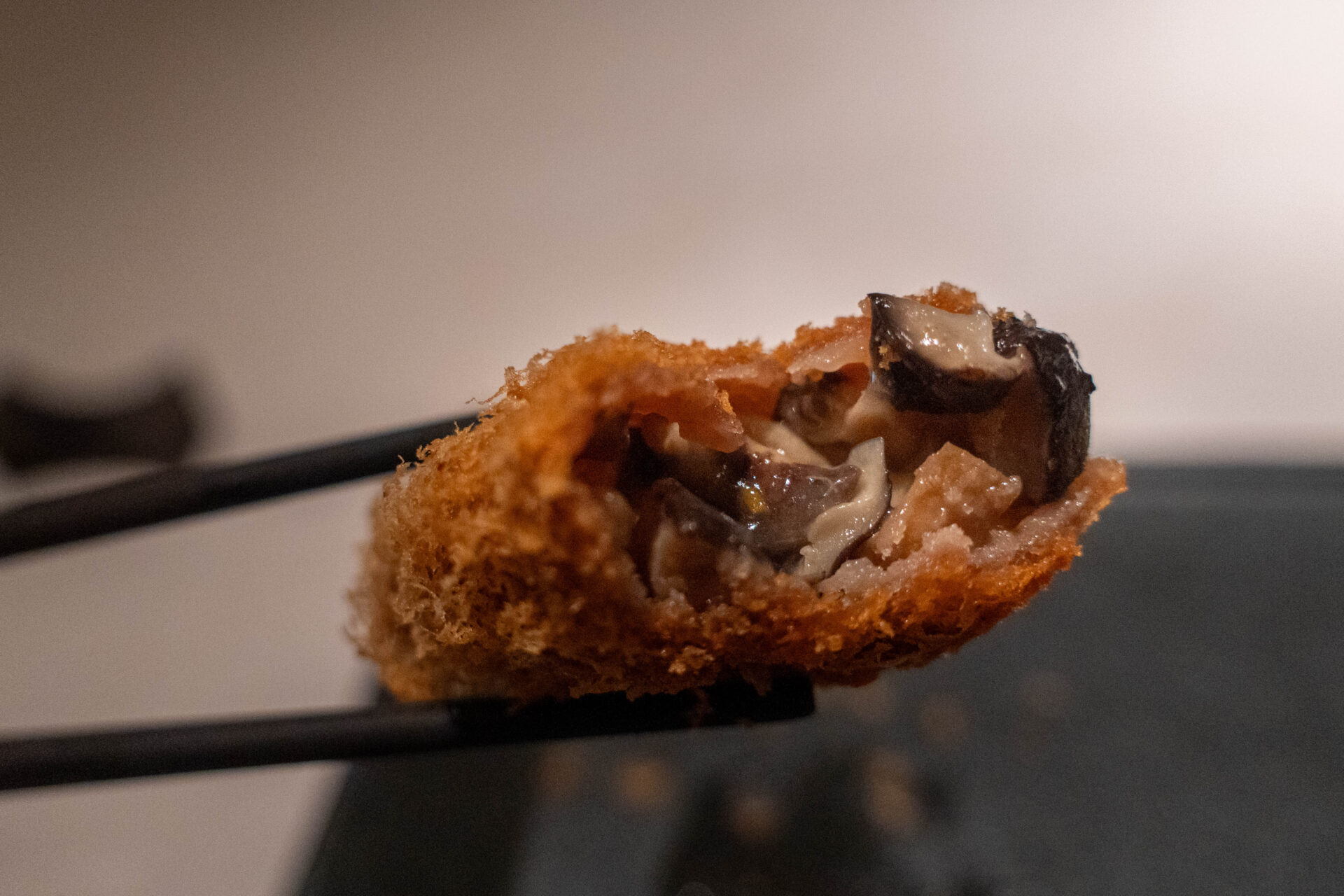
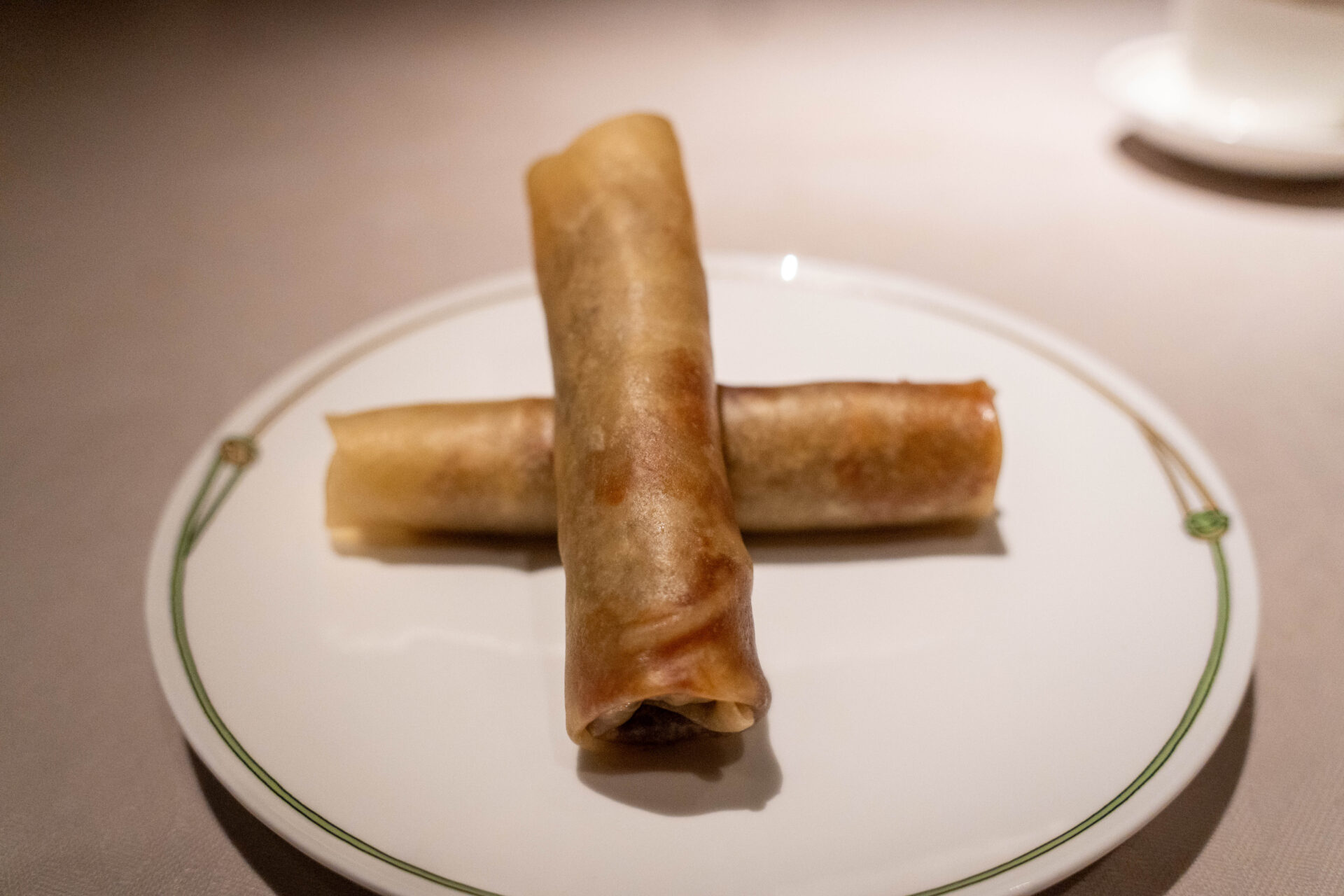
On the right: Deep-Fried Taro Dumpling.
The crisp coating is made with taro, enclosing a filling of king oyster mushrooms, shiitake, carrot, and pepper, sautéed for aromatic depth. Despite being fried, it is light, with a subtle sweetness from the taro and lingering vegetable umami.
This was a dish where the composition and execution could only be achieved by a restaurant with a dedicated dim sum kitchen.
Silky Lotus Seed Soup
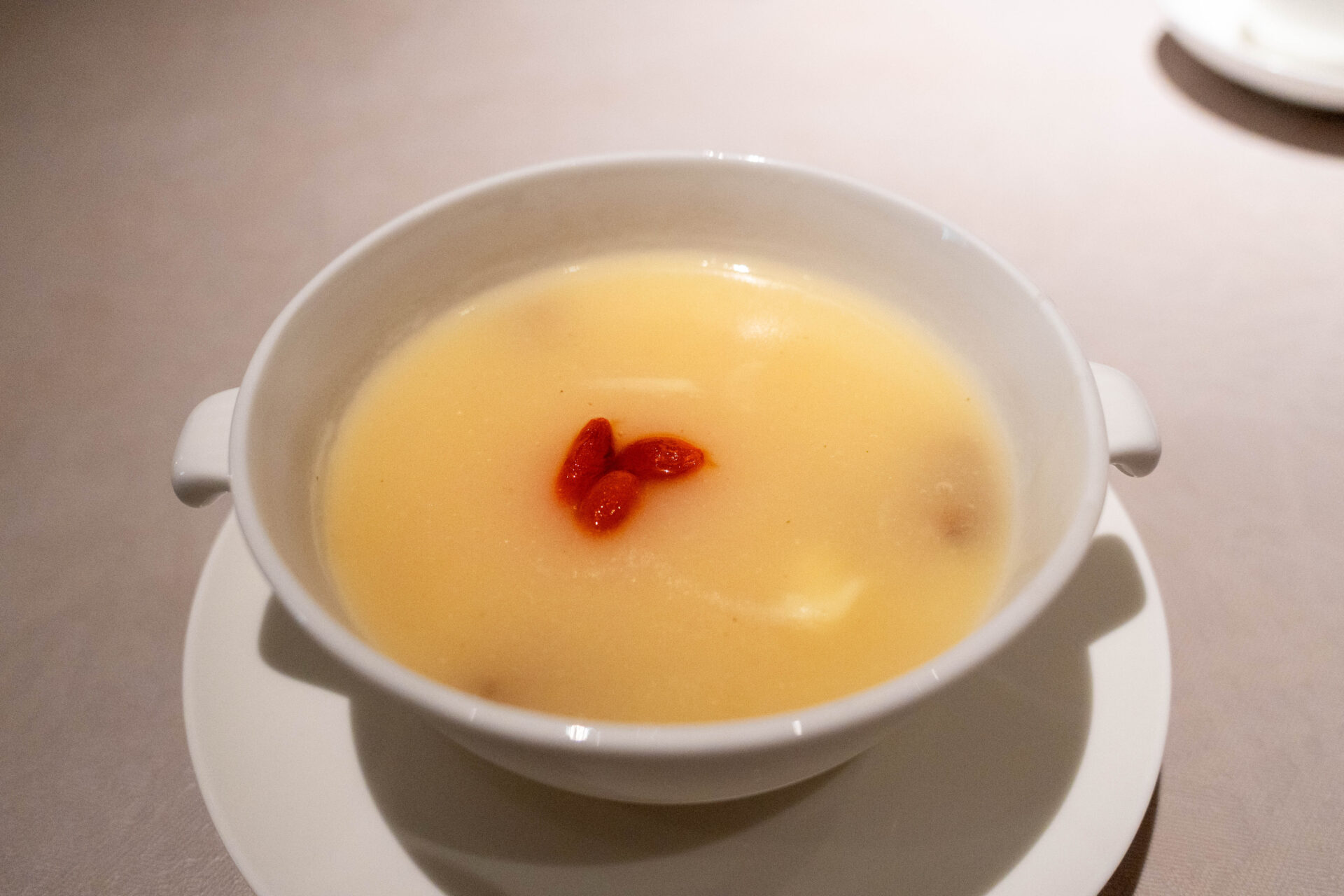
In the middle of the course came a warm soup made from lotus seeds carefully pureed to a silky texture.
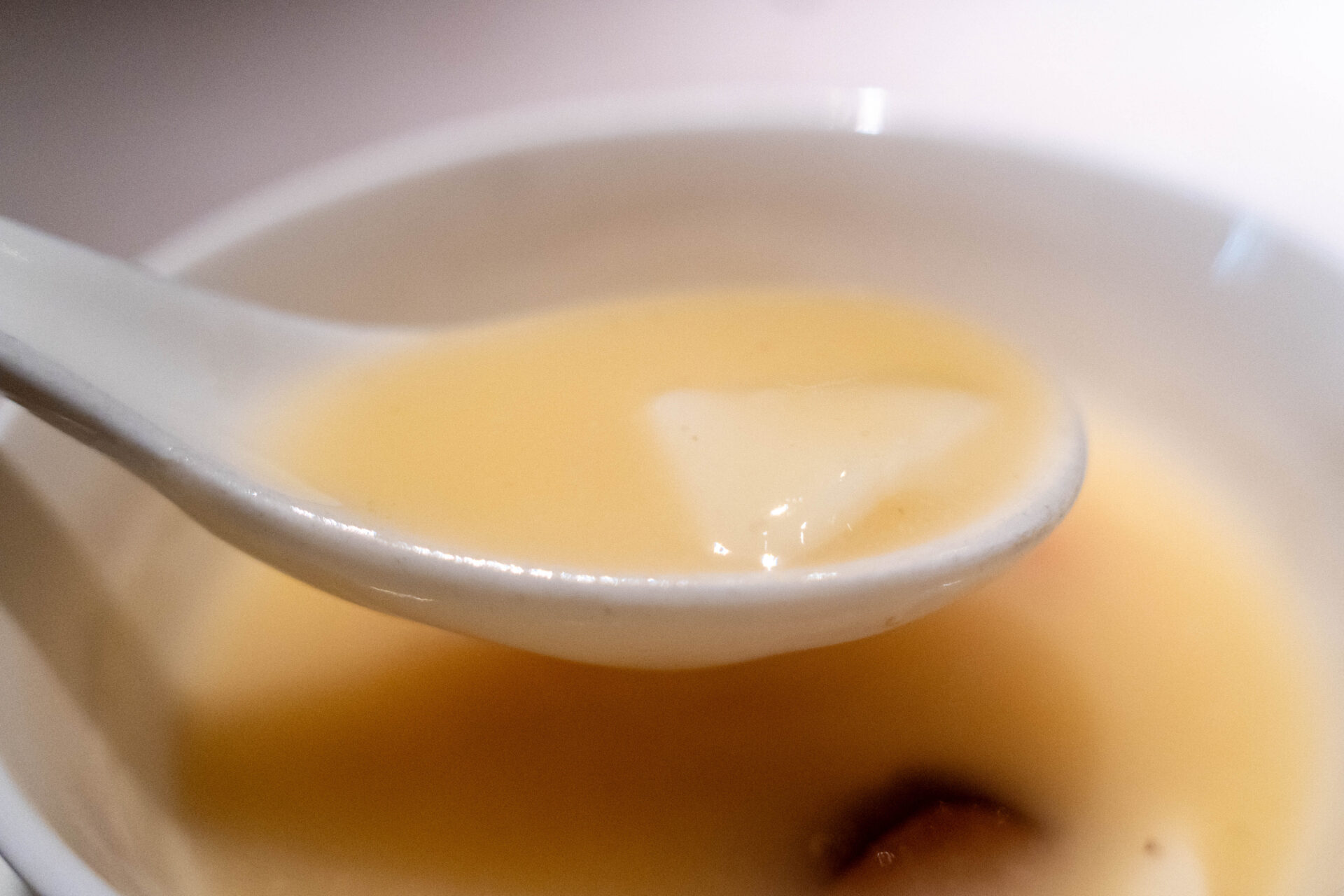
Goji berries floated on the surface, with lily bulb and jujube hidden inside.
The soup had a gentle, creamy mouthfeel, with the mild sweetness of lotus seed spreading softly.
The crisp texture of the lily bulb added a delicate accent, preventing the bean-based soup from becoming monotonous.
Calm and understated for a Chinese course, it reflected the art of restraint, drawing out the essence of the ingredients.
Signature Peking Duck
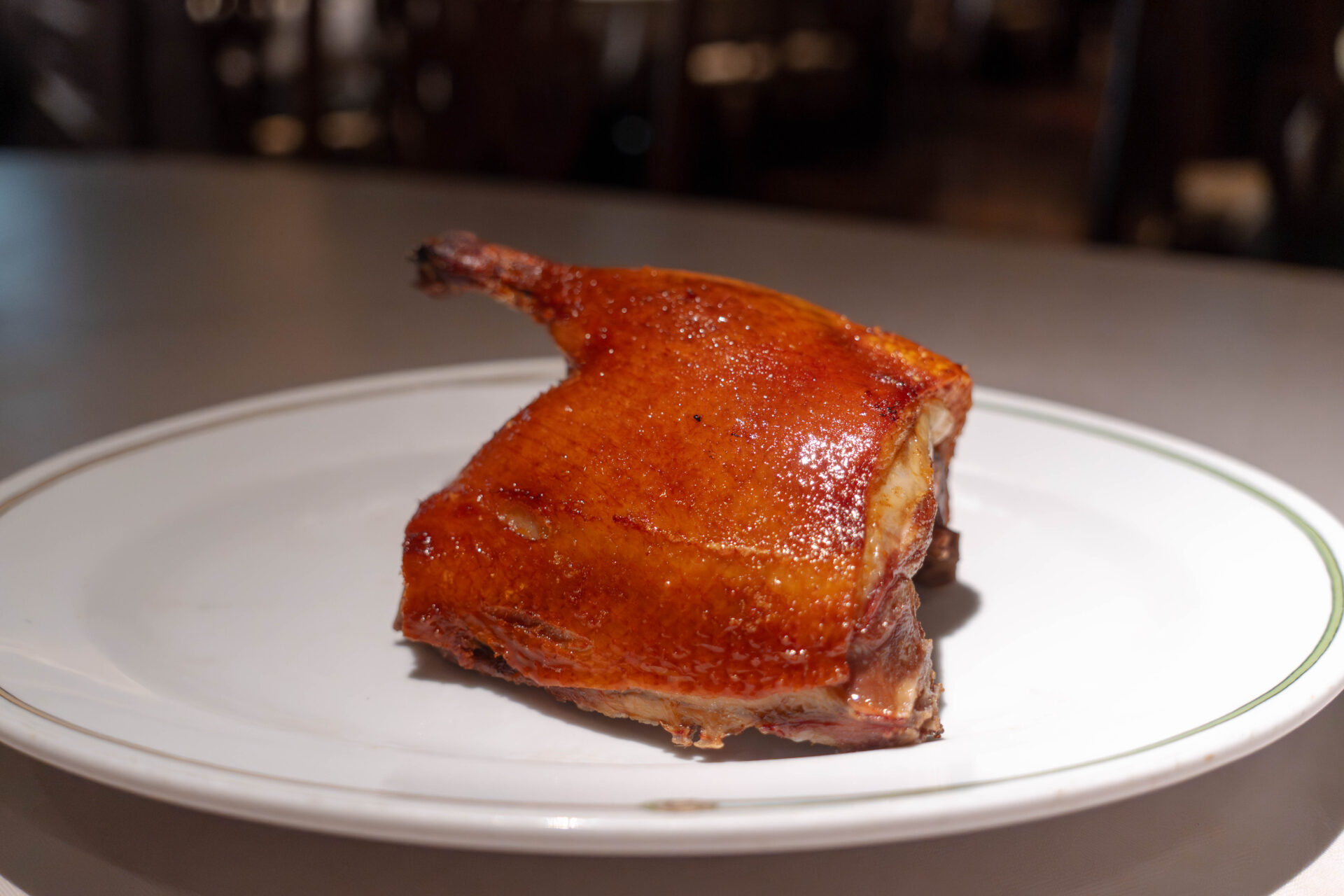
The highlight of Fureika, Peking Duck, arrived as the main dish.
The glossy amber skin was so beautiful that its mere arrival created a slight hush at the table.
The skin was crisp and light, with the meat releasing rich juices as you bite, combining savory depth with roasted aroma.
For the wrap, fresh shredded scallions and cucumber were provided, their crunch and freshness balancing the richness of the duck.
Although normally served for two or more, in this case, a single serving was specially arranged for an additional fee, with two pieces provided.
Such flexibility, ensuring satisfaction even for solo diners, is a hallmark of Fureika.
Perfect in roasting, aroma, texture, and presentation—a dish worthy of its reputation as the restaurant’s signature.
Sautéed Prawns with Kujo Scallions and Ginger Sauce
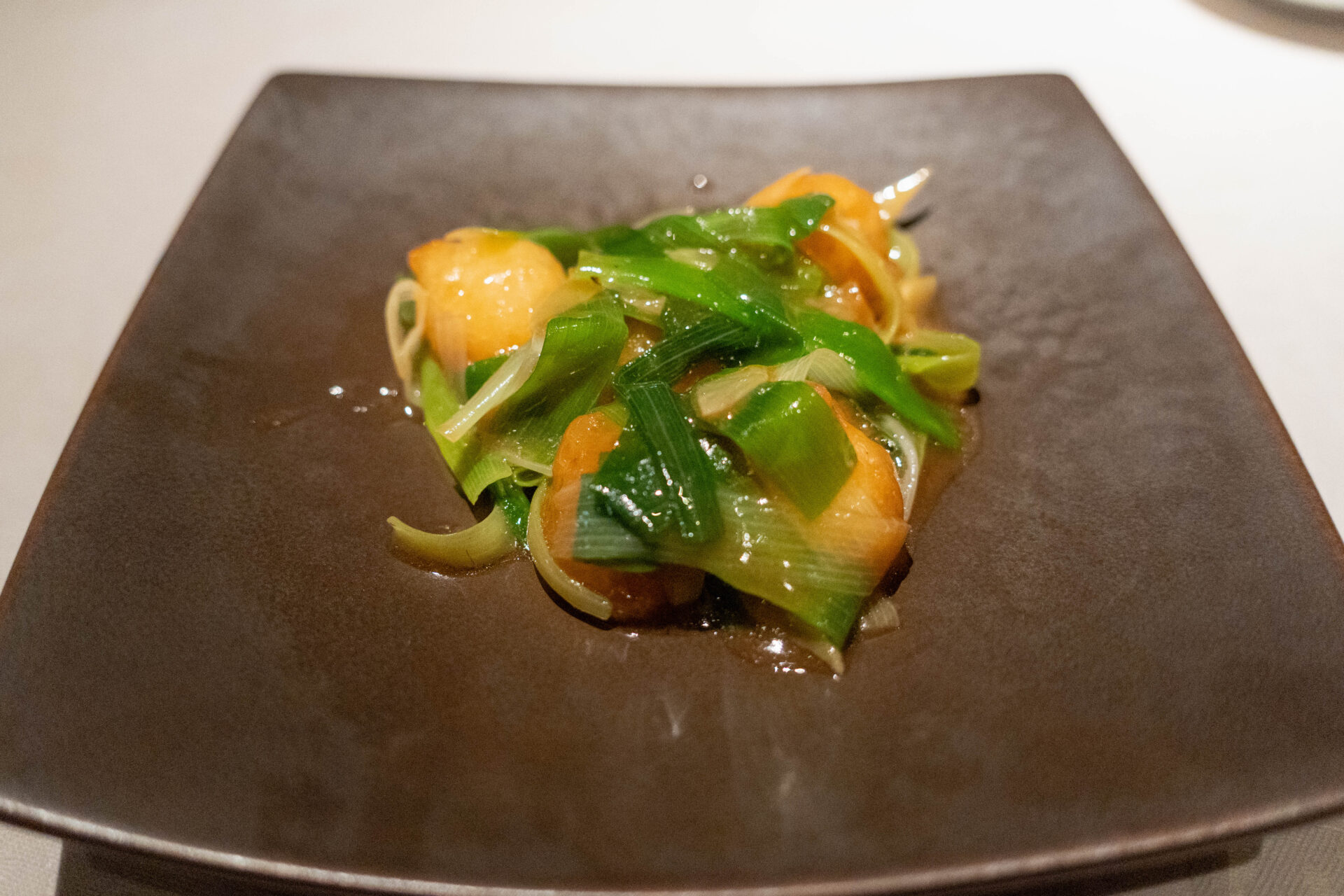
Large prawns are paired generously with Kujo scallions and finished in a ginger sauce.
The translucent sauce gently envelops everything, releasing the aroma of scallion and ginger.
The prawns are firm yet tender, releasing sweetness and umami instantly.
The Kujo scallions are cooked to a melt-in-the-mouth softness, serving as both an aromatic accent and a substantial ingredient.
The ginger-scented sauce ties all the elements together without heaviness, leaving a clean finish.
A deceptively simple yet technically refined warm dish for the middle of the course.
Seasonal Vegetables – Water Spinach with Fermented Bean Curd Sauce
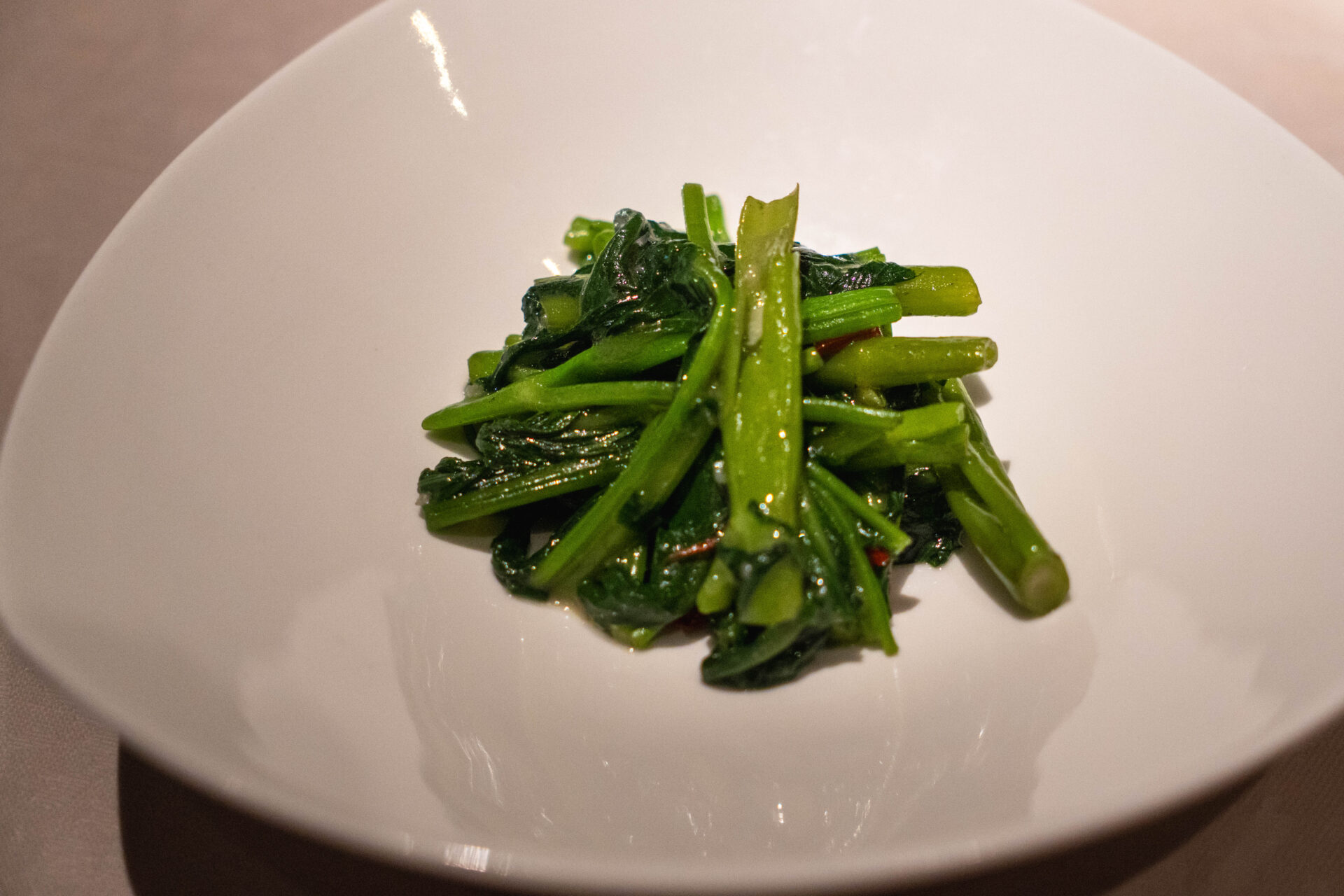
The vegetable dish featured water spinach, perfect for summer.
Its crisp stalks contrast pleasantly with the tender leaves, highlighting the vegetable’s natural freshness.
Seasoned with fermented bean curd sauce, a Chinese fermented condiment, it offers a gentle depth of flavor without overpowering, supporting the water spinach as the star ingredient.
Though a simple stir-fry, the timing of cutting, cooking, and seasoning was flawless—a quiet accent in the course.
Jade Fried Rice with Rock Seaweed
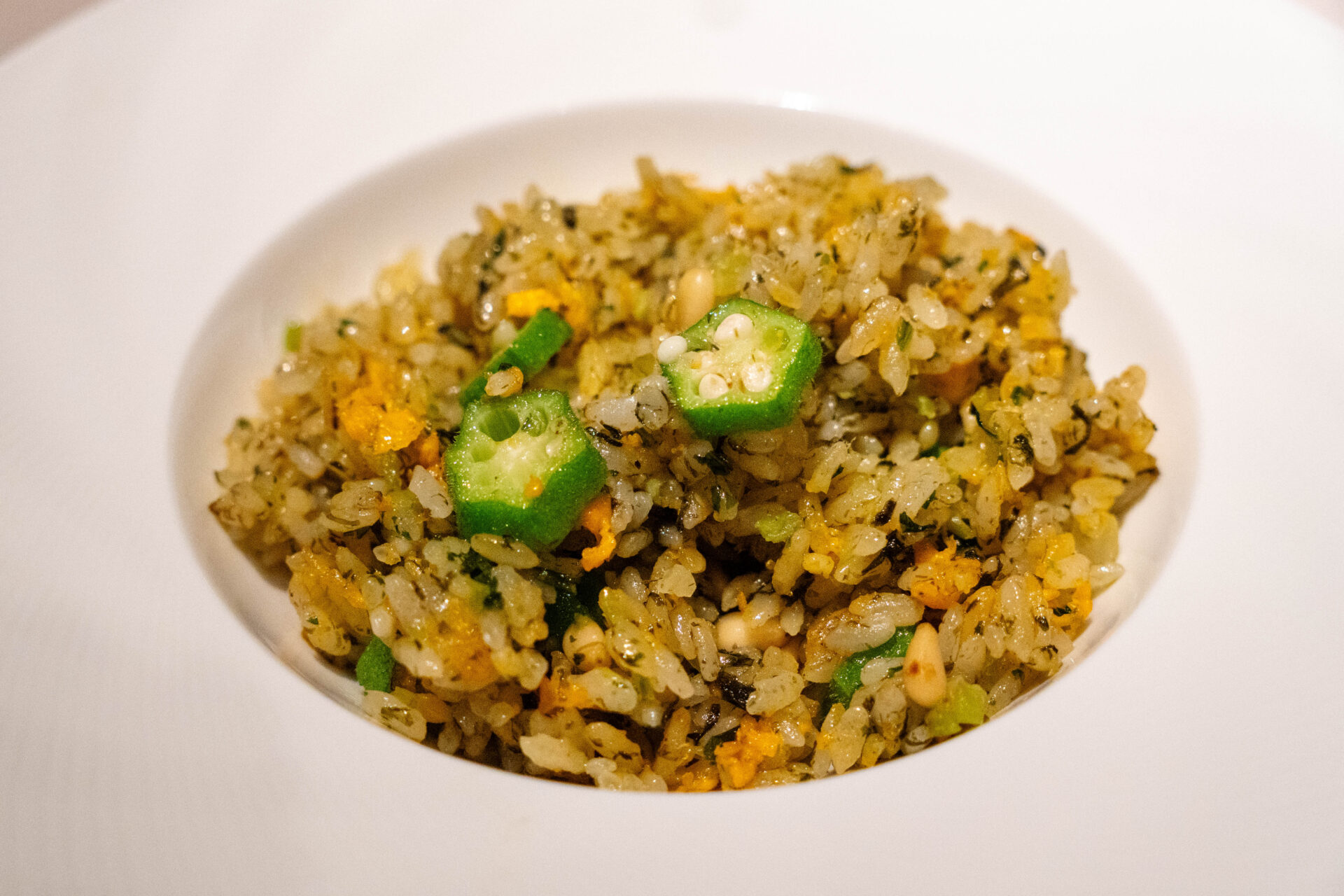
The rice course was Jade Fried Rice with Rock Seaweed.
Its faint green hue was refreshing, with an elegant plating.
The aroma of rock seaweed enveloped the rice, offering a gentle umami with restrained saltiness.
Toasted pine nuts and the sticky texture of okra added texture and depth, keeping the dish from becoming monotonous.
A carefully designed finale in terms of aroma, texture, and temperature.
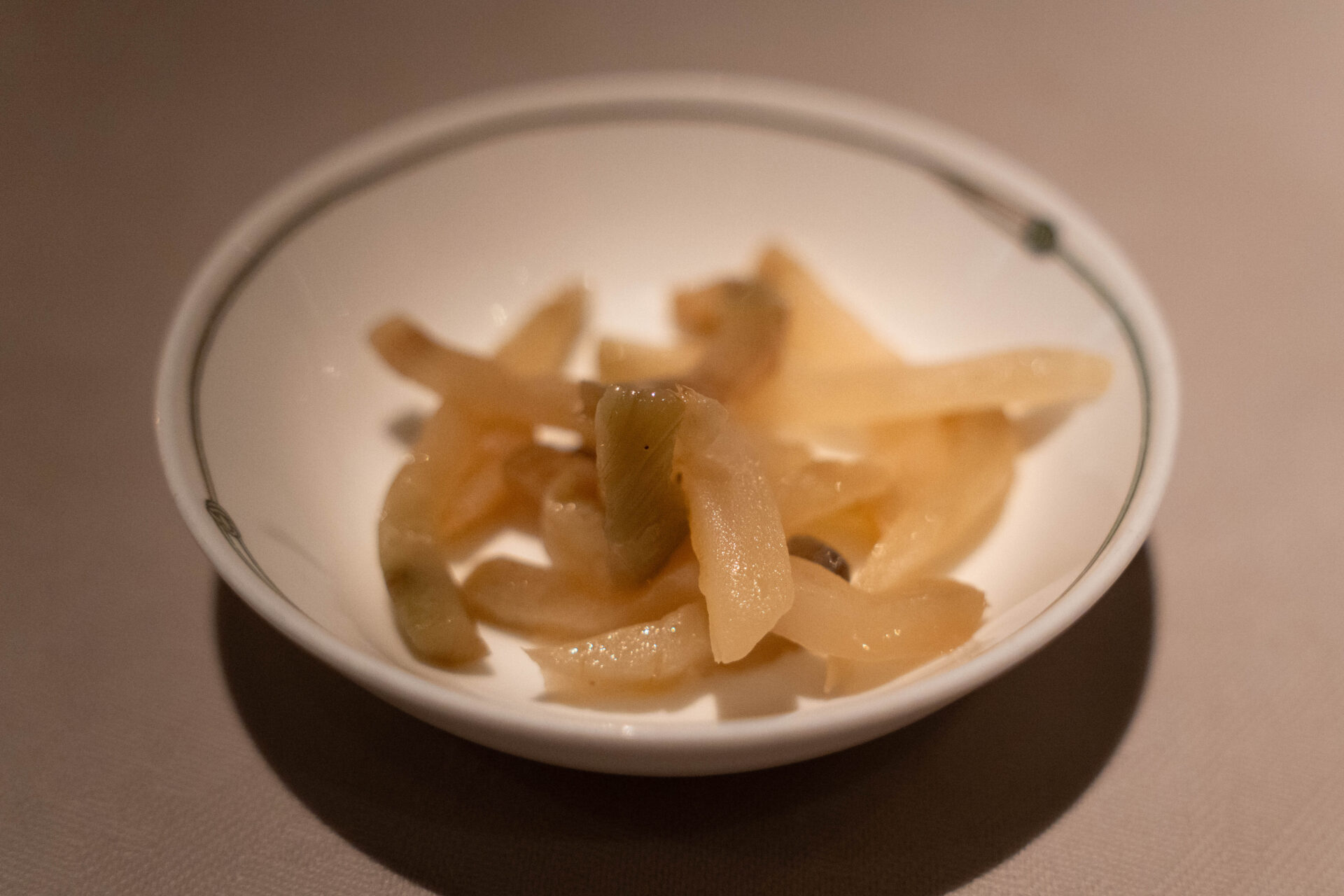
Served with pickled mustard greens, it concluded the course with a satisfying finish.
Dessert & Finale
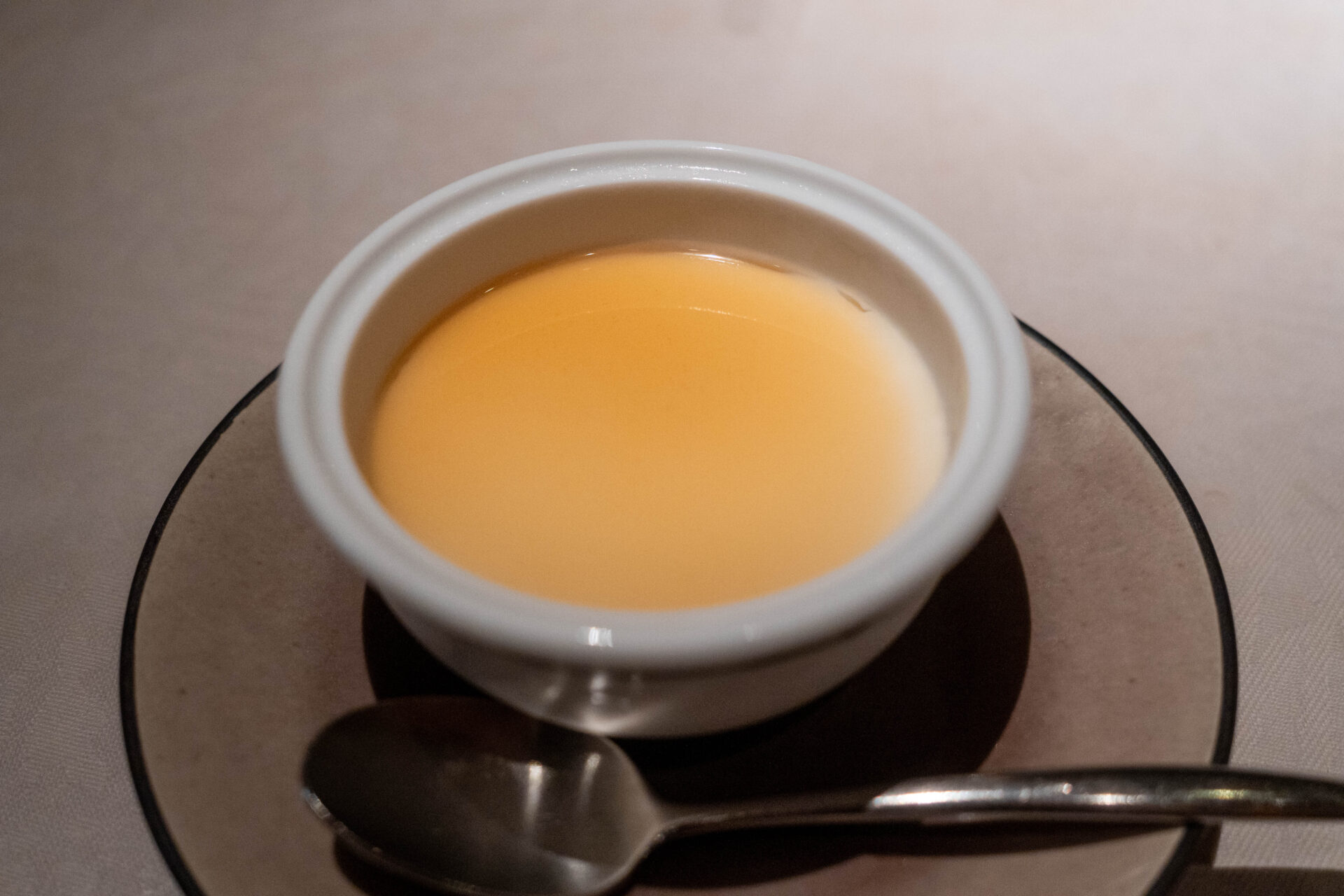
Brown Sugar Pudding with Oolong Tea Syrup
The final course was house-made pudding crafted by the dim sum chefs.
It used katan-to (Chinese black sugar made from sugarcane) as the base, topped with Oolong tea syrup.
The pudding was smooth and dense, with the natural sweetness of the sugar followed by the mild bitterness and roasted aroma of Oolong tea.
It was perfectly balanced to suit the lingering notes of the meal.
A dessert showcasing both Chinese technique and the quality of its ingredients—an ideal conclusion to the course.
Summary & Impressions
Each dish was precisely cooked and thoughtfully composed, bringing out the best of the ingredients and Chinese culinary skill.
From the interplay of aromas and textures to the well-timed lighter moments like soups and vegetable dishes, there was a consistent aesthetic of “restraint”.
The dim sum was exceptional, as expected from a restaurant with a dedicated dim sum kitchen, and the Peking Duck lived up to its reputation.
From the Jade Fried Rice to the Oolong-scented pudding, the course maintained its high standard to the very end.
Most memorable of all was the staff’s graceful movements and service quality.
Their awareness of eye contact, the handling of tableware, and the pacing of service were perfectly orchestrated, yet warm and natural.
With the precision of the dishes, the calm of the space, and the graciousness of the people, this is truly a place you can recommend with confidence.
Reservation & Access Information
How to Reserve
- By Phone: Call 03-5561-7788.
- Online Reservations: Available through the following:
- TableCheck: Online reservations are for dining tables only. For parties of 7 or more, or for private rooms, contact the restaurant directly.
Access
- Address: 3-7-5 Higashi-Azabu, Minato-ku, Tokyo
- Nearest Stations:
- Tokyo Metro Namboku Line “Azabu-Juban Station,” Exit 3, 2–3 minutes on foot
- Toei Oedo Line “Azabu-Juban Station,” Exit 6, 1–2 minutes on foot
- Toei Oedo Line “Akabanebashi Station,” about 8 minutes on foot
- Parking: Underground parking behind the building, partnered with Times Parking, 12 spaces, free for up to 3 hours.
Business Hours
- Lunch: 11:30–15:00 (Last order 14:00)
- Dinner: 17:30–22:00 (Last order 21:30 / Last entry 21:00)
- Closed: Generally open year-round except during New Year holidays.
Official Instagram Accounts (as of Aug 2025)
- Kitchen Official Account: fureika_kitchen
- Dim Sum Team Official Account: fureika_tenshin
Reservation Tips & Notes
1. Ordering Peking Duck
- Usually served for two or more people, but can be arranged for one person (two pieces) for an additional fee. Request this when booking.
- Peking Duck is popular and may sell out on weekends or at dinner. To ensure availability, reserve it in advance.
2. Private Rooms & Large Parties
- For 7 or more guests or private rooms, online booking is not available—call directly.
- Private rooms are limited; for weekends or lunchtime, book 2–3 weeks in advance.
3. Seat Requests
- Online booking is for dining tables only. If you wish to request a specific floor (1F = Shanghai cuisine, 2F = Cantonese cuisine), call to confirm.
4. Allergies & Ingredient Changes
- The restaurant is flexible with advance notice, but significant changes to the course may require extra time or fees.
5. Cancellation Policy
- Cancellations after the day before incur a cancellation fee (amount depends on course and party size).
- Even for seat-only reservations, the same policy applies—make changes early.
6. Parking
- Free 3-hour parking in the underground lot (partnered). Present your parking ticket at booking or on arrival.
- TAGS